New Forklifts for Sale: What to Know Before You Buy
Buying a new forklift involves more than finding the right price. Capacity, fuel type, warranty terms, and lead times all affect long-term value. Understanding how these factors interact, and how they compare to a quality used alternative, is what separates a well-informed decision from a costly one.
New Forklifts for Sale Everything You Need to Know
A new forklift purchase feels straightforward until you actually start comparing options. Capacity ratings vary, fuel types come with different tradeoffs, warranty terms aren’t as standardized as buyers assume, and lead times can shift a purchase timeline by weeks depending on what’s actually in demand. Buying a new forklift for sale means working through all of these factors before signing anything, not just picking based on the first quote that comes in.
Here’s what actually matters when evaluating a new forklift purchase.
Start With Capacity, Not the Sales Sheet
Lift capacity is one of the biggest factors separating one forklift from another, and it’s also one of the easiest to get wrong by either overbuying or underbuying relative to actual need.
Buying more capacity than your operation requires adds cost without adding real value, since higher-capacity units carry stronger frames, larger engines or motors, and more robust hydraulic systems throughout, all of which raise the price. Buying too little capacity creates a genuine safety issue and limits what the equipment can actually do on your floor.
The right approach is matching capacity to your typical, real-world load weight, not the heaviest load you might occasionally handle. A forklift rated well above your normal working load is paying for capability you’ll rarely use.
Fuel Type Shapes Both Purchase Price and Ongoing Cost
Electric, propane, and diesel forklifts come with meaningfully different cost structures, both at purchase and over the life of the equipment.
Electric forklifts typically carry a higher upfront cost, driven largely by battery and charging system expense, but offer lower ongoing fuel costs and reduced routine maintenance compared to combustion models. Propane forklifts generally sit in the middle on purchase price, with fuel costs that fluctuate with market pricing. Diesel forklifts often have the lowest upfront cost among the three but higher maintenance needs and fuel costs over time, particularly in heavy-duty applications.
The right fuel type depends heavily on your specific use case. Indoor warehouse operations often favor electric for lower emissions and quieter operation. Outdoor or heavy-duty applications frequently lean toward propane or diesel for power and fast refueling. This decision affects total cost of ownership as much as it affects the number on the purchase agreement.
Warranty Terms Deserve a Careful Read
New equipment warranties sound similar across manufacturers until you actually compare the fine print. Coverage length, what’s included, and how claims get processed vary more than most buyers expect going in.
A few specifics worth confirming before purchase:
-
Whether the warranty covers parts only, or parts and labor together
-
The exact coverage period, and whether it’s based on time, operating hours, or both
-
Whether routine maintenance must be performed by an authorized dealer to keep coverage valid
-
What specifically voids the warranty
A dealer who explains these terms clearly, without rushing past the topic, is generally more trustworthy than one who glosses over the details. Warranty disputes get resolved a lot faster when the terms were understood and documented from the start.
Lead Times Vary More Than Buyers Expect
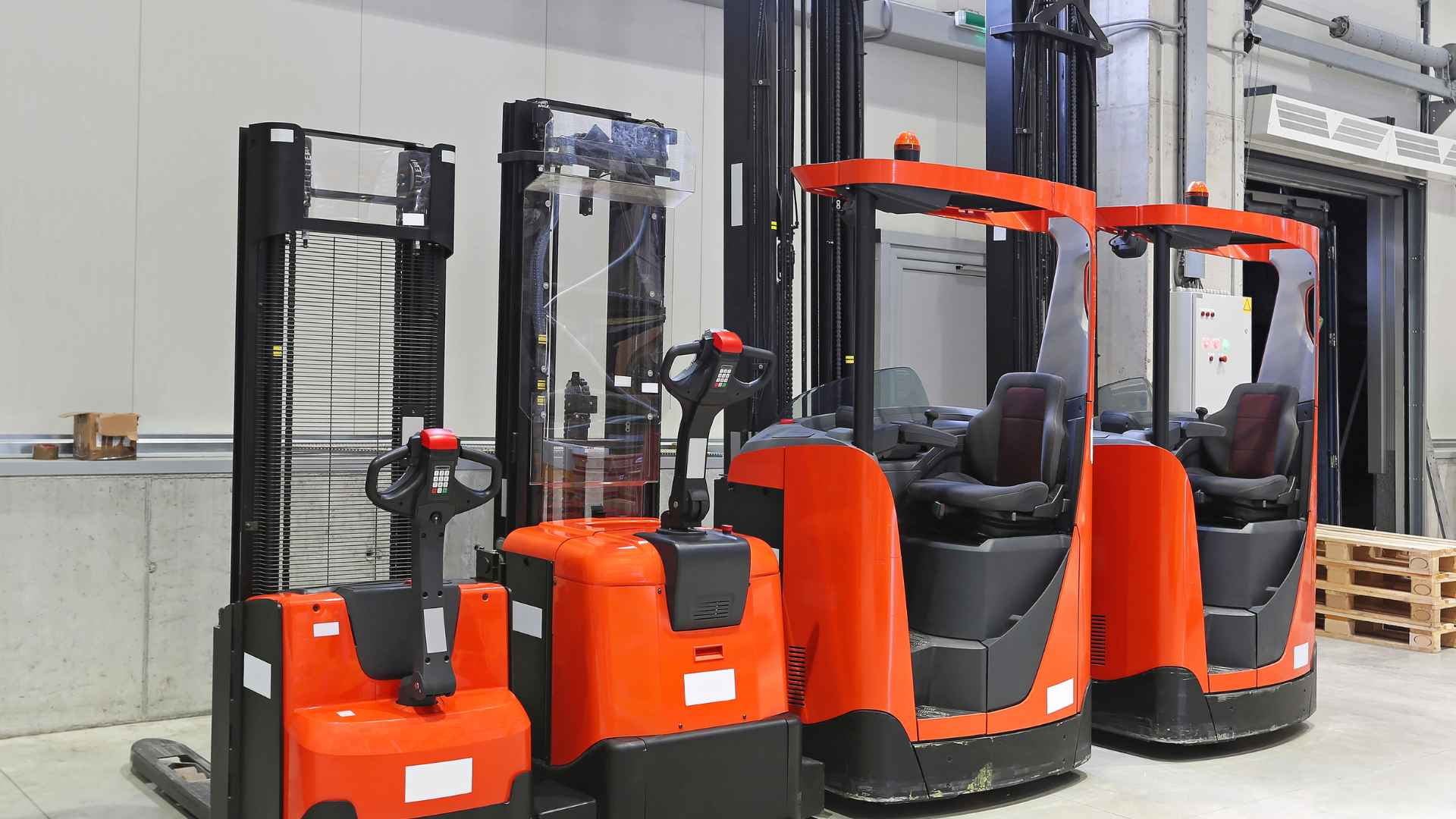
New forklift lead times depend on the specific model, configuration, and current manufacturer demand, and they can shift significantly depending on market conditions. A standard configuration in a popular model might ship within a few weeks. A specialty configuration, unusual attachment setup, or a model facing high industry-wide demand can push lead times out to several months.
A few factors that commonly extend lead time:
- Non-standard capacity or configuration requests
- Specialty attachments requiring custom manufacturing
- Supply chain constraints affecting a specific manufacturer
- High seasonal demand across the industry
Asking directly about current lead times for the specific configuration you want, rather than assuming a general industry average applies, prevents a surprise delay from disrupting a planned equipment timeline.
Total Cost of Ownership vs. Used Equipment
New equipment costs more upfront than used, sometimes two to three times as much depending on the make, model, and configuration. That difference is real, but it’s not the whole comparison.
New equipment comes with a full remaining lifespan, current technology, and manufacturer warranty coverage from day one, which reduces the uncertainty that comes with a used purchase. Used equipment lowers the upfront cost substantially, but the real value depends entirely on condition, operating hours, and maintenance history, not just the asking price.
A cheaper used unit with a spotty maintenance record and high operating hours can end up costing more over its remaining lifespan than a new purchase once repair frequency and a shorter working life are factored in. Our used forklifts for sale page covers what to evaluate specifically when considering a used purchase as an alternative to buying new, including inspection points and service history factors that directly affect real value.
Our broader breakdown of what actually drives forklift cost covers how capacity, fuel type, attachments, and condition combine to shape total price across both new and used options, which is worth reviewing before finalizing either direction.
When New Makes More Sense Than Continuing to Repair
For businesses currently running older equipment, the new-purchase decision sometimes isn’t about comparing new versus used. It’s about comparing a new purchase against continuing to repair aging equipment that’s becoming less reliable.
Our guide on when to replace a forklift instead of repairing it covers the signals that suggest continued repair is no longer the financially sound choice, including rising repair frequency, growing downtime, and harder-to-source parts on older models. For operations hitting that point, a new forklift purchase often ends up costing less over the following few years than continuing to pour money into an aging, increasingly unreliable unit.
What to Confirm Before Placing an Order
A little diligence upfront saves a lot of frustration once an order is placed. A few things worth nailing down before committing:
-
Confirmed capacity, fuel type, and any required attachments in writing
-
A realistic lead time estimate specific to your configuration, not a general average
-
Full warranty terms, including what’s covered and what could void coverage
-
Financing terms if applicable, including interest rate and total cost across the full loan term
-
What ongoing service and support looks like after the sale closes
A dealer with clear, specific answers to all of these is generally one worth trusting with a significant equipment purchase. Vague or evasive answers on any of these points are worth a second look before signing anything.
Making the Right Call
Buying a new forklift comes down to matching capacity and fuel type to your actual operation, understanding what the warranty really covers, planning around a realistic lead time, and weighing the total cost against what a well-maintained used alternative might offer instead.
A conversation with JTS Forklift Service is a reasonable next step for businesses ready to evaluate new equipment options, whether you’ve already decided new is the right direction or you’re still weighing it against a used purchase or continued repair of existing equipment. Getting the comparison right before signing saves far more than it costs to ask the right questions upfront.
Join the JTS Forklift Service Community
JTS Forklift Service recognizes the importance of forklift maintenance for the efficiency and safety of your warehouse operations. You can rely on our skilled technicians to provide comprehensive maintenance services, ensuring your material handling equipment is in expert hands. We are committed to client satisfaction and have earned a reputation as the top choice for maintenance and repair services in Utah. Our track record of success stories, from small businesses to large warehouses, speaks volumes about the quality of our services.
Don’t wait until a minor issue becomes a major problem. Contact JTS Forklift Service today and discover the difference for yourself. Visit our website to explore the range of services we offer. Let’s work together to keep your equipment running smoothly and your business thriving.
Latest Blogs
Explore our past blog posts covering topics like forklift maintenance, electric forklifts, and more! We keep it fresh with insightful content to assist businesses in excelling in material handling operations.
Forklift Leasing: Is It Right for Your Business?
Buying a forklift isn't always the right move, even for a business that needs one running every day. Forklift leasing offers a different path, one that trades ownership for flexibility, and for the right situation, that tradeoff makes a lot more financial sense than a...
Forklift Batteries for Sale: Lead Acid and Lithium Options
A forklift battery isn't a single product with different price points attached. Lead acid and lithium batteries work on fundamentally different technology, and that difference shapes everything from upfront cost to daily charging routine to how long the battery...
Forklift Forks for Sale: Sizing, Types, and Replacement Guide
Forks look like the simplest part on a forklift, and that assumption causes more mismatched orders than almost any other component. Forklift forks for sale come in specific sizes, class ratings, and mounting styles, and getting any one of those wrong means a fork that...
“Customer Satisfaction is Our Number One Priority.”
Julius A.
Contact Us
Serving All of Utah
24/7 Availability