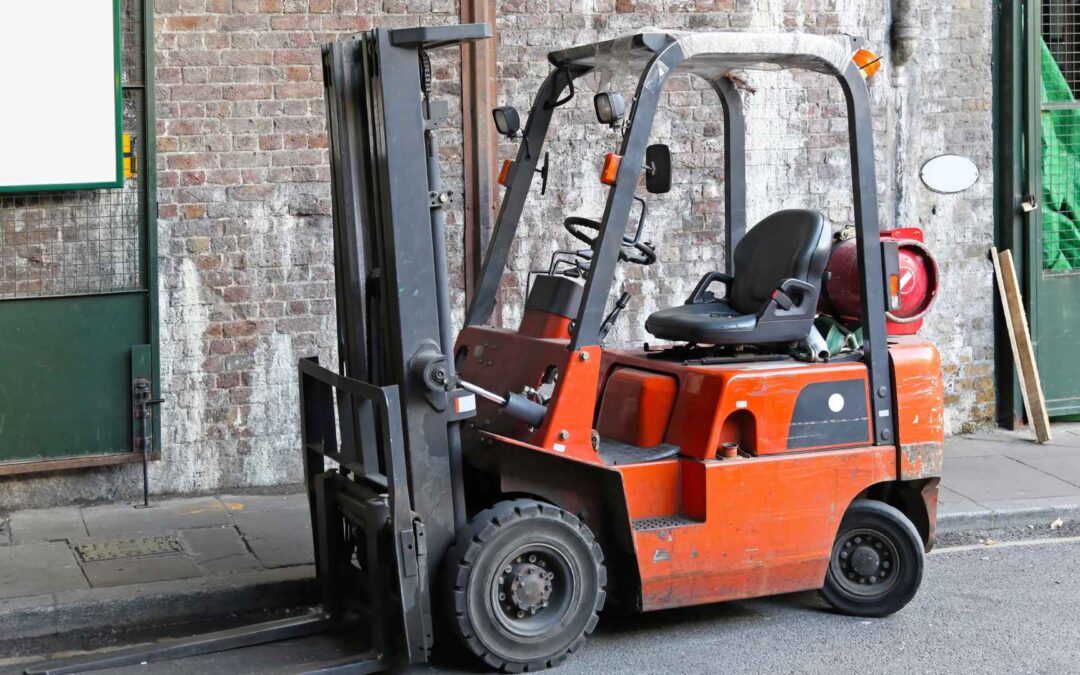
A used forklift can look completely fine from ten feet away and still be carrying problems that turn into a major repair bill within weeks. The gap between “looks good” and “actually good” only shows up under a real inspection, not a quick walkaround and a test drive. This used forklift inspection checklist covers what to check before buying used forklifts in Arizona, system by system, so nothing important gets missed.
Forks
Forks wear from the bottom over time, and that wear is easy to miss without measuring it directly. Once wear exceeds roughly 10 percent of original thickness, the forks need replacement, since a worn fork can fail under load.
Check for cracks, bending, or uneven wear between the two forks. Mismatched wear often points to uneven loading habits from the previous owner, which can signal broader stress on the mast and hydraulic system as well.
Mast
The mast should move smoothly through its full range of motion, with no sticking, jerking, or uneven movement between the sections. Run it up and down slowly while watching and listening for anything that feels rough or inconsistent.
Sticking or uneven mast movement often points to a hydraulic or mechanical issue that goes beyond a simple fix, so any roughness here is worth taking seriously rather than dismissing as normal wear.
Chains
Chains carry real safety implications, since a stretched or corroded chain reduces lift capacity and raises the risk of sudden failure under load. Check for visible corrosion, proper lubrication, and any signs of stretching or uneven wear between chain links.
A chain that looks dry or shows rust spots suggests inconsistent maintenance, which is worth factoring into your overall assessment of how well the unit was cared for.
Hydraulic System
Hydraulic issues are one of the most common and most expensive problems on a used forklift, which makes this system worth extra attention during inspection. Check fluid condition, looking for anything darker than expected or with a burnt smell, both signs of heat-related breakdown that’s common on units that have worked through Arizona summers.
Look closely at all hoses and seals for visible leaks or staining underneath the unit. Test lift responsiveness under an actual load if possible, not just an empty lift, since a hydraulic system can seem fine unloaded while struggling noticeably once real weight is added.
Tires
Tire wear is easy to underestimate at a glance, particularly with solid tires that can look reasonable on the surface while sitting much closer to replacement than they appear. Check tread depth and look for uneven wear patterns, which can also point to alignment issues elsewhere on the unit.
Factor tire replacement cost into your overall purchase evaluation if wear looks advanced, since this is an expense that shows up quickly after purchase if it’s not accounted for upfront.
Brakes
Test full stopping performance, not just whether the pedal has resistance. Brakes that feel soft, require excessive pedal travel, or pull to one side during a stop are signaling a problem that needs addressing before the equipment goes into regular service.
Brake issues that seem minor during a light test can become serious once the forklift is running under an actual working load, which makes a thorough brake test one of the more important safety checks in the entire inspection.
Steering
Steering should feel responsive and consistent, without excessive play, resistance, or unusual noise during turns. Test steering at both low and higher speeds if the environment allows, since some steering issues only become noticeable at certain speeds.
Excessive steering play can point to worn components in the steering system that need addressing before the unit is put into regular use.
Leaks
Beyond the hydraulic system specifically, check underneath the entire unit for any signs of fluid leaks, whether hydraulic fluid, engine oil, coolant, or transmission fluid. Fresh staining on the ground beneath the unit is one of the clearest and most direct signs of a developing problem.
A seller who’s cleaned the unit thoroughly before showing it can make leaks harder to spot at a glance, which is another reason a hands-on inspection matters more than a visual walkaround from a few feet away.
Electrical or Engine Systems
For electric units, check the motor and controller for unusual noise or performance issues during operation. For propane and diesel units, listen for unusual engine noise, check for smoke during startup and operation, and inspect belts and visible engine components for wear.
Engine or drivetrain issues are among the more expensive problems to inherit on a used purchase, which makes this system worth a closer look than a quick listen while the unit idles.
Battery Condition
For electric forklifts specifically, battery condition often matters more to overall value than the total hour count on the unit. A battery that’s lost significant capacity may need replacement soon after purchase, adding a substantial cost on top of the purchase price.
Ask for a battery capacity test rather than relying on a visual inspection or a general assurance that it “still holds a charge fine.” Arizona heat accelerates battery degradation specifically, which makes this check more important here than it would be for the same used unit purchased in a cooler climate.
Operating Hours
Operating hours tell a more accurate story than the model year alone. Most forklifts are built to reach somewhere around ten to twelve thousand operating hours with proper maintenance before major components start failing. A unit already sitting near that range needs a closer look at hydraulics, transmission, and engine condition regardless of how good the exterior looks.
Always cross-check the hour meter reading against available service records. A meter that doesn’t line up with the maintenance history, or shows signs of tampering, is a serious red flag worth walking away from.
Service Records
A forklift’s service history tells you more about its real condition than its appearance or the number on the price tag. A unit with documented, consistent maintenance has a much better chance of running reliably going forward. A unit with no records, or significant gaps, is a bigger unknown than most buyers realize.
Ask specifically for dated maintenance logs, not just a general assurance the equipment has been well cared for. Gaps in service history aren’t automatic dealbreakers, but they raise the stakes on every other part of this inspection.
Test Operation
A quick spin around an empty lot tells you very little. A proper test should include lifting an actual load, if one is available, running the mast through its full range, testing brakes under real stopping conditions, and listening for any unusual noise throughout the test rather than just checking that the unit starts and moves.
Why Arizona Conditions Raise the Stakes on Every Check
Arizona heat and dust accelerate wear on nearly every system covered in this checklist, which means a used forklift that spent its working life here has likely aged faster, mechanically, than the same hour count and model year would suggest in a cooler climate. Rubber seals and hoses harden faster under sustained heat and UV exposure. Hydraulic fluid breaks down faster at elevated operating temperatures, accelerating wear on pumps and valves.
Our page on preventive maintenance strategies built for Arizona conditions covers how climate-specific wear differs from a standard national checklist, which is worth understanding before evaluating any used unit that’s spent its hours working in Arizona conditions specifically.
Why a Professional Inspection Matters
A checklist like this one gives you a strong starting point, but a trained technician catches details that a general walkthrough often misses, subtle roughness in mast movement, early signs of hydraulic wear that haven’t become visible leaks yet, or engine issues that only show up under a real diagnostic check.
Our forklift repair services in Arizona team can perform an independent pre-purchase inspection before you commit to a used unit, giving you a clear, honest picture beyond what a seller’s word or a quick test drive can tell you. Our full guide to forklift maintenance in Arizona also covers how climate-specific factors should shape both ongoing care and used equipment evaluation across the state.
Making a Confident Purchase Decision
Buying used forklifts in Arizona can be a smart, budget-friendly move, but only when the inspection goes deep enough to catch what a surface-level look would miss. Checking every system covered here, and backing it up with a professional inspection before committing, is what separates a smart used purchase from an expensive lesson learned after the sale closes.
A conversation with JTS Forklift Service before your next purchase gives you an independent, professional assessment of a specific unit’s real condition. Our forklift service and repair team can also set up a maintenance plan once the purchase is complete, so the equipment you’ve carefully inspected stays reliable for years rather than months.