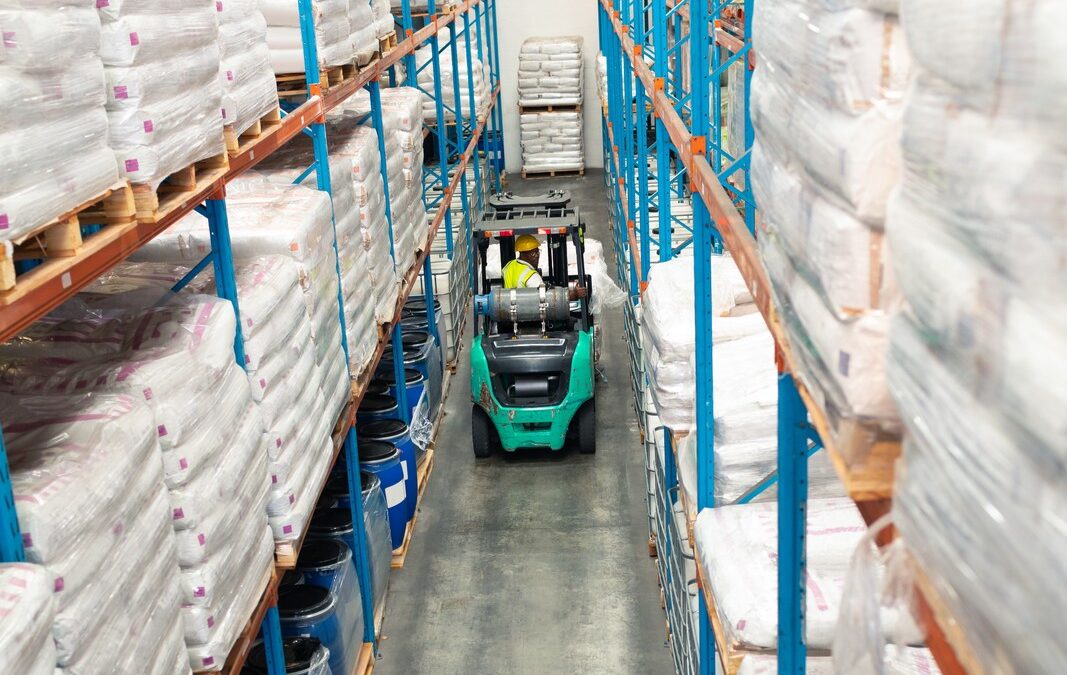
As a warehouse manager in Arizona, you oversee an environment where operational efficiency is paramount. From the logistics hubs in Tolleson and Goodyear to the distribution centers in Tempe and Avondale, your forklift fleet is the engine that drives productivity. However, the unique challenges of the Arizona climate—intense heat, pervasive dust, and demanding usage patterns—can significantly accelerate equipment wear and tear. Understanding these factors is the first step toward protecting your assets, minimizing downtime, and ensuring a safe, productive workplace.
Ignoring the subtle signs of wear can lead to catastrophic failures, unplanned downtime, and costly emergency repairs. A proactive approach to maintenance is not just best practice; it is a fundamental strategy for operational success. At JTS Forklift Service, we partner with businesses to extend equipment life and maintain peak performance. This guide breaks down the common causes of forklift wear and tear in Arizona and provides actionable tips to keep your operations moving smoothly.
Key Forklift Components at Risk in the Arizona Climate
The desert environment is unforgiving on heavy machinery. The combination of high ambient temperatures and fine, abrasive dust creates a uniquely harsh operating environment. Here are the components most susceptible to accelerated wear.
Tires
Forklift tires are your first point of contact with warehouse floors, which are often coated in a fine layer of dust and debris. This grit acts like sandpaper, speeding up tread wear. Extreme heat also causes rubber compounds to break down faster, leading to cracking and reduced elasticity. Worn tires compromise stability, reduce traction, and increase the risk of accidents.
Brakes
Brake systems rely on friction to stop a multi-ton machine, generating significant heat in the process. When combined with Arizona’s high ambient temperatures, brake components can overheat, leading to brake fade and premature wear of pads and drums. Dust can also contaminate brake fluid and foul mechanical components, reducing stopping power and posing a serious safety hazard.
Hydraulic Systems
Hydraulics power the most critical functions of a forklift, including lifting and steering. The system is highly sensitive to contamination. Airborne dust can easily infiltrate hydraulic fluid through worn seals, causing abrasive wear on pumps, valves, and cylinders. Heat degrades the fluid’s viscosity, reducing its ability to lubricate and cool, which can lead to sluggish performance and system failure.
Forks and Mast
While incredibly durable, the forks and mast assembly are not immune to wear. Constant loading and unloading cycles, especially with improper technique, can cause forks to bend, crack, or wear thin. The chains and rollers within the mast assembly are also vulnerable to dust accumulation, which can hinder smooth operation and lead to stretching or binding if not properly lubricated.
Electrical Systems
For both internal combustion and electric forklifts, the electrical system is highly vulnerable to heat and dust. High temperatures can degrade wire insulation, leading to short circuits and sensor failures. Dust can accumulate on electrical contacts, causing poor connections or trapping heat around sensitive components. For electric models, batteries are particularly at risk, as extreme heat reduces their lifespan and overall capacity.
Proactive Strategies to Combat Wear and Tear
A reactive approach to maintenance—fixing things only when they break—is a recipe for lost productivity. Adopting a preventive mindset is the most effective way to manage your fleet and control costs.
1. Implement Daily Pre-Shift Inspections
Empower your operators to be the first line of defense. A thorough pre-shift inspection can catch minor issues before they escalate. This routine should include checking:
- Tire pressure and condition.
- Brake performance and fluid levels.
- Hydraulic fluid levels and signs of leaks.
- Fork condition, looking for cracks or bending.
- Battery charge and connections.
- All lights, horns, and alarms.
2. Create a Routine Service Schedule
Beyond daily checks, a structured professional maintenance schedule is crucial. Partnering with a service provider to create a routine plan ensures that your equipment receives expert attention at regular intervals. A typical schedule should involve quarterly or semi-annual service that includes in-depth diagnostics, fluid changes, filter replacements, and lubrication of all moving parts. This is the most effective way to manage the unique demands of forklift maintenance in Arizona.
3. Know When to Repair vs. Replace
Understanding the lifecycle of key components helps in making cost-effective decisions.
- Repair: Components like hydraulic hoses, minor electrical faults, or brake pads are often straightforward repairs. Addressing these issues promptly prevents them from causing damage to more expensive parts of the system.
- Replace: Components with critical structural integrity, such as cracked forks or a stretched mast chain, should always be replaced. The same applies to tires worn past their safety indicators or batteries that can no longer hold a sufficient charge. Attempting to repair these items compromises safety and often costs more in the long run.
4. Choose a Reliable Forklift Maintenance Partner
Your choice of a service partner is one of the most important decisions you will make. Look for a provider that offers:
- Mobile Forklift Service: Downtime is the enemy of warehouse productivity. A partner with a responsive mobile service can dispatch a technician directly to your facility, minimizing the time your equipment is out of commission.
- Local Expertise: A provider familiar with the Arizona business landscape understands the specific challenges you face and can offer tailored solutions.
- Comprehensive Capabilities: Your partner should be equipped to service all types of forklifts—electric, propane, and CNG—as well as other warehouse equipment.
Keep Your Warehouse Moving with JTS Forklift Service
In a fast-paced warehouse environment, you cannot afford to let equipment failures dictate your workflow. By understanding the risks posed by Arizona’s climate and implementing a proactive maintenance strategy, you can protect your investments and ensure your operations remain efficient and safe.
JTS Forklift Service is committed to being your trusted partner in equipment management. Our team of expert technicians is ready to provide reliable, on-site maintenance and repairs to keep your fleet in peak condition.
Don’t wait for a breakdown to disrupt your operations. Contact us today to schedule a comprehensive forklift inspection or to discuss a customized maintenance plan for your facility.
GET IN TOUCH WITH JTS FORKLIFT SERVICE