
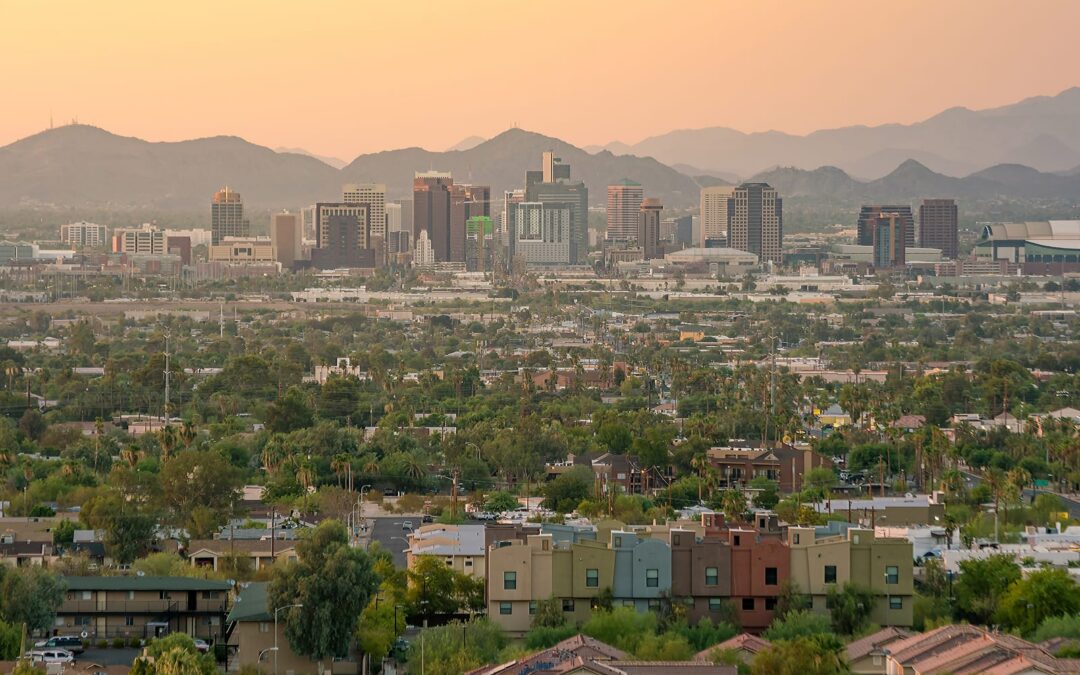
Operating material handling equipment in the desert requires careful planning. The extreme environment heavily impacts equipment reliability, longevity, and overall facility safety. To protect your fleet and maintain productivity, you must prioritize Arizona heat forklift maintenance well before temperatures peak.
The Phoenix metro area presents unique environmental hurdles for supply chains and distribution centers. Daily highs frequently exceed 110 degrees, creating intense thermal stress on industrial machinery that operates around the clock. Airborne dust and abrasive debris further complicate the performance of engines, hydraulics, and sensitive electronics.
At JTS Forklift Service, we understand that material handling equipment plays a critical role in your daily operations. We provide reliable maintenance and repair services to keep your facility running safely. This guide outlines practical strategies for managing your fleet in harsh desert conditions.
Why Arizona Heat & Dust Impact Forklift Performance
Desert climates create a perfect storm for rapid mechanical wear and tear. Facilities deal with extreme ambient temperatures, thick airborne dust, and abrasive debris on a daily basis. These harsh elements directly compromise fluid viscosity, electrical connections, and critical filtration systems across your entire fleet.
Long exposure to outdoor conditions further accelerates material degradation. Rubber seals dry out rapidly, hydraulic hoses turn brittle, and cooling systems quickly become overwhelmed by the heat load. This thermal stress drastically shortens the lifespan of unprotected forklift components, leading to frequent and costly breakdowns.
Warehouses operating across Phoenix, Mesa, Chandler, Glendale, and Tempe face these brutal realities for more than half the year. Managing fleets across these diverse urban environments requires a standardized, proactive approach to equipment care. Our Arizona operations support facilities throughout the region, helping operations leaders build resilient, desert-specific maintenance routines.
Key Desert Challenges for Forklift Systems
Heat Stress & Engine/System Performance
Internal combustion engines struggle significantly when ambient temperatures soar during the summer months. The extreme heat limits the engine’s ability to dissipate its operating temperatures effectively. This creates a severe overheating risk, putting immense strain on the engine block, head gaskets, and internal drivetrain components.
Reduced efficiency is a common and costly symptom of intense thermal stress. Engines run hotter, consume more fuel, and deliver less overall lifting power during peak afternoon hours. High temperatures also cause standard engine oil to break down more quickly, depriving critical metal parts of vital lubrication.
To mitigate this engine strain, facilities should schedule heavy lifting tasks during the cooler morning shifts whenever possible. Implementing strict cool-down periods allows engines to shed excess heat before catastrophic internal damage occurs. Operators should also monitor temperature gauges continuously during high-intensity transport tasks.
Battery Degradation in High Heat
Electric forklifts are highly vulnerable to temperature spikes and require careful daily monitoring. High heat artificially accelerates the internal chemical reactions within expensive industrial batteries. This continuous acceleration severely shortens the battery’s overall operational lifespan and reduces its daily charge capacity.
Overheating during charging is another major concern for desert warehouses. Batteries generate internal heat during charging, and a hot warehouse environment exacerbates this issue significantly. Additionally, elevated ambient temperatures cause vital battery fluid to evaporate rapidly, exposing the lead plates to irreversible damage.
Operators must check battery water levels frequently during the intense summer months. Only add distilled water after the charging cycle is fully complete to prevent dangerous acid boil-overs. Proper Arizona heat forklift maintenance for electric units involves storing and charging all equipment in temperature-controlled areas to preserve battery health.
Dust Contamination & Filtration Issues
Airborne dust is a constant, unavoidable threat in dry desert environments. Fine particulates act as a relentless abrasive, grinding down moving parts and contaminating vital fluids. Clogged filters are the most frequent consequence of these dusty conditions, severely restricting airflow to the engine.
When air filters clog completely, engines suffocate and consume excess fuel to compensate for the lack of oxygen. Dust also infiltrates hydraulic reservoirs, turning clean fluid into a damaging, thick sludge. This severe contamination destroys internal pump components, scores cylinder rods, and over time ruins expensive mast seals.
Facilities must establish aggressive cleaning and inspection routines to combat dust intrusion. Operators should blow out air filters weekly with low-pressure compressed air and replace them far more frequently than in temperate climates. Keeping the engine bay free of accumulated dirt significantly reduces baseline operating temperatures.
Cooling Systems & Overheating Risks
Your forklift’s radiator carries the heaviest mechanical burden during the brutal summer season. The cooling system must work continuously to prevent the engine and transmission from failing under heavy loads. However, fine dust and loose warehouse debris can easily block radiator fins, resulting in severe airflow restrictions.
Restricted airflow prevents the internal coolant from shedding heat effectively, leading to rapid system failure. Operators must watch the dashboard temperature gauge closely throughout their entire shift. Warning signs of overheating include a steaming radiator, sluggish acceleration, or a distinct burning odor coming from the engine bay.
Keeping radiators completely clear of debris is essential to maintain a reliable cooling system. Maintenance teams should flush the coolant system annually before summer begins to ensure the fluid retains its maximum heat-absorbing properties. Check fan belts and water pumps regularly for signs of heat-induced cracking or premature failure.
Safety & Performance Risks in Desert Conditions
Brake Wear & Heat Exposure
High temperatures drastically impact standard braking systems on heavy industrial equipment. Heat causes internal brake components to expand, creating unwanted friction even when the operator is not pressing the pedal. This constant rubbing accelerates wear on brake shoes, drums, and internal springs.
As brake components overheat, they experience a dangerous phenomenon known as “brake fade.” This results in significantly reduced stopping performance, creating an immediate safety hazard on the busy warehouse floor. Operators might notice that the brake pedal feels soft, spongy, or requires much more physical force to engage.
Failing to address these warning signs often leads to preventable workplace collisions and dropped loads. Frequent, detailed brake inspections are a non-negotiable part of Arizona heat forklift maintenance. Technicians must check hydraulic brake fluid levels often, as extreme heat can lower the fluid’s boiling point and reduce system pressure.
Tire Pressure, Traction & Surface Conditions
Extreme heat directly alters the air pressure inside pneumatic forklift tires, creating distinct operational hazards. The internal air expands rapidly as temperatures rise, leading to dangerous overinflation during afternoon shifts. Over-inflated tires have a much smaller contact patch with the ground, severely reducing lateral equipment stability.
Hot asphalt and concrete surfaces also accelerate exterior tread wear at an alarming rate. Forklifts driving across scorching outdoor yards shed rubber far faster than those operating exclusively indoors. This rapid wear creates severe traction challenges, especially if the facility experiences a sudden, slick monsoon rain.
You must check tire pressure daily to ensure a safe, stable operating footprint for your equipment. Operators should inspect the tire sidewalls for heat-induced cracking and large chunks of rubber missing. Replacing degraded tires promptly prevents unexpected blowouts while carrying heavy, elevated pallets.
Indoor vs Outdoor Forklift Operations in Arizona
Where your equipment actually operates dictates your specific seasonal maintenance needs. Indoor operations usually benefit from controlled environments with much more stable temperatures. These units require standard preventive care but face fewer extreme thermal shocks and direct UV exposure.
Outdoor operations are constantly exposed to the sun and highly abrasive dust storms. Forklifts stationed in lumber yards, construction supply centers, or open-air loading docks take a heavy environmental beating. Moving equipment constantly from a 115-degree yard into a 75-degree cooled warehouse also creates severe internal condensation risks.
Outdoor fleets require much tighter service intervals to maintain basic operational reliability. Lubricants burn off faster in the sun, meaning mast chains and carriage rollers need frequent, heavy-duty greasing. You must adjust your maintenance schedule based solely on the specific environment in which the forklift operates during its shift.
Arizona Heat Forklift Maintenance Essentials
Building a dependable fleet requires a proactive mindset and a commitment to routine care. A structured seasonal maintenance program protects your capital investment from premature, heat-related failure. Focusing solely on reactive repairs results in costly downtime and severe workflow disruptions during peak shipping seasons.
Proper Arizona heat forklift maintenance centers entirely on operational consistency. Every equipment operator and maintenance technician must follow the exact same inspection protocols daily. This consistency across fleets ensures that small, heat-related anomalies are caught before they escalate into major mechanical faults.
Replacing worn hoses, tracking fluid degradation, and monitoring battery health should happen on a strict, predetermined schedule. Waiting for a component to fail in the desert heat is a costly and dangerous strategy. By establishing clear maintenance habits, you keep your operations running smoothly through the harshest summer months.
Arizona Forklift Maintenance Checklist
Implementing a structured checklist keeps your entire team accountable for daily equipment health. Use this scannable guide to prevent seasonal breakdowns, reduce repair costs, and protect your operators from preventable accidents.
Daily Checks:
- Inspect the battery condition and carefully verify water levels for all electric units.
- Look for visible dust buildup on the radiator fins and clear it immediately.
- Check the ground under the parked forklift for fresh hydraulic or engine fluid leaks.
- Test all dashboard warning lights, backup alarms, and the temperature gauge before lifting loads.
Weekly Checks:
- Inspect primary air filters and blow out accumulated desert dust with low-pressure air.
- Monitor cooling system performance and manually check the internal coolant reservoir level.
- Examine overall tire condition for heat cracking and verify proper air pressure levels.
- Wipe down hydraulic cylinder rods to prevent abrasive dust from destroying the rubber seals.
Monthly Checks:
- Evaluate hydraulic fluid condition and check for dark, thick, or contaminated oil.
- Inspect all high-pressure hoses and rubber seals for dangerous heat-induced dry rot.
- Perform a rigorous moving test to verify precise and responsive brake performance.
- Review your maintenance logs to identify recurring equipment issues.
When to Call a Professional for Forklift Issues
Your internal warehouse team can handle daily visual inspections and basic fluid checks effectively. However, complex mechanical problems require immediate professional intervention to ensure workplace safety. You should call a certified technician the moment a unit experiences severe overheating, engine stalling, or heavy exhaust smoke.
Repeated battery issues, such as failing to hold a charge or boiling over, also demand specialized diagnostic tools. If a forklift suffers hydraulic failures, such as a drifting mast or blown cylinder seals, remove it from service immediately. Unresponsive brakes, stiff steering, or loud grinding noises during operation are clear signals that professional help is urgently needed.
Attempting to fix complex industrial machinery without the proper training creates immense liability for your business. For comprehensive support, review our JTS’s professional forklift services to see how we safely manage complex industrial repairs. Expert technicians ensure that your equipment receives the correct high-temperature fluids and precise mechanical adjustments.
24/7 Mobile Support from JTS Forklift Service
Equipment breakdowns disrupt productivity, idle your workforce, and cost your business money. JTS Forklift Service provides reliable mobile maintenance to minimize costly interruptions. Our mobile technicians provide expert on-site diagnostics directly at your facility, saving you time and transport costs.
With this mobile approach, you get faster response times when your equipment fails during a busy operational shift. We focus on reduced downtime by bringing the necessary diagnostic tools and replacement parts right to your loading dock. Our desert-specific maintenance support targets the exact engine and hydraulic components most vulnerable to extreme heat and dust.
With professional mobile care, your Arizona heat forklift maintenance is predictable and stress-free. You can view our dedicated service areas to confirm coverage for your specific location. We encourage operations leaders to review our service capabilities through real customer feedback. Please read our verified Google reviews to see exactly how we help local businesses maintain safe, continuous operations.
Keep Your Fleet Running Year-Round
Preparing your fleet for the extreme desert environment is essential to modern warehouse management. A highly proactive Arizona heat forklift maintenance strategy protects your operators and prevents catastrophic mechanical failures. High temperatures and abrasive dust require you to adjust your service intervals and stay vigilant throughout the summer.
JTS Forklift Service serves as your dependable partner for maintaining safe, highly efficient operations year-round. We provide the technical competence and rapid response needed to overcome the toughest environmental challenges your facility faces. Do not wait for a heat-related breakdown to halt your productivity and impact your bottom line. Contact JTS Forklift Service today to schedule a comprehensive evaluation.
GET IN TOUCH WITH US TODAY