

Starting industrial equipment in freezing temperatures creates immediate mechanical stress across all operating systems. When temperatures plummet, operations leaders frequently encounter cold start forklift problems that threaten daily productivity and overall safety. These issues arise when fluids thicken, batteries drain, and metal components contract during the freezing nights common across the state. Dealing with the specific cold start forklift problems Utah warehouses face requires a proactive approach to protect equipment from severe, long-term damage.
JTS Forklift Service understands that material handling equipment plays a critical role in your daily operations. Our focus is on providing reliable preventive maintenance and repair services to help you navigate winter weather and keep your fleet fully functional. This guide explains how freezing temperatures impact your machinery and provides actionable strategies to preserve your equipment.
What Are Cold Start Forklift Problems?
Cold start forklift problems occur when you attempt to start and operate machinery that has been sitting idle in freezing temperatures. Because the engine block, hydraulic systems, and internal fluids are extremely cold, the equipment faces intense physical resistance during ignition. The starter motor must work significantly harder to turn the engine over, drawing massive amounts of power from an already strained battery.
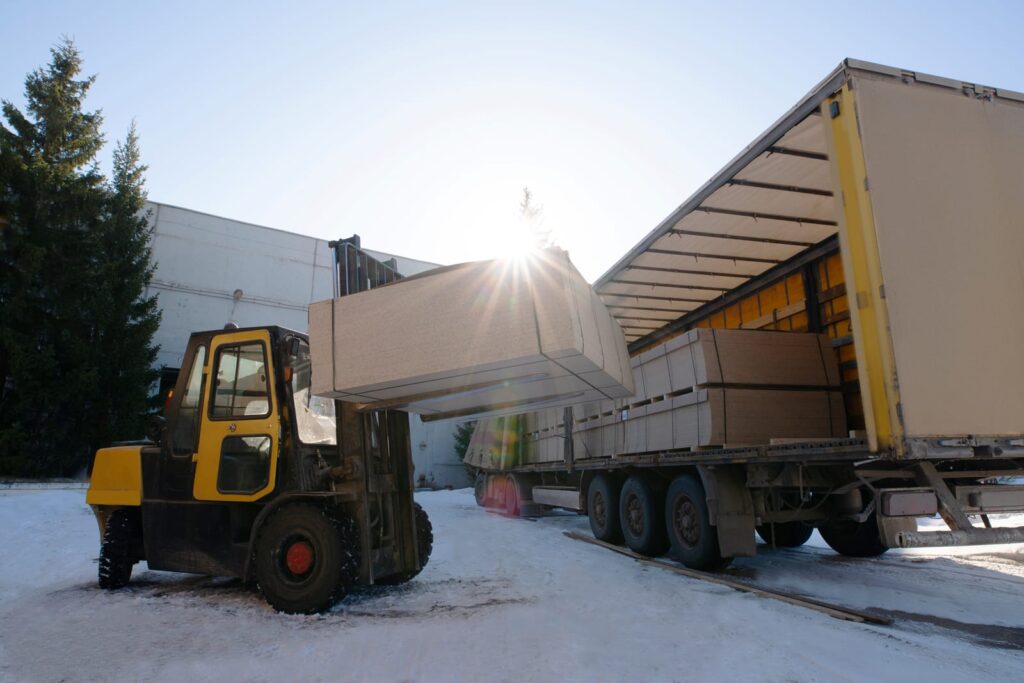
If an operator forces the equipment to lift heavy loads immediately after a rough startup, the resistance can cause rapid component wear. In real-world warehouse operations, these forklift cold start issues translate to sluggish lifting speeds, stalled engines, and immediate safety hazards on the loading dock. Preventing these issues is critical for maintaining operational efficiency and avoiding unexpected downtime during your busiest shifts.
Why Cold Start Forklift Problems Are Common in Utah
The region’s geographic and climatic realities create the perfect storm for winter equipment failures. Freezing temperatures and intense overnight cooling mean that machinery left idle quickly drops below optimal operating temperatures. Even forklifts parked indoors can suffer if the warehouse heating is drastically lowered during the night shift.
Outdoor storage and exposure actively amplify these cold weather forklift performance issues. Equipment left in open loading yards must battle freezing moisture, wind chill, and rapid temperature drops. When early-morning shifts demand immediate equipment use, these harsh conditions force operators to extract maximum power from completely frozen machines.
How Cold Weather Affects Forklift Systems
Battery Performance & Cold Weather Strain
Industrial batteries are highly sensitive to temperature fluctuations and suffer significantly during the winter months. Freezing temperatures slow the internal chemical reactions that generate power, drastically reducing the battery’s overall capacity. An electric forklift that easily completes an eight-hour summer shift may struggle to reach six hours in the bitter cold.
Additionally, cold batteries suffer from slower charging rates and a higher risk of total failure. If a fully discharged battery is left in freezing conditions, the internal fluids can freeze, physically damaging the lead plates.
Hydraulic Fluid Thickening & System Resistance
Your material handling equipment relies entirely on fluid dynamics to safely lift and lower heavy pallets. In freezing temperatures, hydraulic fluid experiences severe viscosity changes, becoming thick and highly sluggish. This thickening creates immense system resistance, forcing hydraulic pumps to work much harder to push fluid through the hoses.
Operators will immediately notice slow response times and stiff mast controls during their initial lifts. This added strain frequently blows seals and ruptures hoses if the system is not properly warmed up. To address these vulnerabilities, facility managers can explore our dedicated hydraulic systems repair and maintenance solutions.
Engine & Electrical System Stress
Internal combustion engines face significant ignition challenges when forced to cold start. The thickened engine oil fails to lubricate the internal cylinders quickly, leading to abrasive metal-on-metal friction during the crucial first seconds of operation. This creates massive starter wear as the electrical system strains to turn the stiff engine block over.
Electrical inefficiencies also plague wiring harnesses and sensors, as extreme cold makes protective casings brittle and prone to cracking. These compounding stressors make proper winter forklift maintenance Utah operations deploy absolutely essential for long-term equipment performance and survival.
The Risks of Improper Cold Starts
Ignoring cold start forklift problems quickly leads to catastrophic mechanical failures and expensive repair bills. Forcing a frozen machine to operate at maximum capacity guarantees increased component wear across the drivetrain and hydraulic cylinders. Over time, this negligence causes long-term equipment damage, significantly shortening the lifespan of your capital investment.
Higher maintenance costs are the direct result of blown seals, ruined batteries, and burned-out starter motors. More importantly, these sudden failures create unexpected downtime that bottlenecks your supply chain and disrupts your tight shipping schedules. Protecting your fleet requires operational patience and a strict commitment to structured warm-up routines.
Proper Warm-Up Procedures for Cold Weather
Preventing damage begins the moment the operator turns the key. Establishing strict warm-up procedures ensures your equipment reaches safe operating temperatures before handling any freight.
Follow these steps to protect your fleet:
- Start the engine and let it idle for five to ten minutes. This allows the system to stabilize before the forklift is driven.
- Cycle the mast up and down several times without a load. This helps warm and circulate the hydraulic fluid.
- Check all dashboard temperature gauges and warning lights. Ensure they indicate normal operating conditions before lifting any pallets.
Implementing these routines dramatically reduces winter wear and tear across your fleet. For more detailed operational strategies, review our comprehensive winter forklift maintenance guide.
Preventive Maintenance Strategies for Utah Winters
Proactive fleet management is the ultimate defense against forklift startup problems in cold weather. Battery care and storage must become a top priority, ensuring electric units are adequately charged and stored in temperature-controlled environments.
Hydraulic fluid management is equally critical during the freezing months. Technicians should switch the fleet to winter-grade, lower-viscosity fluids designed specifically to withstand freezing temperatures without thickening. Scheduled inspections should happen more frequently to catch brittle hoses and failing seals before they rupture under pressure. You can standardize these daily and weekly checks by utilizing our complete forklift maintenance checklist.
When to Increase Maintenance Frequency in Winter
Even with preventive measures in place, intense cold can accelerate mechanical wear. It is important to increase maintenance frequency when specific warning signs emerge, as ignoring them can lead to larger equipment failures.
Key indicators that signal the need for more frequent inspections include:
- Slow or difficult startups: If equipment requires multiple ignition attempts, the battery or starter motor needs immediate evaluation.
- Delayed hydraulic response: Stiff steering or slow lift functions suggest that fluid viscosity is too high or seals are failing.
- Unusual noises or reduced performance: Grinding sounds or a noticeable drop in operational efficiency can mean that current service intervals are insufficient for the winter workload.
How JTS Forklift Service Supports Utah Businesses
Because forklift downtime can disrupt productivity, we prioritize responsive service and clear communication. JTS Forklift Service delivers winter-specific maintenance expertise to keep your distribution center running smoothly, even in freezing weather. Our certified technicians understand the unique environmental factors that affect your material handling equipment during the winter months.
We provide dedicated forklift service across Utah to help facilities eliminate the cold start forklift problems Utah conditions inevitably create. When sudden breakdowns do occur, our mobile repair capabilities ensure fast response times to minimize downtime in freezing conditions. We bring the required diagnostic tools, winter-grade fluids, and replacement parts directly to your loading dock.
This mobile strategy is critical during the winter season. It reduces equipment exposure to the elements and avoids the hazardous logistics of transporting disabled forklifts across icy, unpredictable roads. You can learn more about how on-site service protects your productivity by reading our mobile forklift repair overview.
We encourage you to evaluate our commitment to reliable support and technical competence through our verified Google reviews.
FAQs: Cold Start Forklift Problems
Why do forklifts struggle to start in cold weather?
Cold weather thickens engine oil and hydraulic fluids while simultaneously draining battery capacity. This forces the starter motor to work much harder to turn over a highly resistant, stiff engine block.
How can cold start damage be prevented?
Damage is best prevented by utilizing winter-grade fluids, storing equipment indoors whenever possible, and mandating a five-to-ten-minute idle warm-up period before lifting any loads.
How long should a forklift warm up in winter?
Internal combustion forklifts should idle for at least five minutes to allow the engine oil to circulate fully. Operators should then cycle the hydraulic mast without a load to warm up the fluid before beginning their active shift.
Does cold weather affect electric forklifts differently?
Yes. While electric forklifts do not have combustion engines, their industrial batteries lose significant overall capacity in freezing temperatures. They require specialized charging protocols and warm indoor storage to survive the winter safely.
Partner with JTS to Prevent Winter Equipment Failures
Operating material-handling equipment in freezing temperatures introduces severe mechanical risks to your capital investments. Recognizing the severity of cold start forklift problems empowers operations leaders to implement highly effective preventive measures. By prioritizing gradual warm-up procedures, winter-grade fluid adjustments, and proper battery care, you can successfully prevent long-term equipment damage and avoid costly unexpected downtime.
JTS Forklift Service serves as your dependable partner for maintaining safe, reliable operations throughout the harshest winter months. We deliver the technical competence and rapid mobile response needed to keep your facility productive and your operators safe. If you need expert assistance preparing your fleet for freezing temperatures, contact JTS Forklift Service today to schedule a comprehensive winter maintenance evaluation.
GET IN TOUCH WITH US TODAY