

Operating material handling equipment in the Southwest presents unique and severe environmental challenges. The harsh realities of a desert warehouse environment expose machinery to relentless high temperatures and abrasive airborne particulates. This intense combination of dust and heat accelerates equipment wear, threatening both productivity and workplace safety.
Forklifts are particularly vulnerable in these extreme conditions, as their hydraulic, electrical, and cooling systems struggle to dissipate excess heat. Implementing proper desert forklift maintenance is the most effective way to protect your capital equipment from premature failure. JTS Forklift Service understands that material handling equipment plays a critical role in your daily operations. Our focus is on providing reliable preventive care to help you navigate these environmental stressors safely.
Why Desert Environments Require Specialized Maintenance
Standard maintenance intervals are typically designed for temperate, climate-controlled distribution centers. However, warehouse operations in the Southwest face a completely different set of operational hurdles. Constant dust exposure and extreme ambient temperatures create a highly demanding environment for industrial machinery.
This environment significantly increases mechanical stress on your entire fleet. Rubber seals dry out faster, vital fluids lose their protective viscosity, and moving components face severe friction from abrasive particulates. Relying on standard, calendar-based maintenance schedules in this climate is guaranteed to lead to unexpected breakdowns. Facility leaders must adopt specialized maintenance routines to counteract these specific environmental threats.
Desert Forklift Maintenance Arizona Challenges
Executing effective desert forklift maintenance Arizona operations rely on requires a clear understanding of the specific threats your equipment faces. Facility managers must remain vigilant regarding four primary areas of concern.
Dust & Debris Contamination
Airborne dust is a constant, unavoidable threat in dry climates. Fine particulates act as a relentless abrasive on exposed carriage rollers and mast chains. This environmental contamination quickly leads to clogged air filters, severely reducing airflow and forcing the engine to consume excess fuel. Dust also infiltrates fluid reservoirs, turning clean hydraulic oil into a damaging sludge that destroys internal pump components.
Overheating & Cooling System Strain
Internal combustion forklifts depend entirely on their cooling systems to prevent catastrophic engine failure. High ambient temperatures push radiators to their absolute limits as they attempt to manage massive thermal loads. Cooling inefficiencies quickly compound when the ambient air offers no relief. Any airflow restriction caused by dust buildup will rapidly spike engine and battery heat stress.
Electrical Component Stress & Failure
Modern material handling equipment relies heavily on complex electrical systems and onboard computers. Dust intrusion into these sensitive areas creates immense operational hazards. Fine dust coats circuit boards and degrades wiring, leading to shorts and sensor malfunctions. This stress is particularly dangerous for electric forklifts, where improper battery care in the heat can destroy expensive components.
Outdoor Operation & Environmental Exposure
Equipment operating outside faces the harshest desert realities. Forklifts working in outdoor yards must navigate uneven, sun-baked terrain that destroys standard pneumatic tires. Relentless exposure to direct sunlight also degrades rubber hoses and plastic safety casings. These outdoor units require highly aggressive maintenance schedules to survive their daily operational demands.
Impact of Heat & Dust on Forklift Performance & Lifespan
Ignoring the physical impact of a desert environment can significantly shorten the usable life of material handling equipment and reduce operational efficiency. Accelerated wear on key components leads to several critical issues:
- Reduced Equipment Reliability: A forklift loses lifting capacity and mechanical function far earlier than specified. Engines that consistently run hot are prone to warped cylinder heads and blown gaskets.
- Increased Downtime: Frequent mechanical degradation and breakdowns disrupt warehouse productivity and create costly labor inefficiencies.
- Shorter Equipment Lifespan: Failing to adapt maintenance protocols to the climate results in a significantly reduced service life for your equipment.
- Higher Capital Costs: The need for premature equipment replacement substantially increases long-term capital expenditures.
Core Maintenance Strategies for Desert Warehouse Fleets
Protecting your equipment from extreme conditions requires a proactive, operationally focused mindset. Warehouse managers must mandate frequent filter replacements to ensure engines breathe properly during high-intensity shifts. Implementing routine cleaning protocols prevents abrasive dirt from destroying exposed lifting mechanisms.
Facilities must also establish heat-adjusted service schedules that track actual operating hours rather than arbitrary calendar dates. Proactive inspections allow technicians to identify brittle hoses and failing seals before they rupture on the warehouse floor. For a deeper look into preserving your machinery, review our comprehensive guide on Arizona forklift dust protection.
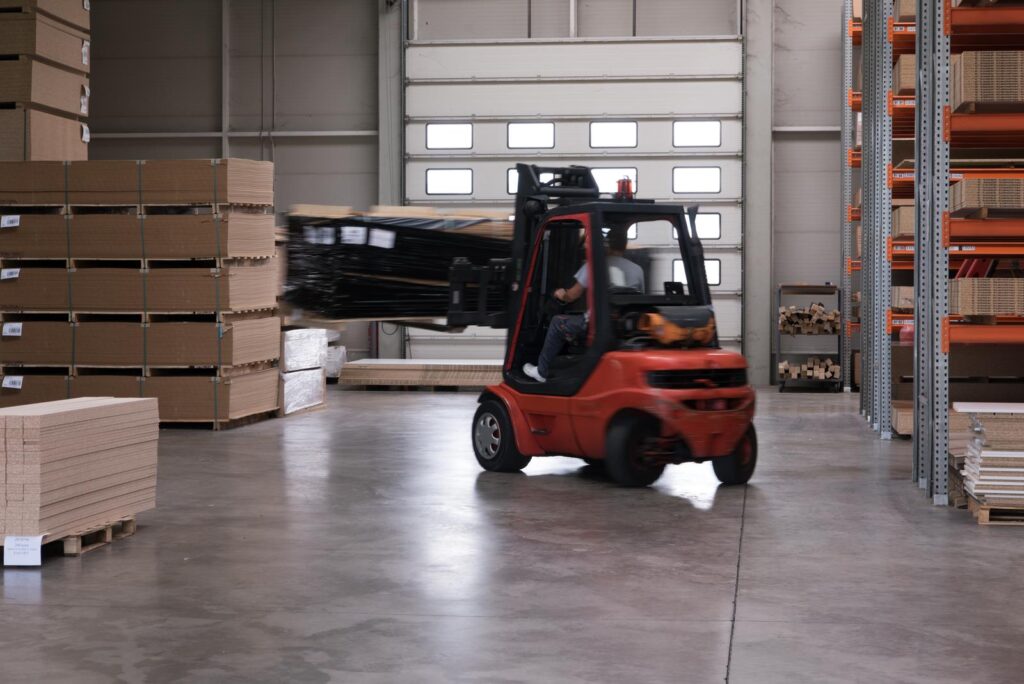
Daily, Weekly, & Monthly Maintenance Best Practices
A successful fleet management program relies on structure and consistent execution. Breaking down your necessary upkeep into distinct intervals ensures your equipment remains safe and fully operational.
Daily Operator Checks
Operators serve as your first line of defense against heat and dust-related breakdowns. Before every shift, they must check engine coolant and hydraulic fluid levels. They should also inspect the radiator grille for heavy dust buildup and test the brakes for any signs of heat-induced fading.
Weekly Inspections
Maintenance staff must conduct thorough weekly reviews of the equipment. Technicians should blow out air filters with compressed air to maintain optimal engine airflow. They must also inspect high-pressure hydraulic hoses for signs of sun-induced dry rot and verify that electric battery water levels are completely safe.
Monthly Preventive Maintenance
Monthly preventive maintenance involves deeper mechanical evaluations performed by certified technicians. This includes testing the specific gravity of battery acid, greasing mast chains to combat dry dust, and pressure-testing the cooling system. These proactive monthly services keep the equipment reliable under the most extreme environmental conditions.
Preventing Dust-Related Failures and Overheating
Downtime prevention relies entirely on recognizing the early warning signs of mechanical distress. Operators must monitor their dashboard temperature gauges constantly during peak summer shifts. If a machine begins running hot, it should be parked immediately and allowed to cool down to prevent permanent engine damage.
Proper airflow management is the most effective way to prevent these overheating events. Radiators should be cleared of debris daily, and cooling systems must be flushed annually before the summer heat arrives. Proactive maintenance ensures your equipment is mechanically prepared to safely withstand the most demanding desert conditions.
The Importance of Mobile Forklift Repair in Arizona
Distribution centers across the region frequently feature massive warehouse footprints and expansive outdoor loading yards. When a forklift breaks down in the middle of a sun-baked yard, moving it safely is a difficult logistical challenge. Facilities require a service partner that brings the repair shop directly to the disabled equipment.
Because forklift downtime can severely disrupt productivity, the need for rapid on-site service is critical. Mobile technicians carry the specialized diagnostic tools, replacement hoses, and high-temperature fluids required to resolve breakdowns immediately. You can explore the operational benefits of this rapid response by reading our overview of mobile forklift repair in Arizona.
How JTS Forklift Service Supports Arizona Businesses
JTS Forklift Service acts as a dependable, long-term partner for distribution centers operating in challenging climates. We provide dedicated desert forklift maintenance designed to combat the exact environmental stressors your facility faces. Our technicians work efficiently to diagnose issues and perform repairs that support long-term equipment reliability.
We provide extensive mobile repair capabilities designed to reduce operational interruptions when breakdowns occur. Our desert-specific maintenance expertise ensures that your batteries, cooling systems, and hydraulic components receive the specialized care they require. With fast response times, we guarantee that a sudden equipment failure does not derail your weekly shipping targets.
We understand why local expertise matters in desert conditions. To learn more about how we help facilities maintain operational efficiency, explore our service coverage in Arizona. You can also view our full range of technical forklift services to see how we manage comprehensive fleet care.
We encourage facility managers to evaluate our technical competence and dedication to safety by reading our verified Google reviews.
FAQs: Desert Forklift Maintenance
How does dust affect forklift performance?
Airborne dust clogs primary air filters, starving the engine of oxygen and causing it to consume excess fuel. Dust also acts as an abrasive on exposed mast chains and carriage rollers, drastically accelerating the wear of these components.
How often should filters be replaced in desert environments?
In dusty warehouse environments, air filters should be blown out weekly and replaced far more frequently than manufacturer baselines suggest. High-use fleets often require monthly filter replacements to prevent engine suffocation and overheating.
What causes forklifts to overheat in Arizona?
Overheating is typically caused by a combination of high ambient temperatures, heavy operational loads, and restricted airflow. Dust frequently clogs radiator fins, preventing the cooling system from effectively shedding thermal energy.
How can equipment lifespan be extended in desert conditions?
Extending lifespan requires strict adherence to proactive, usage-based maintenance plans. This includes flushing cooling systems annually, replacing degraded hydraulic fluid, executing proper battery charging protocols, and greasing exposed chains to repel dirt.
Partner with JTS to Protect Your Equipment
Managing a material handling fleet in the Southwest requires vigilance, proper planning, and expert technical execution. The intense climate guarantees that unmanaged equipment will suffer from overheating, electrical shorts, and accelerated mechanical wear. By prioritizing dedicated desert forklift maintenance Arizona strategies, warehouse leaders can successfully combat thermal stress, protect vital systems, and extend the long-term lifespan of their machinery.
JTS Forklift Service serves as your trusted operational partner, delivering the mobile responsiveness and technical expertise required to keep your warehouse running safely. We provide the preventive care necessary to conquer the harshest environmental challenges. If you need to upgrade your fleet management approach to handle the desert climate, contact JTS Forklift Service today to discuss a proactive service plan.
GET IN TOUCH WITH US TODAY