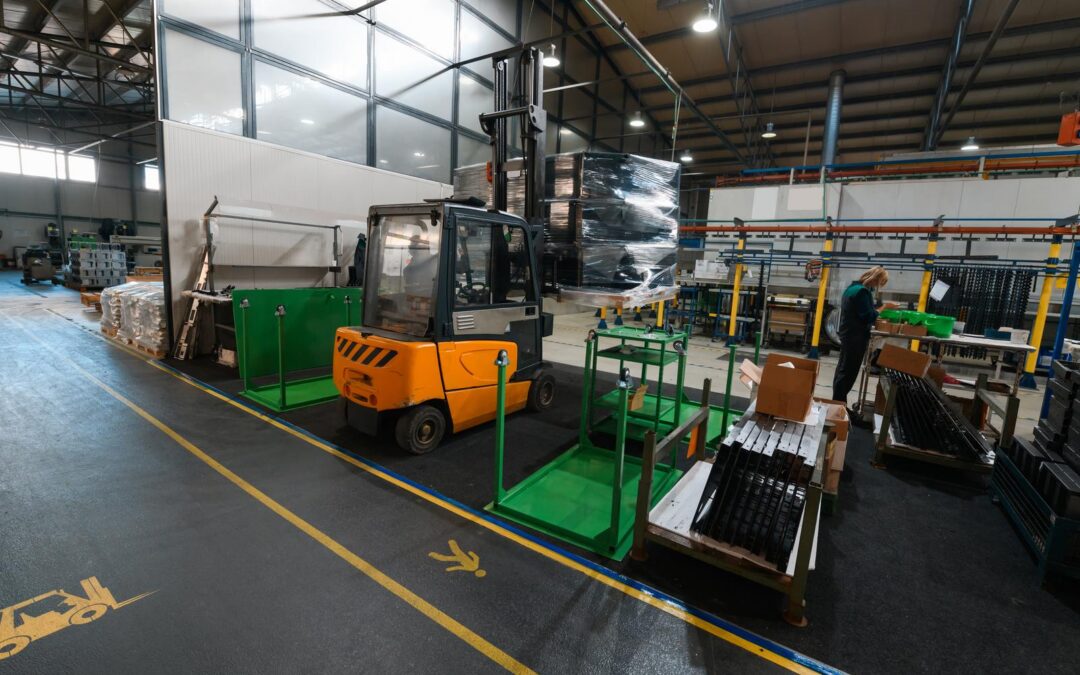
Managing an electric forklift fleet in the Southwest requires specific operational strategies. High temperatures place significant stress on industrial equipment. Proper battery care is critical to keeping your distribution center or industrial facility running smoothly. The team at JTS Forklift Service understands that material handling equipment plays a critical role in daily operations. We focus on providing reliable guidance to help you protect your investment and maintain uninterrupted workflows in harsh climates.
This guide explains how extreme weather impacts your power systems and provides actionable steps to maintain peak operational efficiency.
Why Battery Care Matters in the Arizona Heat
Heat accelerates the chemical reactions inside lead-acid and lithium-ion power cells. When ambient temperatures rise above 90 degrees, batteries work much harder to store and deliver energy. This continuous strain directly impacts forklift battery lifespan. Excessive exposure to extreme heat can cut a battery’s lifespan in half if not managed properly.
Operating in a high-heat environment means you cannot treat maintenance as an afterthought. Implementing effective forklift battery maintenance Arizona facilities trust is the best way to avoid unexpected power failures. Proactive care reduces the frequency of battery replacements, keeping your logistics moving.
Proper Forklift Battery Charging Practices
Charging generates internal heat. When you combine this internal heat with a hot summer environment, the risk of equipment damage increases significantly. Establishing strict charging protocols protects your power cells from thermal overload.
Preventing Battery Overheating
Always allow a battery to cool down before charging it. If an operator just finished a heavy eight-hour shift, the battery’s internal temperature is already elevated. Plugging it in immediately pushes that temperature into the danger zone.
Once the charge cycle completes, give the battery additional time to cool before placing it back into service. Designate a shaded, temperature-controlled charging station inside your facility. Keeping your charging area well-ventilated helps dissipate excess heat safely.
Maintaining Proper Water Levels
Industrial lead-acid batteries rely on a delicate balance of water and acid to function. In dry, hot climates, the water inside the battery cells evaporates rapidly. Operating a battery with low water levels exposes the internal lead plates to the air. This exposure causes permanent damage and severely reduces overall capacity.
Check water levels weekly during the summer months. High-use fleets might require inspections every few days. Always add water after the battery is fully charged, never before. Adding water before charging leads to overflows when the fluid expands. Use only distilled or deionized water to prevent mineral buildup inside the cells, which can short out the internal components.
Battery Cleaning and Inspection Best Practices
Dust and debris accumulate quickly in desert environments. When dirt mixes with spilled battery acid, it creates a conductive surface. This conductive layer causes the battery to slowly discharge, even when the machine is turned off.
Signs of Battery Corrosion and Terminal Damage
Inspect the top of your battery regularly for white or green powdery buildup. This corrosion damages terminals and cables, leading to poor electrical connections and sudden power loss.
Clean the battery surface monthly with a specialized neutralizing wash or a simple baking soda and water mixture. Ensure all vent caps are tightly secured before cleaning to prevent dirt and neutralizer from entering the cells. Wipe down the battery cables and check the connectors for fraying or exposed wires to maintain workplace safety.
Common Battery Maintenance Mistakes to Avoid
Fleet managers often encounter avoidable problems due to simple operational errors. One major mistake is “opportunity charging.” This occurs when operators plug the machine in during short lunch breaks or shift changes. This practice prevents the battery from completing a full charge cycle, resulting in excessive, unnecessary heat.
Another common error is overwatering. Overfilling the cells causes highly corrosive acid to boil over during the charge cycle. This acid damages the forklift chassis, degrades the battery casing, and creates severe safety hazards for your warehouse staff.
The Impact of Poor Maintenance on Performance
Equipment reliability directly affects your operational efficiency. When power systems degrade due to poor maintenance, operators experience sluggish lifting speeds and reduced driving power. Machines that normally run for an entire shift may only last four or five hours. This reduced runtime forces frequent battery swaps and slows down productivity across your entire distribution center.
Warning Signs You Need Repair or Replacement
Watch for specific indicators that your equipment needs professional attention. You should schedule service if you notice:
- A battery taking unusually long to charge.
- Strong sulfur or rotten-egg smell during operation.
- Visible physical swelling on the battery casing.
- Excessive heat radiating from the battery compartment.
Addressing these symptoms early through targeted forklift battery repair Arizona technicians can sometimes salvage the unit before total failure occurs.
The Value of Preventive Maintenance and Professional Service
Managing an electric fleet requires time and technical knowledge. Implementing a structured maintenance plan helps identify minor issues before they cause unexpected downtime. Routine preventive service and inspections ensure that water levels, cable connections, and charger calibrations meet manufacturer specifications.
Working with experienced technicians provides significant advantages for industrial businesses. Partnering with a reliable provider for comprehensive forklift service Arizona operations depend on ensures your equipment remains safe and functional. Mobile service options allow technicians to diagnose and resolve battery problems directly at your facility, minimizing disruptions to your daily operations.
Frequently Asked Questions (FAQ)
How often should I water my electric forklift battery in Arizona?
During high-temperature months, you should check the water levels at least once a week. Facilities running multi-shift operations may need to check and top off battery fluid every three to four days to prevent the internal plates from drying out.
Can I charge my forklift outside during the summer?
You should avoid charging electric forklifts outdoors in extreme heat. Direct sunlight and high ambient temperatures compound the heat generated during the charging cycle. Always charge your equipment in a shaded, well-ventilated, and temperature-controlled space.
What should I do if my forklift battery smells like rotten eggs?
A strong sulfur smell indicates that the battery is overcharging, overheating, or venting hazardous hydrogen gas. Stop using the machine immediately, disconnect it from the charger, clear the area, and contact a professional technician for an inspection.
How long should an industrial forklift battery last?
With proper maintenance, a standard lead-acid battery typically lasts for about 1,500 charge cycles, which translates to roughly five years of use in a single-shift operation. Neglecting water levels and exposing the battery to extreme heat can reduce this lifespan by more than half.
Partner with JTS for Forklift Battery Maintenance Arizona
Effective battery care is essential for maintaining forklift performance and operational efficiency, especially in Arizona’s demanding climate. By implementing proper charging, watering, and cleaning protocols, you can protect your equipment from heat-related damage and extend its service life. However, managing these tasks requires technical expertise and consistent oversight. Don’t let battery issues disrupt your workflow.
For professional forklift battery maintenance Arizona businesses trust JTS Forklift Service. Our experienced technicians provide expert forklift battery repair and preventive maintenance to keep your fleet running reliably. Contact JTS Forklift Service today to schedule a comprehensive service and ensure your equipment is prepared for the challenges ahead.
GET IN TOUCH WITH JTS FORKLIFT SERVICE