In the high-stakes world of Arizona logistics, fulfillment centers operate on razor-thin margins and incredibly tight schedules. Whether you are managing peak-season surges in Phoenix or coordinating wave picking in a sprawling Mesa distribution hub, the pressure to meet shipping windows is relentless. In this environment, your material handling fleet is the heartbeat of your operation. When a forklift stops, the rhythm breaks, and the consequences ripple through every department.
At JTS Forklift Service, we understand that a stalled machine is more than just an inconvenience; it is a direct hit to your productivity. Many operations managers calculate the cost of a breakdown by looking at the repair invoice, but the true forklift downtime cost is often hidden beneath the surface. For Arizona fulfillment centers facing dock congestion and aggressive service level agreements (SLAs), these hidden costs can quickly spiral into thousands of dollars in lost revenue. Understanding the full impact of downtime is the first step toward building a strategy that keeps your fleet (and your business) moving forward.
The Real Forklift Downtime Cost Isn’t Just the Repair Bill
When a forklift goes down, the clock starts ticking on expenses unrelated to parts or labor. The visible cost (the invoice from the mechanic) is often just the tip of the iceberg. The submerged costs are where the real damage to your bottom line occurs.
Consider the labor impact. If a forklift breaks down in a picking aisle, the operator is now idle. But it doesn’t stop there. The loaders waiting for that pallet at the dock are also stalled. The driver waiting to depart is delayed. You are essentially paying wages for zero productivity. Beyond labor, there are operational bottlenecks. A disabled truck in a narrow aisle can block traffic, forcing other operators to take longer, less efficient routes.
Then there are the downstream effects. Missed SLAs can lead to carrier fees, chargebacks from retailers, or the costly need for expedited shipping to keep a customer happy. If operators are forced to overload remaining trucks to make up for the lost capacity, safety risks increase, potentially leading to accidents or product damage.
Imagine a scenario where a critical reach truck fails during a shift change. For just 45 minutes, pallets aren’t being replenished. Pickers run out of stock, packing stations run dry, and a scheduled outbound truck leaves half-empty. That single mechanical failure has now compromised the efficiency of an entire shift.
The High Cost of Downtime for Utah Fulfillment Centers
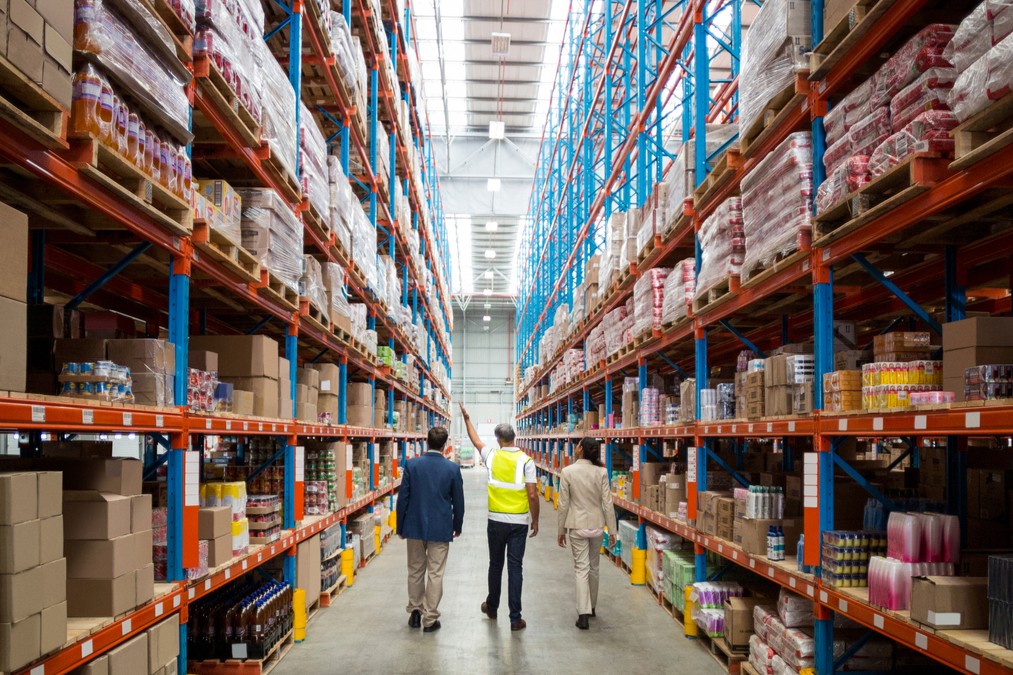
Warehousing in the Grand Canyon State presents unique challenges that amplify the pain of equipment failure. Arizona fulfillment centers often operate on massive, sprawling footprints, with long travel distances. If a truck dies in the far corner of a million-square-foot facility, simply getting a technician to the unit takes time.
The environment itself is a factor. The intense heat, pervasive dust, and frequent transitions between air-conditioned interiors and gritty outdoor yards accelerate equipment wear. This harsh environment means that components like cooling systems and air filters work overtime, increasing the likelihood of failure if not strictly maintained. Furthermore, many Arizona facilities operate on multi-shift or 24/7 schedules to handle regional volume. This leaves little slack in the schedule. When equipment is shared across zones, as when a sit-down rider moves from the dock to the yard and back, a downed truck instantly affects multiple workflows.
Common Forklift Failures in High-Volume Warehouses
In high-volume environments, certain components are always the first to give way under strain. Recognizing the early symptoms can save you from a complete standstill.
- Brakes: Constant stop-and-go traffic leads to heat fade. Watch for pulling to one side or increased stopping distances.
- Tires and Traction: High speeds and rough transitions cause chunking or uneven wear, leading to dangerous vibration.
- Hydraulics: If the forks drift downward while holding a load or lift speeds become sluggish, seal failure is imminent.
- Electrical/Battery: In electric fleets, look for sudden power drops, hot connectors, or inconsistent acceleration.
- Steering and Controls: Excessive play in the steering wheel or dashboard fault codes are clear indicators of wear.
Don’t ignore these warning signs. A “noisy” brake today is a failed brake tomorrow.
Protect Warehouse Efficiency Arizona With Preventive Maintenance
The antidote to unpredictable downtime is a disciplined maintenance strategy. Shifting from a reactive “fix-it-when-it-breaks” mentality to a proactive plan is the best way to protect warehouse efficiency Arizona operators rely on.
Effective preventive maintenance isn’t just about changing oil; it’s about aligning inspections with reality. For high-utilization fleets, a calendar-based schedule (e.g., “every 90 days”) often isn’t enough. Instead, base your maintenance on operating hours or duty cycles. This ensures that a forklift running double shifts gets checked twice as often as a backup unit. It also involves documenting recurring symptoms by truck serial number. This data helps identify “problem units” that consume disproportionate resources, allowing you to make informed repair-vs-replace decisions. Prioritizing high-wear items specifically for Arizona conditions, such as air filtration and cooling systems, ensures your fleet is hardened against the environment.
What a JTS Maintenance Plan Looks Like
At JTS Forklift Service, we design maintenance plans that act as an insurance policy for your productivity. We don’t just look at the machine; we look at how it supports your business.
Our planned maintenance services are built around consistency and transparency. We perform rigorous, planned inspections that go beyond a quick glance. We track wear items over time, allowing us to predict when a tire or hose will need to be replaced before it fails. This proactive approach leads to faster diagnosis and fewer emergency calls. By standardizing checks across your fleet, we ensure that every unit, regardless of age, meets the same safety and performance standards. In Arizona, where heat and dust are constant enemies, our specialized focus on cleaning and cooling keeps your equipment running cooler and longer.
24/7 On-Site Service: Minimizing Downtime Across Arizona
When a forklift is stranded on a busy loading dock, you don’t have time to wait for a tow truck. Towing a unit off-site for repairs adds hours (sometimes days) to your downtime calculation. This is why mobile, on-site response is critical.
Our technicians arrive fully equipped to handle most repairs right where the truck sits. Whether you are in Phoenix, Mesa, or Casa Grande, our extensive coverage across the Arizona service area ensures that help is never far away. By performing repairs on-site, we reduce delays and support a faster turnaround, getting your asset back into the revenue stream immediately.
Self-Audit: Where Is Downtime Hiding in Your Operations?
Is your operation leaking money through hidden inefficiencies? Take a moment to audit your fleet’s recent performance.
- Soft Failures: How many times per week do operators report sluggish lifting or “soft” brakes that don’t result in a total breakdown but slow down work?
- Battery Swaps: Are you seeing repeated mid-shift battery changes due to charging issues or old cells?
- Unlogged Reports: Do operators mention issues in passing that never get written down or addressed?
- Repeat Offenders: Do you have specific trucks that seem to be under repair every other week without a root-cause fix?
- Peak Timing: Do breakdowns consistently happen during your busiest waves?
If you checked any of these boxes, your forklift downtime costs might be higher than you realize. Maintaining best practices is an ongoing effort, and we’re here to help. We regularly share tips, insights, and updates to keep your operations running smoothly. Stay connected with the latest industry advice and see how we support businesses like yours by following JTS Forklift Service on LinkedIn.
Thanks for Reading!
In the demanding environment of high-volume logistics, the true cost of a broken forklift goes far beyond the mechanic’s bill. It eats into your labor budget, damages your throughput, and threatens your customer commitments. Proactive maintenance is the only way to safeguard warehouse efficiency Arizona businesses need to compete. By addressing wear before it becomes failure, you protect your bottom line.
Don’t let hidden forklift downtime cost erode your profits. Contact JTS Forklift Service today to schedule a fleet inspection or discuss a custom maintenance plan tailored to your facility’s needs.
GET IN TOUCH WITH JTS FORKLIFT SERVICE