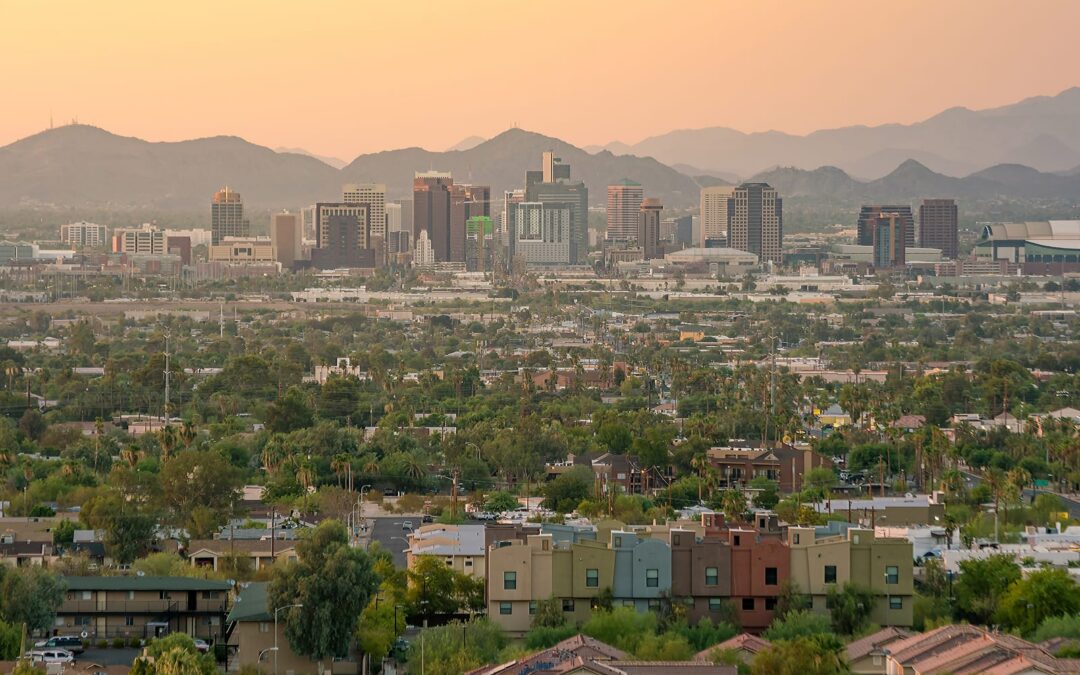
Arizona’s summers are a stress test for any piece of mechanical equipment. Phoenix regularly exceeds 110°F, and inside warehouses without adequate ventilation, ambient temperatures can climb considerably higher. Forklifts operating in outdoor yards face the full force of direct desert sun across multi-shift operations. That sustained thermal stress compounds daily, and the hydraulic system is where it shows up first.
JTS Forklift Service works with warehouse operations, distribution centers, and industrial facilities across the greater Phoenix area. Hydraulic leaks rank among the most common service calls we receive during the summer months — and for good reason. Understanding exactly why heat drives these failures makes it easier to stay ahead of them.
How Does Arizona’s Extreme Heat Affect Forklift Hydraulic Systems?
A forklift’s hydraulic system is already a high-pressure, high-temperature environment under normal operating conditions. The system generates its own heat through the constant cycling of fluid through pumps, cylinders, valves, and hoses. Add triple-digit ambient temperatures to that equation, and the thermal load increases significantly.
In a standard temperate environment, the cooling components of the hydraulic system can shed excess heat without much strain. In Arizona’s summer climate, the air offering no relief means that heat builds inside the system faster than it can dissipate. Every additional degree of operating temperature shortens the effective lifespan of the seals, hoses, and fluid that keep the system functional.
This problem is compounded in outdoor yard environments, where forklifts sit in direct sunlight between cycles and never have a chance to cool down between shifts.
Why Do Forklift Hydraulic Leaks Become More Common in Extreme Heat?
Seal Shrinkage and Deterioration
Hydraulic seals are the most heat-sensitive components in the system. Standard seal materials, including nitrile rubber, are designed to remain flexible and compliant within a defined temperature range. When hydraulic fluid temperatures exceed 180°F — a threshold that becomes much easier to reach in Arizona’s summer conditions — those seal compounds begin to harden and lose their elasticity.
According to SKF, when temperatures rise above 82°C (180°F), most seal compounds are damaged and hydraulic oil oxidation and degradation accelerate. A hardened seal cannot conform to the shape of the cylinder rod. Fluid slips past the contact point, and a leak develops. What starts as minor seepage at the rod wiper can progress quickly into measurable fluid loss and reduced lifting pressure.
Desert dust compounds this further. Fine abrasive particulates that are unavoidable in Arizona warehouse environments act like sandpaper on seal lips, accelerating deterioration even before heat alone would cause failure.
Hose Cracking and UV Degradation
Hydraulic hoses exposed to direct sunlight undergo a separate form of heat damage. UV radiation and sustained high temperatures dry out the outer rubber sheathing, causing surface cracking. Those cracks allow moisture and debris to reach the reinforcement layer beneath, weakening the hose structurally.
For forklifts operating in outdoor yards, this degradation happens faster than most maintenance intervals account for. A hose that looks intact on a visual inspection may have internal reinforcement failure that shows up under pressure.
Increased System Pressure and Fluid Expansion
As hydraulic fluid heats up, it expands. That expansion raises system pressure, placing additional stress on every fitting, seal, and hose connection in the circuit. Fittings that were properly torqued may begin to weep fluid. Seals that were borderline but functional may fail outright. The entire system is operating at a higher baseline stress level, which means minor existing weaknesses become active leak points.
Accelerated Fluid Breakdown
Hydraulic fluid serves two primary functions: transmitting power and lubricating internal components. Heat degrades both of those properties. As fluid oxidizes from sustained high temperatures, its viscosity drops. Thinner fluid creates less of a protective film between moving parts, accelerating wear on pumps, cylinders, and valves.
Contaminated fluid compounds the damage. If a leak is already weeping at a seal, contaminants from the environment can enter the system through that same gap — turning a localized seal problem into widespread internal wear. For more on how contamination and overheating interact inside hydraulic systems, see our guide on common hydraulic system failures and how to prevent costly downtime.
What Are the Warning Signs of a Forklift Hydraulic Leak?
Catching a hydraulic leak early is considerably less expensive than addressing a system failure. The following warning signs indicate that inspection is needed:
- Oil puddles or wet spots beneath the forklift — even small amounts of fluid on the floor indicate an external leak that will worsen under operating pressure.
- Slow or jerky lifting motion — inconsistent pressure caused by internal seal leakage produces uneven cylinder movement.
- Reduced lifting capacity — if the forks struggle to lift loads that were previously routine, internal pressure loss is a likely cause.
- Forks drifting downward with a load held in the neutral position — this indicates internal seal bypass inside the cylinder, which is a safety risk.
- Visible hose damage — surface cracking, bulging, or discoloration are signs that a hose needs replacement before it fails under pressure.
- Low fluid level without an obvious external puddle — internal leaks don’t always leave fluid on the floor, but the fluid has to go somewhere.
Any of these symptoms warrants a prompt inspection. Ignoring early indicators typically converts a straightforward seal replacement into a more extensive repair involving scored cylinder rods, contaminated pumps, or damaged valves.
What Preventive Maintenance Steps Reduce Hydraulic Leak Risk in Arizona?
Shorten Inspection Intervals for Arizona’s Climate
Standard maintenance intervals are designed for moderate operating environments. They do not account for the accelerated wear that Arizona heat causes on seals, hoses, and fluid. High-use equipment operating through the summer should be inspected more frequently — tracking actual operating hours rather than relying on calendar-based schedules.
Our desert forklift maintenance guide for Arizona warehouse operations covers how to adjust those intervals based on operating conditions and equipment type.
Monitor and Replace Hydraulic Fluid Proactively
Check fluid condition regularly, not just fluid level. Fresh hydraulic fluid is typically clear and amber. If the fluid appears dark, smells burnt, or looks milky, it has degraded or been contaminated and needs to be replaced. Using the correct fluid specification for your equipment — particularly one with adequate anti-oxidation properties for high-temperature operation — extends the life of internal components.
For a full breakdown of forklift hydraulic system components and how to maintain them, see our resource on forklift hydraulic system failures: common parts that break and how to prevent them.
Inspect Hoses, Seals, and Fittings Before Summer Peaks
The period before Arizona’s peak summer heat — typically late spring — is the right time to conduct a thorough hydraulic inspection. Look for hoses with surface cracking, fittings with early corrosion, and seals that show any sign of weeping. Replacing components that are marginal but still functional costs far less than replacing them after a failure mid-shift.
Keep Cooling Systems Clear
Hydraulic cooling components lose effectiveness when clogged with desert dust. Radiator fins and fluid cooler surfaces should be cleared of debris on a regular schedule during high-dust periods. Reduced cooling efficiency raises fluid operating temperatures, which accelerates every failure mode described above.
Maintain Proper Fluid Levels
Low fluid levels reduce the system’s ability to dissipate heat. Check levels at the start of every shift, and investigate the cause of any drop — do not simply top up the reservoir without identifying why the level dropped.
Why Does Professional Hydraulic Repair Matter When Leaks Occur?
A hydraulic leak is rarely isolated to a single failed component. By the time external fluid loss is visible, the root cause has often been developing for some time. Attempting to resolve a leak by replacing only the most obvious failed part — without pressure-testing the system, inspecting the cylinder rod for scoring, or checking for internal seal bypass — frequently results in the same problem returning within weeks.
Professional technicians bring diagnostic equipment that identifies system pressure drop, internal bypass rates, and contamination levels. That information determines whether a seal kit resolves the problem or whether a cylinder rebuild or rod replacement is required. Addressing the correct underlying cause the first time reduces total repair cost and eliminates repeat downtime.
How Does JTS Forklift Service Support Arizona Businesses with Hydraulic Repairs?
JTS Forklift Service provides mobile hydraulic repair and preventive maintenance to warehouse operations, manufacturing facilities, and construction businesses throughout the Phoenix metro area, including Mesa, Chandler, Gilbert, Scottsdale, Tempe, and surrounding communities.
Our technicians carry diagnostic tools, replacement hoses, seals, and high-temperature hydraulic fluids needed to address breakdowns on-site. For operations that cannot afford extended equipment downtime, same-day and next-day service is available.
Beyond emergency repairs, JTS Forklift Service offers preventive maintenance plans designed specifically for Arizona’s climate demands, including heat-adjusted service intervals and pre-summer hydraulic system evaluations. For businesses looking to reduce the frequency of reactive repairs and extend equipment lifespan, that proactive approach consistently delivers better outcomes than waiting for a leak to develop.
To learn more about our mobile repair capabilities and service coverage across the Valley, visit our forklift repair in Arizona page.
Protect Your Hydraulic System Before the Heat Takes Its Toll
Hydraulic leaks in Arizona are not random events. They follow predictable patterns driven by heat, dust, and maintenance gaps that leave equipment vulnerable before temperatures peak. The businesses that manage those risks proactively — through proper fluid maintenance, adjusted inspection intervals, and timely component replacement — avoid the costlier disruptions that come from running degraded equipment through a desert summer.
If your operation has not yet scheduled a pre-summer hydraulic inspection, contact JTS Forklift Service at (480) 404-5023 or visit jtsforklift.com/contact-us to request service. Our Arizona technicians are available to assess your equipment and build a maintenance plan that accounts for the specific demands of your operating environment.
Frequently Asked Questions
Why do hydraulic seals fail faster in Arizona than in other climates?
High ambient temperatures push hydraulic fluid closer to and beyond the threshold at which seal compounds degrade. According to SKF, temperatures above 82°C (180°F) cause most seal compounds to harden and lose flexibility, breaking the contact seal that keeps fluid contained. Arizona’s outdoor and warehouse environments make it significantly easier for hydraulic systems to reach and exceed that threshold.
How can I tell if a hydraulic leak is internal or external?
External leaks leave visible fluid on the cylinder rod, hose surfaces, or the floor beneath the forklift. Internal leaks bypass the piston seal inside the cylinder and show up as load drift — forks sinking slowly when held in neutral — or reduced lifting speed and capacity without any visible fluid loss. Both require professional inspection to diagnose accurately.
How often should hydraulic fluid be changed for forklifts operating in Arizona heat?
In high-temperature operating environments, hydraulic fluid degrades more quickly than standard manufacturer intervals account for. Most forklifts benefit from fluid checks every 250 operating hours, with full fluid changes based on condition assessment rather than calendar dates alone. JTS Forklift Service can evaluate fluid condition and recommend appropriate change intervals for your specific equipment and operating schedule.
Is it safe to continue operating a forklift with a small hydraulic leak?
Operating with a known hydraulic leak carries multiple risks. Fluid loss reduces system pressure and lifting capacity, which creates a load control hazard. Fluid on the floor creates a slip hazard. Contaminants entering through the leak point cause internal component damage that escalates repair costs. A leak that appears minor should be inspected promptly rather than monitored until it worsens.