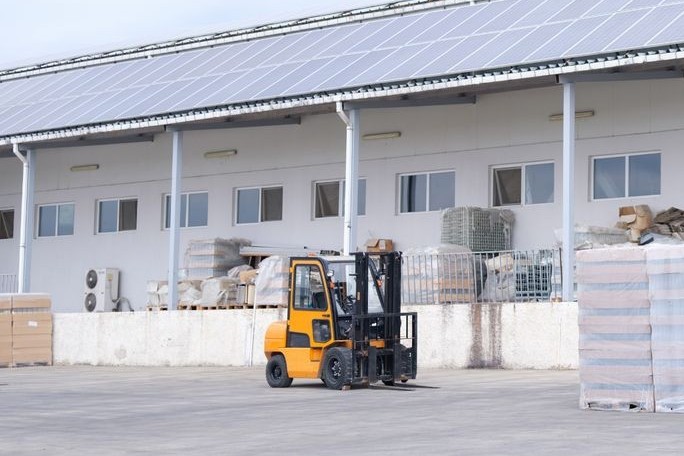
Operating a distribution center in the Southwest means dealing with some of the most intense environmental conditions in the country. Extreme summer temperatures directly affect warehouse operations, accelerating mechanical wear across all heavy machinery. Forklifts are particularly vulnerable in these high-heat environments, as their complex hydraulic and electrical systems struggle to shed excess thermal energy.
Implementing proper forklift maintenance Arizona heat strategies is the only effective way to protect your capital equipment from premature failure. We understand that material handling equipment plays a critical role in your daily operations. JTS Forklift Service focuses on providing reliable support to help facilities overcome these localized climate challenges, ensuring your fleet remains functional, safe, and productive throughout the hottest months of the year.
Why Arizona Heat Creates Unique Maintenance Challenges
Standard maintenance schedules are generally designed for temperate, climate-controlled environments. However, the extreme temperatures and prolonged exposure found in desert environments create a completely different set of operational hurdles. High ambient temperatures prevent engines and hydraulic systems from cooling efficiently during heavy shifts.
This constant elevated temperature drastically increases mechanical stress on moving parts. Rubber seals dry out faster, fluids lose their protective viscosity, and electrical components face severe thermal degradation. Consequently, operations leaders must account for this faster component wear and failure rate by adjusting their service intervals before catastrophic breakdowns occur.
Forklift Maintenance Challenges in Arizona Heat
Addressing the realities of forklift maintenance Arizona heat requires a clear understanding of exactly how high temperatures attack different mechanical systems. Facility managers must remain vigilant regarding four primary areas of concern.
Battery Degradation in High Temperatures
Electric forklift batteries are particularly vulnerable to heat, which can accelerate wear and reduce their operational lifespan. Key issues include:
- Accelerated Chemical Reactions: High heat speeds up internal chemical processes, shortening the battery’s overall life.
- Fluid Evaporation: Hot environments cause battery fluid to evaporate more quickly, potentially exposing internal lead plates to damage.
- Charging Inefficiency: Overheated batteries take longer to charge and generate additional heat during charging, increasing wear.
Hydraulic System Stress & Fluid Breakdown
A forklift’s hydraulic system operates under immense pressure, and heat can compromise its integrity. The main concerns are:
- Reduced Fluid Viscosity: Heat thins hydraulic fluid, reducing its ability to lubricate components and maintain stable pressure for lifting operations.
- Seal and Hose Damage: High temperatures can make rubber O-rings, seals, and hoses brittle, leading to cracks and fluid leaks.
- Inconsistent Performance: Degraded fluid can lead to sluggish or unpredictable lifting and lowering, posing safety risks.
Cooling System Strain
For internal combustion forklifts, the cooling system is essential for preventing engine damage, especially in high-temperature environments. Heat-related strain includes:
- Increased Overheating Risk: High ambient temperatures reduce the radiator’s ability to dissipate heat, pushing the cooling system to its operational limits.
- Component Failure: Sustained high temperatures increase the likelihood of fan belt damage or other cooling system component failures.
- Airflow Blockages: A clogged radiator grille or debris can restrict airflow, causing rapid engine temperature rise and risking catastrophic failure.
Dust & Environmental Contamination
Arizona’s dry, dusty conditions create an abrasive environment that accelerates wear on forklift components. This includes:
- Accelerated Component Wear: Airborne dust and sand act like sandpaper on moving parts such as mast chains and carriage rollers.
- Clogged Air Filters: Particulates can quickly block air filters, restricting airflow to the engine and causing it to run hotter.
- Fluid Contamination: Dust can enter fluid reservoirs, contaminating hydraulic oil and turning it into an abrasive sludge that damages internal components.
How Heat Impacts Forklift Lifespan
Ignoring the environmental impact of the desert inevitably shortens the usable life of your material handling equipment. Accelerated wear on key components means that a forklift designed to last a decade might require full replacement in just five or six years. Engines that frequently overheat suffer warped cylinder heads and blown gaskets, permanently reducing their lifting capacity.
This thermal degradation reduces reliability over time. Equipment that constantly breaks down disrupts warehouse productivity and frustrates your workforce. Ultimately, failing to adapt your maintenance strategy results in drastically increased long-term costs, as facility managers are forced to replace expensive parts and replace entire forklifts prematurely.
Core Maintenance Strategies for Arizona Warehouses
Protecting your equipment requires a proactive, operationally focused approach. Warehouse managers must mandate more frequent inspections during the summer months to catch heat-related wear early. Implementing heat-adjusted maintenance schedules ensures that fluids are swapped and filters are changed before they degrade to the point of failure.
Proper battery care is also essential. Facilities must enforce strict charging practices, ensuring batteries are only watered after they are fully charged and have cooled. Continuous fluid monitoring and replacement are non-negotiable for preserving engine and hydraulic health. For a deeper understanding of these protective measures, review our detailed guide on the impact of heat on forklifts.
Daily, Weekly, & Monthly Maintenance Best Practices
A successful fleet management program relies on consistent execution. Breaking down your maintenance tasks into structured intervals ensures that nothing is overlooked during busy shipping shifts.
Daily Operator Checks
Operators are the first line of defense against heat-related breakdowns. Before every shift, they must check the engine coolant and hydraulic fluid levels. They should also inspect the radiator grille for dust buildup and test the brakes for any signs of heat-induced fading.
Weekly Inspections
Maintenance staff should conduct thorough weekly reviews of the equipment. This involves blowing out air filters with compressed air to maintain proper engine airflow. Technicians must also inspect all high-pressure hydraulic hoses for signs of dry rot and check electric battery water levels carefully.
Monthly Preventive Maintenance
Monthly maintenance requires certified technicians to conduct more thorough mechanical evaluations. This includes testing the specific gravity of battery acid, greasing mast chains to combat dry dust, and testing the cooling system’s pressure. These proactive monthly services keep the equipment reliable under maximum thermal stress.
Preventing Overheating & Equipment Failure
Downtime prevention relies on recognizing the early warning signs of mechanical distress. Operators must be trained to continuously monitor their dashboard temperature gauges. If a machine begins running hot, it should be immediately parked and allowed to cool down to prevent permanent engine damage.
Rigorous cooling system maintenance is the most effective way to prevent these overheating events. Radiators should be flushed annually before the summer heat arrives, and water pumps must be inspected for proper flow. Proactive service scheduling ensures that your equipment is mechanically prepared to handle the peak temperatures of July and August.
The Importance of Mobile Forklift Repair in Arizona
Distribution centers in the Southwest often feature massive warehouse footprints and expansive outdoor loading yards. When a forklift breaks down in the middle of a hot yard, moving it safely is a difficult and dangerous logistical challenge. Facilities require a service partner that can bring the repair shop directly to the disabled equipment.
Because forklift downtime can severely disrupt productivity, the need for a rapid on-site response is critical. Mobile technicians carry the diagnostic tools, replacement hoses, and specialized fluids required to resolve high-heat breakdowns immediately. You can explore the operational benefits of this approach by reading our overview of mobile forklift repair in Arizona.
How JTS Forklift Service Supports Arizona Warehouses
JTS Forklift Service supports a wide range of forklift makes and models, with experienced technicians equipped to handle complex repair needs across diverse operating environments. We understand the specific toll that extreme temperatures take on industrial machinery. Our focus is on delivering practical, proactive solutions that keep your supply chain moving.
We provide extensive mobile repair capabilities designed to reduce operational interruptions when they occur. Our technicians implement heat-specific maintenance strategies, with a strong focus on battery preservation and cooling system optimization. With fast response times, we ensure that a sudden breakdown does not derail your entire weekly shipping schedule.
If you operate a facility in the Phoenix metro area or surrounding regions, explore our dedicated Arizona service operations. You can also view our complete range of technical forklift services to see how we manage comprehensive fleet care. We encourage facility managers to evaluate our technical competence and dedication to customer support by reading our verified Google reviews.
FAQs: Forklift Maintenance Arizona Heat
How does heat affect forklift batteries?
Extreme heat accelerates the internal chemical reactions in industrial batteries, causing battery fluid to evaporate rapidly. This leads to shorter run times, increased charging times, and a drastically reduced overall lifespan if not carefully monitored and watered.
How often should forklifts be serviced in Arizona?
In high-heat environments, heavily used forklifts should generally be serviced every 200 to 250 operating hours. However, daily fluid checks and weekly filter cleanings are essential to prevent dust and heat from causing sudden mechanical failures between formal service intervals.
What causes forklifts to overheat?
Overheating is typically caused by a combination of high ambient temperatures, low engine coolant levels, and restricted airflow. Dust and warehouse debris frequently clog the radiator fins, preventing the cooling system from shedding excess thermal energy.
How can equipment lifespan be extended in hot climates?
Extending lifespan requires strict adherence to preventive maintenance plans. This includes flushing cooling systems annually, replacing degraded hydraulic fluid, executing proper battery charging protocols, and allowing engines to cool down during high-intensity shifts.
Proactive Maintenance for Long-Term Equipment Health
Managing a material handling fleet in the Southwest requires vigilance, proper planning, and expert technical execution. The intense climate guarantees that unmanaged equipment will fail prematurely. By prioritizing dedicated forklift maintenance Arizona heat strategies, warehouse leaders can successfully combat thermal stress, protect vital hydraulic systems, and extend the long-term lifespan of their machinery.
JTS Forklift Service positions itself as your trusted, long-term maintenance partner. We deliver the mobile responsiveness and localized technical expertise required to keep your warehouse operating safely and efficiently. If you need to upgrade your fleet management approach to handle the desert climate, contact JTS Forklift Service today to discuss a proactive preventive maintenance program.
GET IN TOUCH WITH JTS FORKLIFT SERVICE