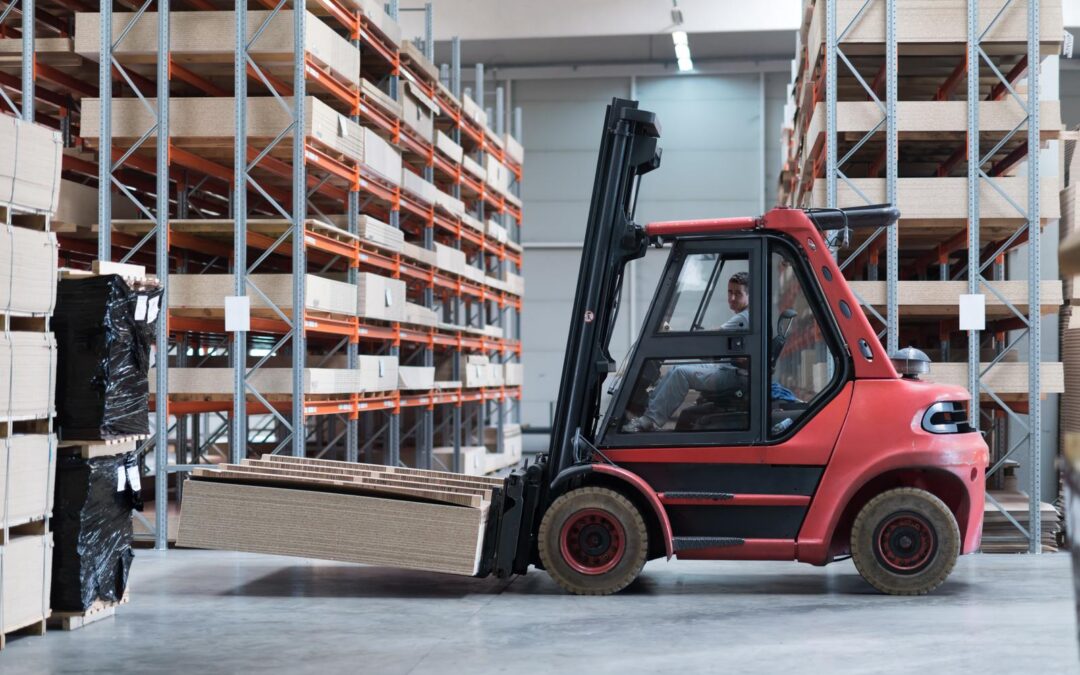
Managing a material handling fleet across a massive distribution center is a complex operational challenge. Facilities that rely on unstructured or reactive equipment care face severe risks, including unexpected breakdowns, stalled loading docks, and rapidly escalating repair costs. Implementing a structured forklift maintenance plan Utah facilities can depend on is essential for protecting your supply chain and maximizing warehouse productivity.
We understand that material handling equipment plays a critical role in your daily operations. Our focus is on providing reliable forklift maintenance and repair services that help keep your equipment safe, functional, and ready when you need it. By partnering with JTS Forklift Service, operations leaders can transition from expensive emergency repairs to a predictable, proactive equipment maintenance strategy.
Why Every Utah Distribution Center Needs a Maintenance Plan
Operating material handling equipment in the Mountain West requires navigating distinct logistical and environmental hurdles. High equipment usage is the standard across local distribution centers, with many facilities running demanding multi-shift operations. This continuous heavy lifting accelerates mechanical wear on drivetrain components, hydraulic systems, and industrial batteries.
Furthermore, seasonal demand fluctuations place intense pressure on warehouse fleets during peak shipping periods. Facilities must ensure their machinery is fully operational before these massive volume spikes occur. Environmental factors also play a massive role, as severe cold weather, abrasive dust, and extreme usage variability constantly threaten equipment reliability. A dedicated maintenance plan actively mitigates these regional operational risks.
What Makes a Forklift Maintenance Plan Effective?
A successful Utah warehouse maintenance planning initiative requires more than just calling a mechanic when a machine breaks. True effectiveness is built on strict operational consistency. Routine evaluations and fluid checks must happen on a dependable schedule, ensuring that minor mechanical wear is addressed long before it causes a catastrophic failure on the warehouse floor.
Proactive scheduling allows facility managers to coordinate necessary repairs during planned off-peak hours, minimizing workflow disruption. Data-driven decisions are equally critical, as tracking operating hours and recurring fault codes helps optimize service intervals. Finally, an effective maintenance plan must be adaptable, allowing for adjustments in service frequency in response to seasonal demands or changes in facility throughput.
Step-by-Step Framework: Forklift Maintenance Plan Utah
Creating a resilient equipment maintenance strategy requires a methodical, operations-focused approach. Follow this structured framework to establish a reliable plan for your facility.
Step 1: Assess Your Fleet and Usage Patterns
The foundation of any good program is a comprehensive understanding of your existing equipment. Begin by documenting the total number of forklifts in your facility, categorizing them by power type, make, and model.
Next, evaluate the exact usage hours and operational demands placed on each machine. A high-capacity reach truck operating continuously on the loading dock requires a drastically different service timeline than a small pallet jack used occasionally in a staging area.
Step 2: Establish Inspection and Maintenance Schedules
Consistent oversight is the most effective way to prevent unexpected equipment downtime. Mandate daily operator inspections before every single shift to verify that brakes, steering, and vital fluid levels are secure.
Combine these daily checks with deeper weekly evaluations of mast chains, hydraulic hoses, and tire condition. For detailed guidance on structuring these essential routines, review our comprehensive overview on creating a forklift maintenance schedule.
Step 3: Define Technician Service Intervals
While operators handle daily checks, certified mechanics must manage complex mechanical upkeep. Define strict technician service intervals based on actual equipment operating hours rather than arbitrary calendar dates.
Routine service visits should typically occur every 200 to 250 hours for heavily used internal combustion machines. Adjust these preventive maintenance timing intervals as needed, increasing the frequency of service visits for machinery used in heavy-lifting applications.
Step 4: Implement Fleet Tracking and Performance Monitoring
You cannot optimize what you do not measure. Implementing a robust fleet-tracking system enables you to monitor the exact hours of use for every machine in your facility.
This data helps maintenance coordinators identify recurring mechanical issues and track the long-term condition of aging equipment. Closely monitoring system performance lets you rotate heavily used machines, preventing any single unit from bearing the brunt of your facility’s workload.
Step 5: Plan for Seasonal and Environmental Factors
Your forklift service schedule in Utah must account for the region’s harsh environmental conditions. Prepare your fleet for cold-weather startup challenges by switching to lower-viscosity hydraulic fluids and testing industrial batteries before winter arrives.
Similarly, adjust your maintenance frequency to accommodate seasonal demand increases. Ensuring all machinery receives comprehensive servicing immediately prior to your busiest shipping months prevents disruptive breakdowns when your loading docks are at maximum capacity.
Step 6: Build a Preventive Maintenance Strategy
The ultimate goal of your planning framework is to reduce total downtime. Establish a strategy that focuses heavily on proactive part replacement, swapping out brittle belts and worn brake pads before they physically break.
Prioritize rigorous fluid and battery maintenance to protect the core power systems of your machinery. You can explore the specific operational benefits of these practices in our guide to forklift preventative maintenance in Utah.
Common Mistakes to Avoid
Even well-intentioned operations managers occasionally implement flawed frameworks. Avoiding these common logistical errors protects your facility from unnecessary liability and wasted budget.
- Relying on reactive services: Waiting for a forklift to completely break down before calling a mechanic guarantees severe workflow disruption and exorbitant emergency repair costs.
- Inconsistent inspections: Allowing operators to frequently skip their daily pre-shift safety checks endangers your workforce and directly violates strict OSHA compliance expectations.
- Lack of documentation: Failing to track maintenance logs makes it impossible to verify regulatory compliance or identify systemic mechanical failures across your fleet.
- Ignoring usage data: Servicing all machines on the exact same calendar date, regardless of their actual operating hours, results in dangerously under-serviced primary equipment and over-serviced secondary machinery.
How a Structured Maintenance Plan Reduces Downtime and Costs
The financial health of your distribution center is directly tied to the reliability of your equipment. A structured maintenance plan helps ensure early issue detection, allowing technicians to resolve a weeping hydraulic seal before it destroys the entire pump. Resolving these minor issues proactively translates directly to fewer unexpected failures on the warehouse floor.
Preventing breakdowns keeps your supply chain highly efficient and eliminates the massive labor inefficiencies caused by idled warehouse workers. Furthermore, scheduled servicing creates highly predictable maintenance budgets. Financial planners can accurately forecast their annual expenses, completely eliminating the budget shock associated with massive, emergency mechanical rebuilds.
How JTS Forklift Service Supports Maintenance Planning in Utah
Because forklift downtime can disrupt productivity, we prioritize responsive service and clear communication. JTS Forklift Service delivers the technical competence and strategic oversight required to optimize your distribution center operations. We specialize in designing and executing customized preventive maintenance programs tailored exactly to your facility’s unique usage patterns.
Our highly experienced technicians arrive equipped with the advanced diagnostic tools necessary to support broad equipment expertise. With our 24/7 mobile service, we bring the repair shop directly to your facility, drastically reducing the time your equipment spends out of commission. Professional service improves your plan execution, ensuring your fleet maintains safe, reliable performance year-round.
We encourage facility managers to evaluate our technical capability and dedication to long-term customer support by exploring our complete range of forklift services. You can also verify our proven track record of reliable technical interventions by reading our Google reviews or visiting our dedicated reviews page.
Why Local Expertise Matters in Utah Distribution Centers
Effective maintenance requires a deep understanding of the specific operational realities of the Mountain West. Our team understands exactly how severe seasonal weather can affect fluid viscosity, battery health, and engine performance. This familiarity with Utah warehouse operations enables us to deliver highly targeted, practical solutions to your material handling challenges.
A strong regional presence also guarantees faster response times when unexpected emergency breakdowns occur. We possess the critical ability to adapt our strategies directly to regional conditions, protecting your capital investments from environmental stress. To learn more about our localized technical capabilities, visit our dedicated Utah service operations page.
FAQs: Forklift Maintenance Plan Utah
What should be included in a forklift maintenance plan?
A comprehensive plan must include mandatory daily operator safety inspections, usage-based service intervals, scheduled fluid replacements, and a strict system for documenting all maintenance and repair services.
How often should forklifts be serviced?
Service intervals depend entirely on the equipment’s operating hours and environmental conditions. Generally, heavily utilized internal combustion forklifts require professional preventive maintenance every 200 to 250 hours of active operation.
How do I track maintenance effectively?
Effective tracking requires utilizing digital fleet management software or detailed physical maintenance logs. Managers must consistently record the service date, operating hours, specific repairs completed, and the technician responsible for the work.
Is preventive maintenance worth the investment?
Yes. The scheduled cost of proactive care is substantially lower than the combined financial burden of emergency mechanic dispatch, expedited replacement parts, and the massive productivity loss caused by sudden equipment downtime.
Contact JTS Forklift Service Today!
Managing a high-volume distribution center requires technical foresight, strict safety compliance, and highly dependable equipment support. Building a comprehensive forklift maintenance plan Utah facilities can trust empowers operations managers to protect their capital investments and maintain reliable shipping throughput. By embracing usage-based scheduling, routine technical inspections, and proactive part replacements, you can successfully eliminate unexpected downtime and drive consistent warehouse productivity.
JTS Forklift Service serves as your dependable, long-term maintenance partner. We deliver the proactive care, operational oversight, and rapid emergency response necessary to keep your fleet fully operational in a demanding industrial environment. If your facility is ready to optimize its equipment maintenance strategy and reduce long-term operating costs, contact JTS Forklift Service today to discuss our comprehensive solutions.
GET IN TOUCH WITH JTS FORKLIFT SERVICE