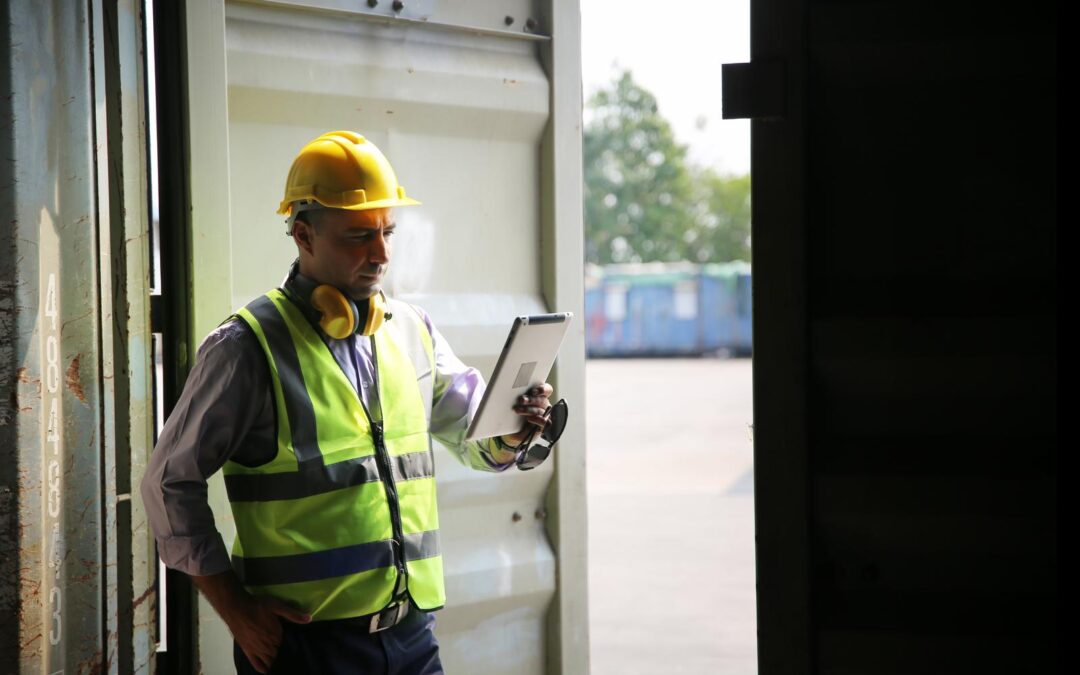
Managing a warehouse in Utah comes with unique challenges, from navigating sloped industrial yards in Sandy to handling temperature fluctuations in Logan cold storage facilities. Amidst the daily hustle to meet productivity targets, safety can sometimes take a backseat to speed. However, ignoring equipment condition is a dangerous gamble. Not only does it jeopardize your crew, but it also invites costly citations and downtime. By identifying common forklift safety violations early, you can protect your team and your bottom line.
Maintaining Utah warehouse compliance isn’t just about passing an inspection; it’s about ensuring your fleet can handle the workload safely. Many of the most frequent citations issued in our state stem from preventable mechanical issues that could have been caught with a simple pre-shift inspection. Whether you operate a single electric pallet jack or a massive fleet of internal combustion forklifts, staying ahead of these issues is critical for operational success.
Disclaimer: This blog is for informational purposes only and is not a substitute for professional safety, maintenance, or compliance advice. For help inspecting equipment, addressing forklift safety concerns, or preparing for OSHA-related requirements, contact a qualified professional such as JTS Forklift Service.
Why These Forklift Issues Lead to Citations and Downtime
It is easy to overlook a small hydraulic drip or a slightly worn fork heel when orders are piling up. Yet, these minor mechanical defects are often the precursors to significant accidents. OSHA requires that all industrial trucks remain in safe operating condition; if a defect is found, the equipment must be taken out of service until repaired.
Ignoring these signs leads to a cycle of reactive maintenance. Instead of a planned repair during downtime, you face an unexpected breakdown during a peak shift. Furthermore, forklift safety violations are often cited because a facility failed to document that a defect was found and addressed. In the eyes of an inspector, if it wasn’t documented, it didn’t happen. A proactive approach ensures that safe equipment condition, operator awareness, and rigorous documentation work together to keep your facility running smoothly.
Top 3 Forklift Safety Violations
Over the years, we have noticed recurring patterns of equipment neglect across Utah. The following list highlights the top three forklift safety violations we encounter, along with how you can prevent them.
1. Brake Issues and Failure Risks
A forklift weighing several tons cannot stop on a dime, especially with a heavy load. Brake systems are critical, yet they are often pushed to the limit.
- What it looks like: Operators having to push the pedal to the floor to stop, the lift drifting on an incline, or a grinding noise during deceleration.
- Why it’s risky: If brakes fail on a ramp or in a busy aisle, a collision is almost guaranteed, risking severe injury to pedestrians and drivers.
- OSHA Expectation: Service brakes and parking brakes must be fully functional. If they are not, the truck must be removed from service.
- How to prevent it: Discourage “plugging” (using the transmission to stop) and ensure regular brake shoe and drum inspections.
- Quick signs to catch early:
- Spongy pedal feel
- Squealing or grinding noises
- The forklift pulls to one side when braking
2. Fork Damage and Wear
Forks endure immense stress, dragging across concrete floors and lifting heavy pallets thousands of times a year.
- What it looks like: Thinned fork heels (the 90-degree bend), cracks near the shank, or bent tips that don’t align.
- Why it’s risky: A snapped fork can cause a load to drop, leading to product loss or crushing injuries. Uneven forks can destabilize loads at height.
- OSHA Expectation: Forks must be inspected for wear, cracks, and straightness. Wear of more than 10% on the heel requires immediate replacement.
- How to prevent it: Train operators not to drag forks on the ground and to avoid “bulldozing” loads.
- Quick signs to catch early:
- Uneven fork tips
- Visible surface cracks
- The heel looks noticeably thinner than the upright shank
3. Hydraulic Leaks and Lift Chain Wear
The hydraulic system is the muscle of the machine, while the chains provide the lifting security. Neglect here is common but dangerous.
- What it looks like: Puddles of fluid under the parked truck, “drifting” (forks slowly lowering on their own), or rust and distinct wear patterns on lift chains.
- Why it’s risky: Hydraulic failure leads to loss of control over the load. Worn chains can snap, causing the carriage to plummet.
- OSHA Expectation: Hydraulic systems must be free of leaks, and lift chains must be maintained within allowable wear limits.
- How to prevent it: Address leaks immediately rather than just topping off fluid. Keep chains lubricated and tensioned correctly.
- Quick signs to catch early:
- Oil spots on the warehouse floor
- Jerky lifting motion
- Chains that sag loosely when forks are lowered
OSHA Forklift Checklist Utah (Pre-Shift Checks That Help Prevent Violations)
One of the most effective ways to avoid citations is implementing a rigorous OSHA forklift checklist Utah operators must complete before every shift. If any of the following items fail inspection, the machine should be tagged out immediately.
- Brakes: Test service brakes and parking brakes. Ensure there is no drift.
- Forks: Check for cracks, bends, and heel wear. Ensure locking pins are secure.
- Hydraulics: Look for visible leaks on hoses and cylinders. Test lift/tilt controls for smooth operation and drift.
- Chains and Mast: Inspect chain tension and look for rust or dry links. Ensure the mast extends smoothly without binding.
- Tires: Check for chunks of rubber missing, excessive wear, or embedded debris.
- Safety Devices: Test the horn, headlights, and backup alarm; ensure the data plate is legible.
Note: Never operate a forklift that fails a safety check. Remove it from service and tag it out until a qualified technician repairs it.
Avoid OSHA Citations With Proactive Maintenance & Documentation
Preventing forklift safety violations goes beyond fixing broken parts; it requires a culture of documentation and planned care. OSHA inspectors don’t just look at the truck; they look at your records. Proactive maintenance is the backbone of Utah warehouse compliance, proving that you are taking active steps to ensure safety.
To stay compliant, you must maintain records of scheduled inspections, service repairs, and operator training refreshers. Utilizing a standardized OSHA forklift checklist Utah teams can easily access ensures consistency across all shifts.
Documentation Tips for Compliance:
- Assign Responsibility: Designate a shift supervisor to verify that checklists are completed daily.
- Centralize Records: Keep all pre-shift inspection sheets and maintenance logs in a central, accessible location (digital or physical).
- Log Repairs: When a defect is noted, document exactly when and how it was fixed before the truck returned to service.
- Keep History: Retain service records for at least 1 year (or per the specific company/OSHA policy) to document a history of care.
- Escalate Issues: Create a clear process for operators to report unsafe conditions without fear of reprisal.
When to Contact JTS Forklift Service
Knowing when to call in the experts is vital for maintaining a safe facility. While daily checks can catch visible issues, deep mechanical problems require professional diagnostics. You should contact a professional if you notice sudden changes in brake performance, suspect fork damage that requires caliper measurement, or see persistent hydraulic leaks.
Additionally, if you are scaling up operations or preparing for an audit, it is wise to bring in a partner to ensure strict compliance with Utah warehouse regulations. Repeated checklist failures are a sign that your fleet needs more than just a quick fix—it needs a comprehensive maintenance strategy.
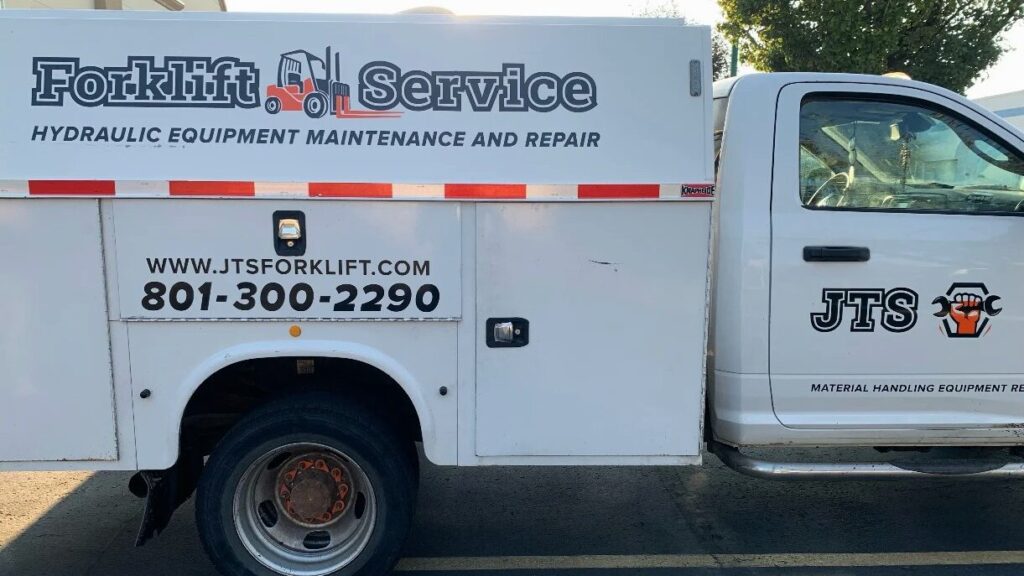
As your trusted Utah forklift service partner, JTS Forklift Service can help you identify and resolve these issues before they become liabilities. Our team specializes in comprehensive fleet maintenance that keeps your equipment safe and your documentation audit-ready.
Thanks for Reading!
The most common forklift safety violations in Utah warehouses (brake failures, fork damage, and hydraulic neglect) are almost entirely preventable. By committing to rigorous daily checks and partnering with maintenance experts, you protect your workers and ensure your operations run without interruption.
Don’t wait for an accident to reveal a problem. Prioritize safety today to secure your success tomorrow. Contact the team at JTS Forklift Service to schedule a consultation or maintenance service and keep your operations running smoothly.
GET IN TOUCH WITH JTS FORKLIFT SERVICE