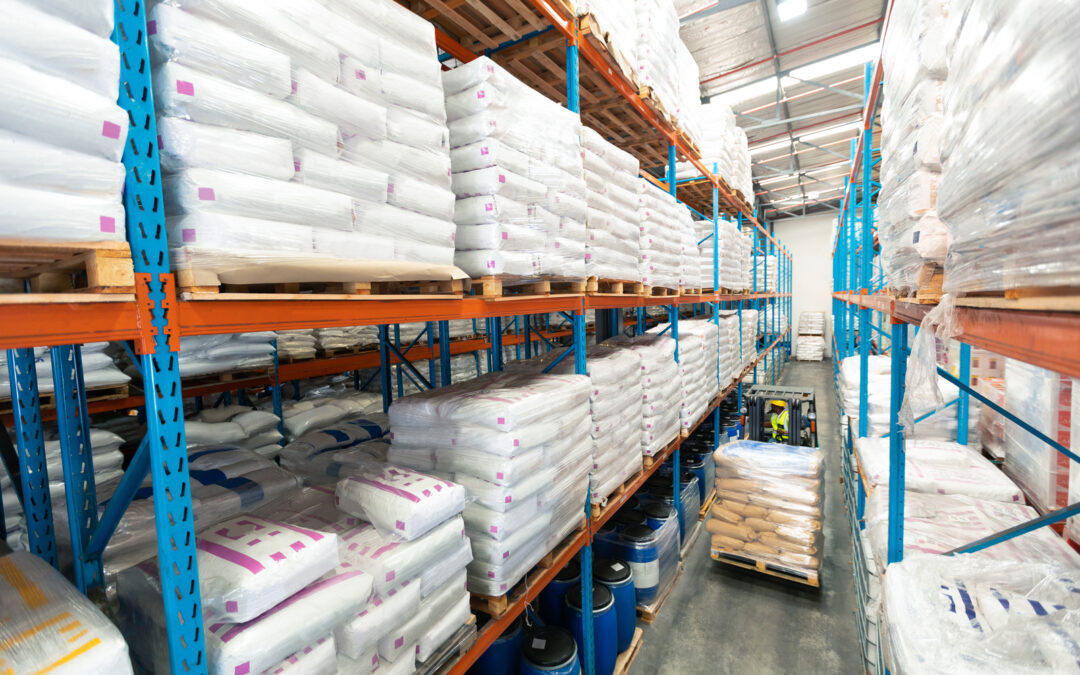
In a commercial warehouse or distribution center, material handling equipment is more than just machinery; it is the backbone of productivity. Forklifts are simultaneously production tools and safety-critical devices. When they operate smoothly, throughput targets are met, and safety compliance is maintained. However, when performance degrades, the costs extend far beyond the mechanic’s invoice; downtime, safety risks, and operational bottlenecks quickly escalate.
At JTS Forklift Service, we recognize that reliable equipment is essential for commercial success. Managing a fleet effectively requires understanding the distinct difference between preventive care and reactive fixes. This guide breaks down forklift service and repair for operations leaders, clarifying what each entails, recognizing early warning signs, and explaining how professional support models can stabilize your facility’s performance.
What Forklift Service and Repair Means (And Why the Difference Matters)
While often grouped together, forklift service and repair are fundamentally different approaches to fleet management. Understanding the distinction is critical for accurate budgeting, scheduling, and downtime prevention.
- Service (Preventive Maintenance): This refers to planned, scheduled interventions designed to maintain the equipment’s current state of health. It involves inspections, fluid changes, lubrication, and adjustments. The goal of service is to prevent failure before it happens.
- Repair (Reactive Maintenance): This occurs when a component has failed or is performing outside of safe limits. A repair involves diagnosing a specific problem, like a leaking cylinder or a dead battery, and correcting it to restore functionality.
The difference matters because service is predictable and budget-friendly, while repairs are often unexpected and costly. By prioritizing planned service, operations can significantly reduce the frequency and severity of emergency repairs, ensuring compliance with safety regulations and maintaining steady throughput.
Preventive & Planned Forklift Services Explained
Forklift service is proactive. It is typically scheduled based on the equipment’s duty cycle, specifically, the number of operating hours. Much like a car needs an oil change every few thousand miles, a forklift requires service intervals (often every 200–250 hours) to address wear and tear generated during operation.
A typical service visit focuses on maintaining systems that degrade over time. This includes:
- Fluid and Filter Management: Changing engine oil, hydraulic fluid, and filters to keep systems clean and cool.
- Lubrication: Greasing mast channels, chains, and steer axles to prevent metal-on-metal grinding.
- Inspections: Checking for cracks in forks, tire wear, and the integrity of overhead guards.
- Adjustments: Tighten chains, adjust brakes, and ensure pedal travel is within spec.
By sticking to a rigorous service schedule, you catch small issues before they snowball. For example, a service technician might notice a hydraulic hose rubbing against the mast during a routine inspection. Adjusting that hose takes five minutes during a planned stop; ignoring it will result in a hose burst, a massive oil spill, and four hours of downtime next week.
Reactive Forklift Repairs Explained
Despite the best preventive efforts, components eventually fail. Repairs address these failures. Common causes of repairs include normal age-related wear, environmental factors such as dust or heat, electrical faults, and occasional operator misuse.
The repair process is distinct from service because it starts with a symptom rather than a schedule.
- Diagnosis: The technician investigates a reported issue (e.g., “unit won’t lift”) to identify the root cause.
- Correction: The failed part is repaired or replaced.
- Verification: The unit is tested to ensure the problem is resolved and safety is restored.
Continuing to operate a forklift that needs repair (ignoring a noise or a leak) drastically increases both the final repair bill and the safety risk to your employees.
Differentiating Between Service Needs & Repair Issues
Recognizing early warning signs can help you distinguish between a unit that needs a routine check-up and one that requires immediate intervention.
Brakes:
- Service: Routine adjustment of pedal travel and checking fluid levels.
- Repair: Grinding noises, pulling to one side, or significantly longer stopping distances indicate worn shoes or drums needing replacement.
Tires/Traction:
- Service: Inspecting for debris and monitoring wear patterns.
- Repair: Chunking (missing rubber pieces), flat spots causing vibration, or tires worn beyond the safety line require replacement.
Hydraulics:
- Service: Checking fluid levels and inspecting hoses for rubbing.
- Repair: “Drifting” (forks lowering on their own), sluggish lifting speeds, or visible fluid leaks on cylinder rods indicate seal failure.
Steering/Controls:
- Service: Greasing steer axles and checking linkages.
- Repair: Excessive play in the steering wheel, hard steering, or fault codes related to electronic steering assist.
Power/Charging:
- Service: Watering batteries (electric) or checking tank seals (propane).
- Repair: Inconsistent acceleration, sudden battery discharge, or hot-to-the-touch connectors indicate internal component failure.
Safety Note: If any equipment feels unsafe or behaves unpredictably, the operator should immediately tag it out and report it to management.
When to Call a Professional (And What to Do First)
Certain triggers require immediate professional attention to prevent catastrophic failure or injury. You should call for support if you observe visible fluid leaks, repeated fault codes that do not clear, power loss under load, or any issues with braking or steering instability.
Before you call, gathering a few key details will help speed up the support process:
- Identification: The forklift’s make, model, and serial number (or internal unit ID).
- Usage: Current hour meter reading.
- Symptoms: Specific description of what is happening and when it occurs (e.g., “only happens when lifting heavy loads”).
- Codes: Any fault codes or warning lights displayed on the dash.
- Status: The current location of the forklift and confirmation that it is tagged out.
Professional Support Options for Commercial Fleets
Commercial operations have different needs depending on fleet size and intensity. Professional providers typically offer flexible support models to match these requirements.
- On-Demand Repairs: This is reactive support for breakdowns. A technician is dispatched when a unit goes down. While necessary, relying solely on this model leads to unpredictable costs.
- Preventive Maintenance Plans: These are structured agreements where a provider schedules visits based on your usage. This ensures consistency and compliance.
- Inspections and Documentation: For regulated industries, having a third party validate the safety of your fleet provides an essential audit trail.
- Fleet Standardization: A professional partner tracks recurring issues by unit number, helping you identify “problem trucks” that are costing more to maintain than they are worth.
To explore how these options can be tailored to your operation, review JTS forklift services and maintenance options.
How to Reduce Total Cost & Downtime
Reducing the total cost of ownership isn’t about cutting corners on maintenance; it’s about aligning your forklift service and repair strategy with reality.
First, move away from calendar-only maintenance if your fleet is highly utilized. A truck running three shifts needs service far more often than one running a single shift. Aligning service frequency with actual operating hours prevents accelerated wear.
Second, train your operators to report symptoms consistently. A “noisy brake” reported on Tuesday is a cheap adjustment; a “failed brake” reported on Friday is an expensive replacement. Finally, avoid the “run it until it breaks” culture. Proactive replacement of wear items during scheduled downtime is always cheaper than emergency repairs during peak production.
How JTS Forklift Service Helps Commercial Operations
At JTS Forklift Service, we view ourselves as operational partners, not just mechanics. Our approach is grounded in practicality and reliability. We focus on rigorous preventive service planning to minimize interruptions before they happen. When repairs are necessary, our responsive diagnostics team works efficiently to identify the root cause and implement a lasting fix. By providing clear documentation and consistent support, we help commercial fleets maintain high uptime and strict safety compliance without the guesswork.
Learn More & Stay Informed
Understanding the technical nuances of your fleet can empower better decision-making. For deeper dives into specific maintenance topics and operational best practices, visit our Knowledge Hub.
Staying informed on industry trends and safety tips is also valuable for operations leaders. You can find regular updates and insights by following JTS Forklift Service on LinkedIn.
Thanks for Reading!
For commercial operations, the distinction between forklift service and repair is more than semantics; it is the difference between planned productivity and costly chaos. By prioritizing preventive service and addressing repair needs early, facility leaders can control downtime, manage budgets effectively, and ensure a safer workplace.
If you are ready to stabilize your fleet’s performance, contact the team at JTS Forklift Service today to discuss a preventive maintenance plan or request diagnostic support for your equipment.
GET IN TOUCH WITH JTS FORKLIFT SERVICE