
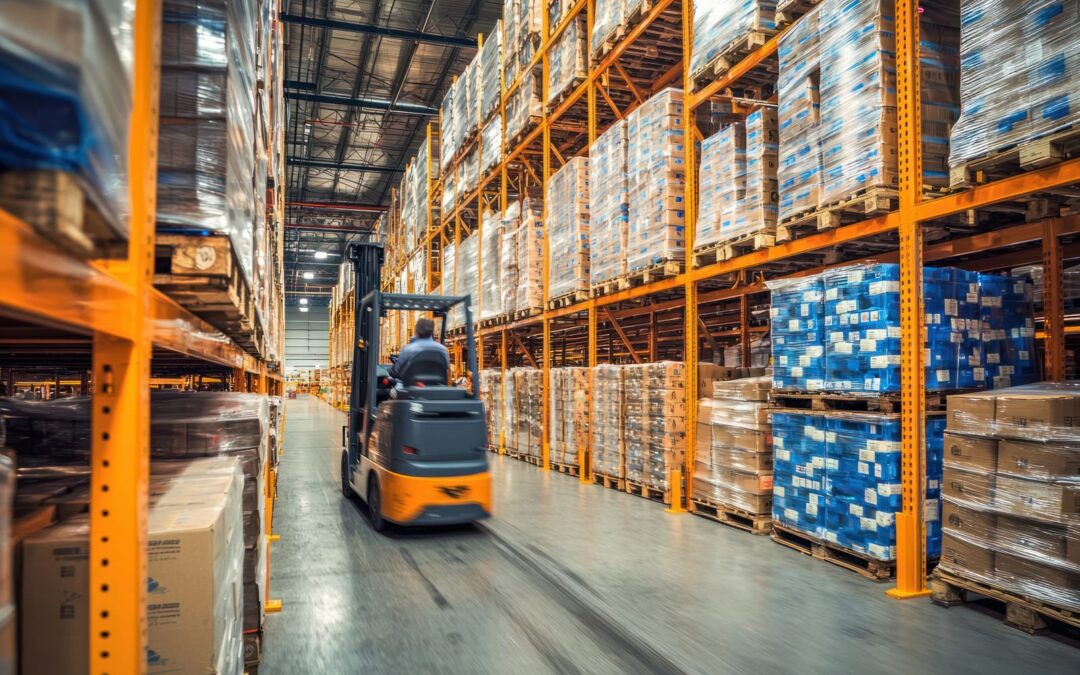
In a multi-shift operation, every piece of equipment counts. For businesses with tight shipping windows and high-demand schedules, forklifts are the workhorses that keep products moving. But when a truck runs continuously, small issues can quickly escalate into major downtime events. A consistent, thorough forklift servicing program is not just good practice; it is essential to maintaining operational momentum. With professional support from providers like JTS Forklift Service, you can establish a maintenance rhythm that protects your assets and your productivity.
This guide provides practical best practices for servicing high-use forklifts. We will cover routine inspections, fluid checks, and safety measures that help reduce unexpected failures and extend the life of your most critical equipment.
Why Forklift Servicing Matters More for High-Use Equipment
The more a forklift runs, the faster its components wear down. High-cycle applications accelerate wear across components ranging from brakes and tires to hydraulic systems and mast chains. Continuous operation generates more heat, places greater stress on steering components, and taxes the electrical system.
Regular forklift servicing directly impacts key business outcomes. It ensures a safer work environment for your team, keeps your fleet compliant for inspections, and delivers predictable uptime. By addressing wear before it leads to failure, you extend the functional life of major components and avoid the high cost of emergency repairs.
Forklift Servicing Basics: What “Routine” Should Include
Effective forklift servicing goes beyond just a quick visual check. A routine program should cover several core categories to provide a complete picture of equipment health. These include:
- Visual Inspections: Checking for frame damage, leaks, fork integrity, and tire condition.
- Fluid Checks: Monitoring engine oil, hydraulic fluid, and coolant levels and condition.
- Lubrication: Applying grease to critical points like mast channels, chains, and the steer axle.
- Safety Devices: Testing the horn, lights, travel alarms, seatbelt, and overhead guard.
- Functional Checks: Assessing brake performance, steering response, and the smoothness of lift and tilt functions.
The most important part of this process is documentation. Recording findings allows your team to spot trends, identify recurring problems, and proactively adjust service schedules.
A Practical Service Rhythm for High-Use
For equipment that runs hard, a tiered inspection schedule is the most effective way to catch issues early. A structured rhythm ensures that operators identify small problems before they become larger problems for managers.
Daily (Operator Pre-Shift)
The operator is the first line of defense. Before every shift, they should perform a quick walkaround inspection that includes:
- Checking safety devices like the horn, lights, and alarms.
- Testing the brake feel and steering response.
- Looking for visible fluid leaks on the floor.
- Noting tire condition and looking for obvious damage to the forks or mast.
- Reporting any issues and tagging the unit out of service if it feels unsafe.
Weekly (Lead/Supervisor)
A supervisor or team lead should conduct a slightly more detailed check each week to spot developing trends.
- Look for uneven tire wear patterns or reports of vibration.
- Check the condition and lubrication of the lift chains.
- Review operator logs for reports of hydraulic drift or leaks.
- Identify “problem trucks” that have recurring issues.
Monthly (Maintenance Lead/Service Partner)
A more in-depth mechanical review should be performed by a maintenance lead or a professional service partner.
- Perform a deeper brake inspection and make adjustments as needed.
- Examine mast rollers, guides, hoses, and fittings for wear.
- Check electrical connectors for corrosion and review any stored fault codes.
- Review service records to adjust maintenance intervals based on actual usage hours.
Fluid Checks That Prevent Expensive Failures
Fluids are the lifeblood of a forklift. They cool the engine, power the hydraulics, and lubricate moving parts. In high-use equipment, heat and heavy workloads can break down fluids more quickly, reducing their ability to protect components.
While operators can and should check for visible leaks, a technician should handle fluid top-offs and changes. It is crucial to follow manufacturer specifications for fluid types and to never mix different kinds of fluids, as this can cause seal damage or system failure. Cleanliness is just as important as the level; dirty or contaminated fluid indicates internal wear and requires professional attention. A proper forklift servicing plan always includes fluid analysis.
Safety Checks That Should Never Be Skipped
Certain components are so critical to safety that they require continuous monitoring. No forklift should be operated if any of these systems are compromised.
- Brakes: The service and parking brakes must function correctly without pulling or fading.
- Forks and Mast: Forks must be free of cracks, bends, and excessive wear, and their locking pins must engage properly. The load backrest and overhead guard must be secure.
- Steering: There should be no excessive play or looseness in the steering system.
- Safety Devices: All alarms, lights, and the seatbelt must be present and functional.
Remember the cardinal rule: if a forklift feels unsafe for any reason, tag it out and report the issue immediately. No deadline is worth compromising operator safety.
Signs Your Service Interval Is Too Long
How do you know if your service schedule is frequent enough? Your equipment will tell you. If you notice any of these symptoms across your fleet, it may be time to shorten your forklift servicing intervals:
- Longer stopping distances or brake fade under load.
- Sluggish lifting, visible hydraulic leaks, or loads that drift downward.
- Unusual vibrations or looseness in the steering wheel.
- Recurring fault codes or warning lights on the dashboard.
- A noticeable drop in power or issues with battery charging.
These are all signs that components are degrading faster than your current schedule allows for.
When to Call a Professional
While daily checks can be handled in-house, certain issues require the diagnostic tools and expertise of a trained technician. Call a professional if you observe brake problems, hydraulic leaks, steering instability, or recurring fault codes.
To help the technician diagnose the issue faster, have this information ready:
- The forklift’s make, model, and serial number.
- The hour meter reading.
- A clear description of the symptoms.
- Any fault codes displayed on the dash.
- The unit’s location and safety status (is it tagged out?).
Having a reliable partner like JTS Forklift Service on call helps minimize downtime when these issues arise in high-use fleets.
Professional Support Options from JTS Forklift Service
At JTS Forklift Service, we offer flexible support models tailored to your operations’ demands. Our scheduled preventive maintenance plans are designed to match your fleet’s duty cycle, while our on-demand repair services address unexpected breakdowns efficiently. We provide comprehensive forklift maintenance with detailed documentation, helping you track recurring issues and manage your fleet more effectively.
Mobile Support and 24/7 Availability
JTS Forklift Service delivers expert on-site support across Utah and Arizona. Our mobile technicians are equipped to perform repairs at your facility, minimizing transport time and getting your equipment back online faster. For urgent issues that can’t wait, we offer 24/7 mobile service to reduce operational interruptions and keep your business moving.
Thanks for Reading!
In high-use environments, consistent forklift servicing is a direct investment in uptime, safety, and equipment longevity. By establishing a rhythm of daily, weekly, and monthly checks, you empower your team to catch problems early and reduce the risk of costly, production-halting breakdowns.
If you need help establishing a service cadence or require professional support for your high-use fleet, we are here to help. Contact our team today to discuss your forklift servicing needs with a JTS Forklift Service specialist.
GET IN TOUCH WITH US TODAY