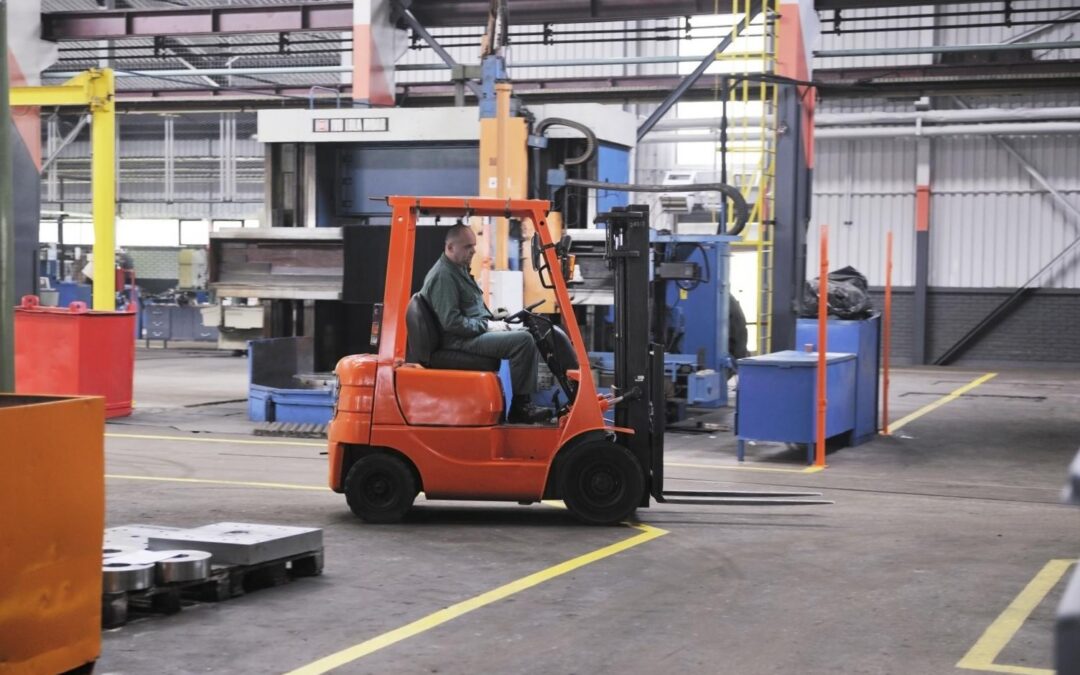
Arizona distribution centers operate under immense pressure, balancing high-volume logistics demands with some of the harshest environmental conditions in the country. When material handling equipment fails due to intense desert heat or heavy usage, the resulting downtime immediately disrupts facility productivity and drives up operational costs. Implementing a structured preventive forklift maintenance program is a strategic solution to protect your fleet, optimize workflow, and keep your supply chain moving.
We understand that material handling equipment plays a critical role in your daily operations. JTS Forklift Service focuses on providing reliable forklift maintenance and repair services that help keep your equipment safe, functional, and ready when you need it. By transitioning from reactive repairs to a proactive fleet management strategy, operations leaders can effectively conquer the demands of the desert and maximize their operational efficiency.
What Is Preventive Forklift Maintenance?
Preventive forklift maintenance involves executing scheduled, routine servicing and comprehensive inspections to maintain safe operation and extend equipment lifespan. Rather than waiting for a machine to break down on the warehouse floor, this proactive approach identifies minor component wear before it escalates into a catastrophic mechanical failure. It shifts the operational focus from emergency response to predictable equipment care.
The difference between proactive and reactive repairs fundamentally comes down to operational control. Reactive repairs force warehouse managers to halt workflows unexpectedly, scramble for backup equipment, and pay premium rates for emergency mechanic dispatch. Conversely, proactive maintenance aligns with your facility’s schedule, ensuring necessary servicing occurs during planned off-peak hours to maintain uninterrupted warehouse efficiency.
Why Preventive Forklift Maintenance Is Critical in Arizona
Operating a material handling fleet in the Southwest introduces unique environmental and logistical hurdles. Implementing preventive forklift maintenance Arizona distribution centers can depend on is essential for overcoming these regional challenges. High-volume operations naturally push drivetrains, hydraulic systems, and industrial batteries to their physical limits, demanding frequent and thorough technical oversight.
Extreme heat acts as a powerful catalyst for mechanical breakdowns, accelerating wear on electrical wiring, hydraulic seals, and cooling systems. Furthermore, pervasive airborne dust and debris infiltrate vital engine components, creating an unforgiving environment that pushes machinery to its absolute physical limits. These constant environmental stressors make regular, scheduled servicing an absolute operational necessity.
The Impact of Arizona Conditions on Maintenance Needs
Effective forklift maintenance in the desert climate requires a clear understanding of the specific threats your equipment faces. Facility managers must remain vigilant regarding three primary areas of operational concern.
Heat-Related Wear and Component Stress
High ambient temperatures fundamentally alter the operation of industrial machinery. Continuous operation in hot environments prevents power sources and engines from properly shedding excess heat during active shifts. This persistent heat-related equipment stress causes hydraulic fluids to thin out, bakes rubber O-rings until they crack, and severely degrades the internal chemistry of expensive electric forklift batteries.
Dust Contamination and Filter Degradation
Airborne dust is a constant, unavoidable threat in dry climates. Fine particulates act as a relentless abrasive on exposed carriage rollers, steering axles, and mast chains. This environmental contamination quickly leads to clogged air filters, severely reducing airflow, suffocating internal combustion engines, and forcing cooling systems to work twice as hard to manage thermal loads.
High-Usage Equipment Cycles
Fulfillment centers in the region frequently run continuous, multi-shift schedules to meet tight shipping deadlines. This constant usage translates directly to increased mechanical friction and rapid component degradation. When high-usage cycles are combined with extreme desert conditions, equipment that is not properly maintained will inevitably fail at precisely the moment it is needed most.
Preventive Maintenance Framework for Arizona Distribution Centers
Protecting your equipment from extreme conditions requires a proactive, operationally focused framework. Operations managers can build a resilient maintenance program by implementing the following structured pillars:
- Equipment usage tracking: Base your service intervals on actual operating hours rather than arbitrary calendar dates. Tracking engine hours ensures that heavily utilized machines receive precise, timely technical support.
- Service interval planning: Coordinate with your maintenance provider to schedule complex servicing during your facility’s slowest periods. This strategic planning minimizes workflow disruption and maintains overall fleet availability.
- Inspection routines: Mandate daily pre-shift safety checks for all operators. Combine these daily checks with deeper weekly and monthly mechanical evaluations performed by certified technicians.
- Performance monitoring: Train staff to recognize and report early warning signs of equipment distress, such as sluggish hydraulic lifting, unusually fast battery drain, or elevated engine temperature gauges.
Key Preventive Strategies for Desert Environments
Adapting to the desert climate requires adjusting your daily upkeep and operational patterns. Implementing heat-adjusted maintenance schedules is critical during the peak summer months. Facilities must accelerate their service timelines, as standard maintenance baselines are typically designed for temperate, climate-controlled environments rather than intense desert heat.
Frequent filter replacements and routine fluid checks are the most effective defense against dust and thermal stress. Technicians must actively monitor the electric battery water levels and cooling system pressure to prevent sudden overheating events. Furthermore, proactive component replacement helps ensure that brittle hoses and worn belts are replaced before they compromise workplace safety.
For detailed insights on timing these critical interventions, review our guide on determining proper forklift service frequency.
How Preventive Maintenance Improves Uptime and Reduces Costs
The primary goal of proactive servicing is to prevent total downtime. Catching minor mechanical wear early prevents sudden breakdowns from halting your daily shipping schedules. This drastically reduces downtime and eliminates the massive labor inefficiencies caused by operators being left standing idle while waiting for a replacement machine.
Fewer emergency repairs also translate directly to significant financial savings. By conducting routine fluid analyses and proactively replacing degraded parts, facilities avoid paying premium rates for emergency mechanic dispatch. This approach extends equipment lifespan, preserving your capital assets for years beyond standard expectations.
For a deeper look at these financial advantages, explore our comprehensive overview of preventive forklift maintenance.
Building a Maintenance Plan for High-Volume Operations
Every distribution center operates differently, meaning your maintenance plan must be customized to your specific operational scale. Scaling your maintenance strategy requires accurately assessing your fleet size and usage distribution. Machines assigned to intense, continuous loading dock duty require significantly tighter service intervals than forklifts used occasionally for high-rack storage.
Effective forklift service planning also demands preparing for peak shipping periods. Facility managers must ensure all machinery is fully serviced and mechanically cleared before surges in holiday or seasonal demand begin. Adapting to environmental conditions means maintaining a flexible approach, increasing technical oversight during the hottest, dustiest months of the year to combat accelerated wear.
How JTS Forklift Service Supports Arizona Distribution Centers
Because forklift downtime can disrupt productivity, we prioritize responsive service and clear communication. JTS Forklift Service provides the technical competence required to optimize your material handling fleet and keep your distribution center running smoothly. We design and execute structured preventive maintenance programs tailored specifically to combat the harsh realities of the desert climate.
Our experienced technicians arrive equipped with the diagnostic tools and replacement parts necessary to resolve issues swiftly. Through our dedicated 24/7 mobile repair capabilities, we bring the repair shop directly to your facility. This on-site approach guarantees fast response times, minimizing the logistical burden of transporting heavy equipment away from your loading dock.
We are committed to helping you optimize long-term fleet performance through consistent, proactive support. To learn more about our localized expertise, visit our Arizona service operations page or explore our complete range of technical forklift services. We encourage operations leaders to evaluate our dedication to reliable customer support by reading our verified Google reviews.
FAQs: Preventive Forklift Maintenance
What is preventive forklift maintenance?
It is a proactive fleet management strategy that involves scheduled inspections, routine fluid changes, and timely replacement of parts. The goal is to identify and resolve minor mechanical wear before it causes a sudden, disruptive equipment breakdown.
How often should forklifts be serviced in Arizona?
In high-heat, dusty environments, heavily used internal combustion forklifts generally require professional servicing every 200 to 250 operating hours. However, daily fluid checks and weekly filter blow-outs are essential to prevent sudden overheating between formal service intervals.
How does heat affect maintenance schedules?
Extreme heat accelerates the degradation of hydraulic fluids, rubber seals, and industrial batteries. Consequently, operations leaders must compress their maintenance schedules during the summer, servicing equipment more frequently to counteract this rapid thermal degradation.
Is preventive maintenance worth the investment?
Absolutely. The scheduled cost of proactive care is substantially lower than the combined financial burden of emergency repairs, expedited replacement parts, and the massive productivity loss caused by sudden fleet downtime.
Protect Your Operations with Proactive Forklift Maintenance
Managing a material handling fleet in a demanding desert environment requires technical foresight and a commitment to operational excellence. Recognizing the immense financial value of preventive forklift maintenance Arizona facilities require empowers leaders to protect their capital investments and maintain safe workflows. By embracing proactive servicing, frequent filter replacements, and usage-based scheduling, you can successfully eliminate unexpected downtime and drive consistent warehouse productivity.
JTS Forklift Service serves as your dependable operational partner, delivering the technical expertise and rapid mobile response required to keep your distribution center running at peak capacity. We provide the structured warehouse equipment maintenance Arizona operations need to conquer the harshest environmental challenges. If you are ready to upgrade your fleet management strategy and reduce your long-term operating costs, contact JTS Forklift Service today to discuss our comprehensive maintenance solutions.
GET IN TOUCH WITH JTS FORKLIFT SERVICE