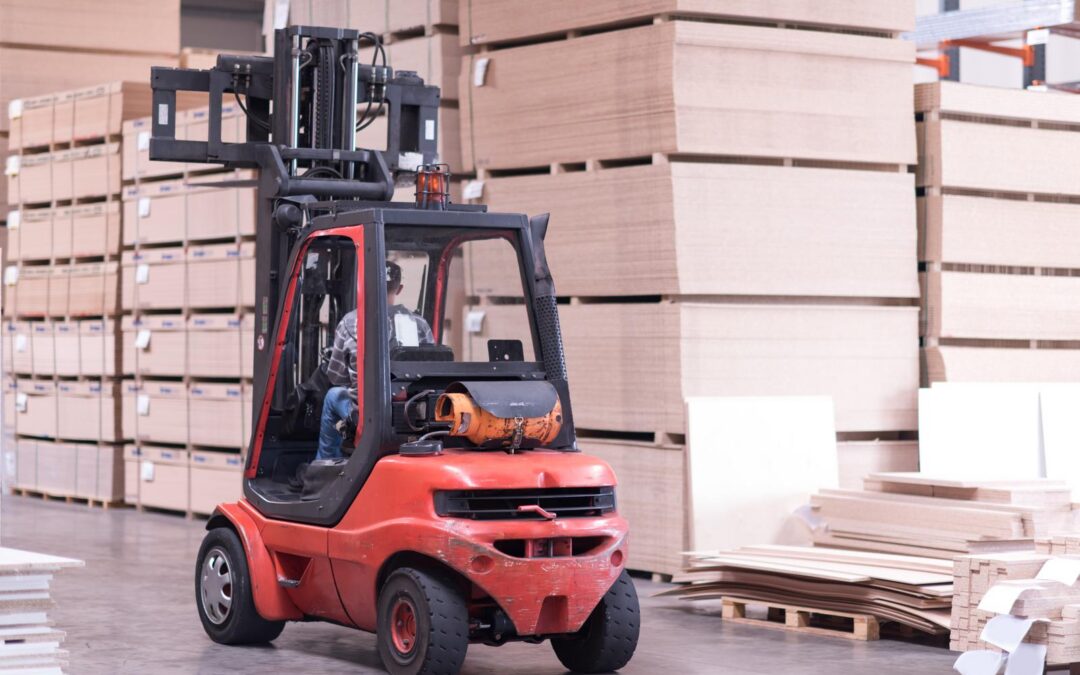
Distribution centers operate under immense logistical pressure to move high volumes of freight with precise timing. When heavy lifting machinery fails unexpectedly, equipment downtime immediately impacts facility productivity, strains labor efficiency, and increases operational costs. Implementing a structured preventive forklift maintenance strategy is a proven solution to mitigate these risks and keep your supply chain moving.
We understand that material handling equipment plays a critical role in your daily operations. Our focus is on providing reliable maintenance and repair services that help keep your equipment safe, functional, and ready when you need it. By partnering with JTS Forklift Service, operations leaders can transition away from costly reactive repairs and build a resilient, highly efficient fleet management plan.
What Is Preventive Forklift Maintenance?
Preventive forklift maintenance involves executing scheduled, routine servicing and comprehensive inspections to maintain safe operation and extend equipment lifespan. Rather than waiting for a machine to break down on the warehouse floor, this proactive approach identifies minor component wear before it escalates into a major mechanical failure. It shifts the operational focus from emergency response to predictable equipment care.
The difference between proactive and reactive repairs is fundamentally about operational control. Reactive repairs force warehouse managers to halt workflows, scramble for backup equipment, and pay premium rates for emergency mechanic dispatch. Conversely, proactive maintenance aligns with your facility’s schedule, ensuring necessary servicing is performed during off-peak hours to support uninterrupted warehouse operations.
Why Preventive Forklift Maintenance Matters for Utah Distribution Centers
Operating a material-handling fleet in the Mountain West introduces unique environmental and logistical challenges. Implementing preventive forklift maintenance Utah distribution centers can rely on is essential for overcoming these regional challenges. High-volume operations naturally push drivetrains, hydraulic systems, and industrial batteries to their physical limits, demanding frequent and thorough technical oversight.
Seasonal demand fluctuations also require adaptable maintenance strategies. Facilities often run continuous, multi-shift schedules during peak agricultural or holiday shipping periods, requiring equipment to perform flawlessly under maximum strain. Furthermore, local climate factors, such as severe winter cold, intense summer heat, and pervasive dust, accelerate mechanical wear on filters, seals, and moving parts, making regular servicing non-negotiable.
The Financial Impact of Reactive vs Preventive Services
The financial health of your distribution center is directly tied to how you manage your heavy machinery. Relying on a run-to-failure strategy is ultimately the most expensive way to operate a forklift fleet.
Cost of Emergency Repairs
When a forklift breaks down unexpectedly, you must pay for the physical replacement parts and the specialized labor required to install them immediately. Emergency service calls often carry premium, after-hours rates. Furthermore, neglected routine care often turns minor issues, such as a degraded hydraulic seal, into major, costly repairs, like a total pump rebuild.
Downtime-Related Losses
The most severe financial impact of a breakdown is the indirect cost of operational downtime. A stalled machine leaves skilled operators idle, delays outbound shipments, and creates massive workflow bottlenecks across the loading dock. These downtime-related losses quickly exceed the repair’s physical cost, eroding your facility’s daily profitability.
Long-Term Equipment Degradation
Continuously pushing heavy machinery until it fails physically destroys the equipment. Engines that frequently overheat suffer warped cylinder heads, while poorly maintained electric forklifts ruin expensive industrial batteries. This long-term equipment degradation forces facilities to replace their capital assets years earlier than necessary, drastically increasing capital expenditure budgets.
Hypothetical Scenario: Reactive vs Preventive Services
To illustrate this financial impact, consider a hypothetical Utah distribution center example. Imagine a mid-sized distribution center operating a fleet of 25 forklifts across a demanding, two-shift daily schedule. We can compare the outcomes of two different fleet management approaches over a 12-month period.
Under a reactive-only approach, this hypothetical facility experiences frequent, unpredictable breakdowns. They average three major emergency repairs per month, resulting in extensive operational downtime. The facility spends significant capital on expedited shipping for replacement parts, emergency technician dispatch, and temporary rental equipment to cover the gaps in their lifting capacity.
Alternatively, under a structured preventive maintenance plan, the same facility services their equipment based on actual operating hours. Minor wear is caught early, reducing major emergency repairs to just two or three per year. This proactive approach drastically reduces downtime, lowers annual repair frequency, and creates a highly predictable maintenance budget, ultimately saving the distribution center thousands of dollars in lost productivity.
Key Benefits of Preventive Forklift Maintenance
Transitioning to a structured fleet management strategy yields measurable benefits that directly support your facility’s operational goals.
- Reduced downtime: Catching minor mechanical wear early prevents sudden breakdowns from halting your daily shipping schedules.
- Extended equipment lifespan: Clean fluids, fresh filters, and properly lubricated moving parts preserve your capital equipment for years beyond standard expectations.
- Improved safety compliance: Routine technical inspections ensure your machinery meets strict OSHA safety standards, protecting your workforce and reducing liability.
- Predictable budgeting: Scheduled servicing allows financial planners to forecast maintenance costs accurately, eliminating the budget shock of emergency repairs.
Core Preventive Maintenance Strategies for Distribution Centers
Protecting your equipment requires actionable, structured routines. The foundation of this approach is usage-based maintenance scheduling. Rather than servicing equipment on an arbitrary calendar date, tracking exact equipment hours ensures that heavily used machines receive technical support at the exact times the manufacturer recommends.
Regular inspections are also vital for catching environmental wear. Operators must perform daily pre-shift safety checks, while certified technicians handle deeper weekly and monthly evaluations. Proactive part replacement guarantees that brittle hoses and worn brake pads are swapped out before they compromise workplace safety. For more detailed guidance on establishing these routines, explore our comprehensive overview of forklift preventative maintenance in Utah.
How Preventive Maintenance Reduces Downtime
The primary goal of proactive servicing is to prevent total downtime. By conducting routine fluid analyses, pressure testing hydraulic systems, and evaluating battery cell health, technicians detect issues early. This technical oversight allows your facility to schedule necessary repairs during planned operational lulls.
Avoiding catastrophic failures on the warehouse floor keeps your supply chain fluid and efficient. When operators trust that their machinery is safe and fully capable of handling heavy loads, overall warehouse productivity increases. You can learn more about these operational efficiencies by reading our guide on reducing forklift downtime through preventive maintenance.
Building a Preventive Maintenance Plan for Your Facility
Every distribution center operates differently, meaning your maintenance plan must be customized to your specific environment. The first step is accurately assessing fleet usage. Machines assigned to intense, continuous loading dock duty will require significantly tighter service intervals than forklifts used occasionally for high-rack storage.
Scheduling service intervals requires coordination between your operations managers and your maintenance provider to ensure servicing does not disrupt peak shipping hours. Finally, your plan must include adjusting for Utah conditions. This means utilizing lower-viscosity hydraulic fluids in the winter and accelerating air filter replacements during dusty summer months to combat heat-related equipment stress.
How JTS Forklift Service Supports Utah Distribution Centers
Because forklift downtime can disrupt productivity, we prioritize responsive service and clear communication. JTS Forklift Service provides the technical competence required to optimize your fleet and keep your distribution center running smoothly. We design and execute structured preventive maintenance programs tailored to the exact demands of your operation.
Our highly experienced technicians arrive equipped with the diagnostic tools and replacement parts necessary to resolve issues swiftly. With our dedicated 24/7 mobile service, we bring the repair shop directly to your facility. This on-site approach guarantees fast response times and minimizes the logistical nightmare of transporting heavy equipment off-site.
We are committed to helping you reduce long-term costs through consistent, proactive service that improves overall fleet reliability. To learn more about how our localized expertise benefits your facility, visit our Utah service operations page or view our complete range of forklift services. We encourage operations leaders to evaluate our dedication to customer support by reading our verified Google reviews.
FAQs: Preventive Forklift Maintenance
What is preventive forklift maintenance?
It is a proactive fleet management strategy that involves scheduled inspections, routine fluid changes, and timely replacement of parts. The goal is to identify and resolve minor mechanical wear before it causes a sudden equipment breakdown.
How often should forklifts be serviced?
Service intervals depend entirely on equipment usage and the operating environment. Generally, heavily used internal combustion forklifts require professional servicing every 200 to 250 operating hours, while electric forklifts require specialized battery maintenance on a similar usage-based schedule.
Is preventive maintenance worth the cost?
Yes. The scheduled cost of proactive care is substantially lower than the combined financial burden of emergency mechanic dispatch, expedited replacement parts, and the massive labor inefficiencies caused by sudden fleet downtime.
How does it reduce downtime?
Preventive maintenance reduces downtime by replacing failing components, such as dry hydraulic seals or worn starter motors, during planned service windows. This prevents the machinery from failing unexpectedly during an active, high-volume shipping shift.
Protect Your Operations with Proactive Forklift Maintenance
Managing a material-handling fleet in a demanding logistics environment requires technical foresight and a commitment to operational excellence. Recognizing the immense financial value of preventive forklift maintenance empowers facility leaders to protect their capital investments and maintain safe, efficient workflows. By embracing proactive servicing, regular inspections, and usage-based scheduling, you can successfully eliminate unexpected downtime and extend the usable lifespan of your heavy machinery.
JTS Forklift Service serves as your dependable operational partner, delivering the technical expertise and rapid mobile response required to keep your distribution center running at peak capacity. We provide the structured maintenance plans necessary to conquer the harshest environmental challenges. If you need to upgrade your fleet management strategy and reduce your long-term operating costs, contact JTS Forklift Service today to discuss our comprehensive solutions.
GET IN TOUCH WITH JTS FORKLIFT SERVICE