Propane Forklifts for Sale: New and Used Inventory Shipped Nationwide
Source new and used propane forklifts shipped nationwide, with guidance on capacity, fuel system specs, indoor/outdoor suitability, and how to match equipment to your operational requirements.
Propane Forklifts for Sale
Propane forklifts remain one of the most versatile options on the market, and for good reason. They handle indoor and outdoor work equally well, refuel in minutes rather than hours, and offer power output that competes directly with diesel in demanding applications. A propane forklift for sale isn’t a single standardized product, though, and understanding the buying considerations that actually matter helps you land on the right unit for your operation.
JTS Forklift Service sources both new and used propane forklifts, shipped nationwide, with equipment matched to how your operation actually runs rather than a generic recommendation.
Indoor and Outdoor Versatility
One of propane’s key advantages is its flexibility across operating environments. Unlike diesel, which is generally restricted to outdoor or well-ventilated use, propane forklifts equipped with catalytic converters can handle both indoor and outdoor tasks without any change in equipment.
This makes propane a practical fit for operations that move between warehouse interiors and outdoor loading docks or yard areas within a single shift. Consider how propane compares to other fuel types across common operating conditions:
-
Indoor use: Permitted in properly ventilated spaces, unlike diesel, which is typically restricted to outdoor environments
-
Outdoor use: Performs reliably in open yards, loading docks, and variable weather conditions without performance limitations
-
Multi-environment shifts: A single propane unit can transition between indoor and outdoor tasks, reducing the need for multiple equipment types
-
Versus electric: Propane is not restricted to indoor-only use, giving it broader application flexibility across mixed environments
One consideration worth noting: propane forklifts do produce emissions during operation. Facilities with limited ventilation or enclosed workspaces should evaluate whether adequate airflow can be maintained for sustained indoor use. In those cases, electric equipment may be the more appropriate choice before committing to propane as the primary fuel type.
Refueling Speed and Operational Continuity
Refueling is where propane draws a clear advantage over electric equipment. Swapping an empty propane tank for a full one takes a few minutes, compared to the extended charging and cooling cycle a standard electric forklift battery requires. This makes propane particularly well suited to multi-shift or continuous operations where equipment downtime for charging isn’t practical.
Facilities running propane fleets typically keep a supply of tanks on hand, allowing an operator to swap tanks and get back to work almost immediately rather than waiting on a charging cycle. This operational continuity is one of the main reasons businesses running intensive, continuous-use applications often choose propane over electric, even when electric offers lower operating costs over time.
Propane vs. Electric: Cost and Application Tradeoffs
Understanding the differences between propane and electric forklifts comes down to a handful of practical tradeoffs that matter more in some operations than others.
Operating Costs
Electric forklifts generally have lower operating costs over time. Electricity typically costs less per hour of operation than propane fuel, and electric drivetrains have fewer moving parts than combustion engines, which reduces routine maintenance needs. Propane forklifts, however, offer continuous operation without extended charging downtime, along with generally lower upfront equipment costs in many configurations.
Application Fit
Application matters as much as raw cost comparison. Indoor-only operations with a single shift and dedicated charging infrastructure often favor electric for the long-term operating savings. Multi-shift operations, outdoor work, or facilities without charging infrastructure already in place frequently favor propane for the operational flexibility it provides.
Further Reading
For a more detailed breakdown, our full comparison of electric vs propane forklifts covers how upfront cost, ongoing operating expense, and application fit compare directly between the two fuel types. For operations in warmer climates specifically, our Arizona-focused comparison of electric and propane forklifts covers how sustained heat affects both fuel types differently, which is worth reviewing before making a purchasing decision.
New vs. Used Propane Equipment
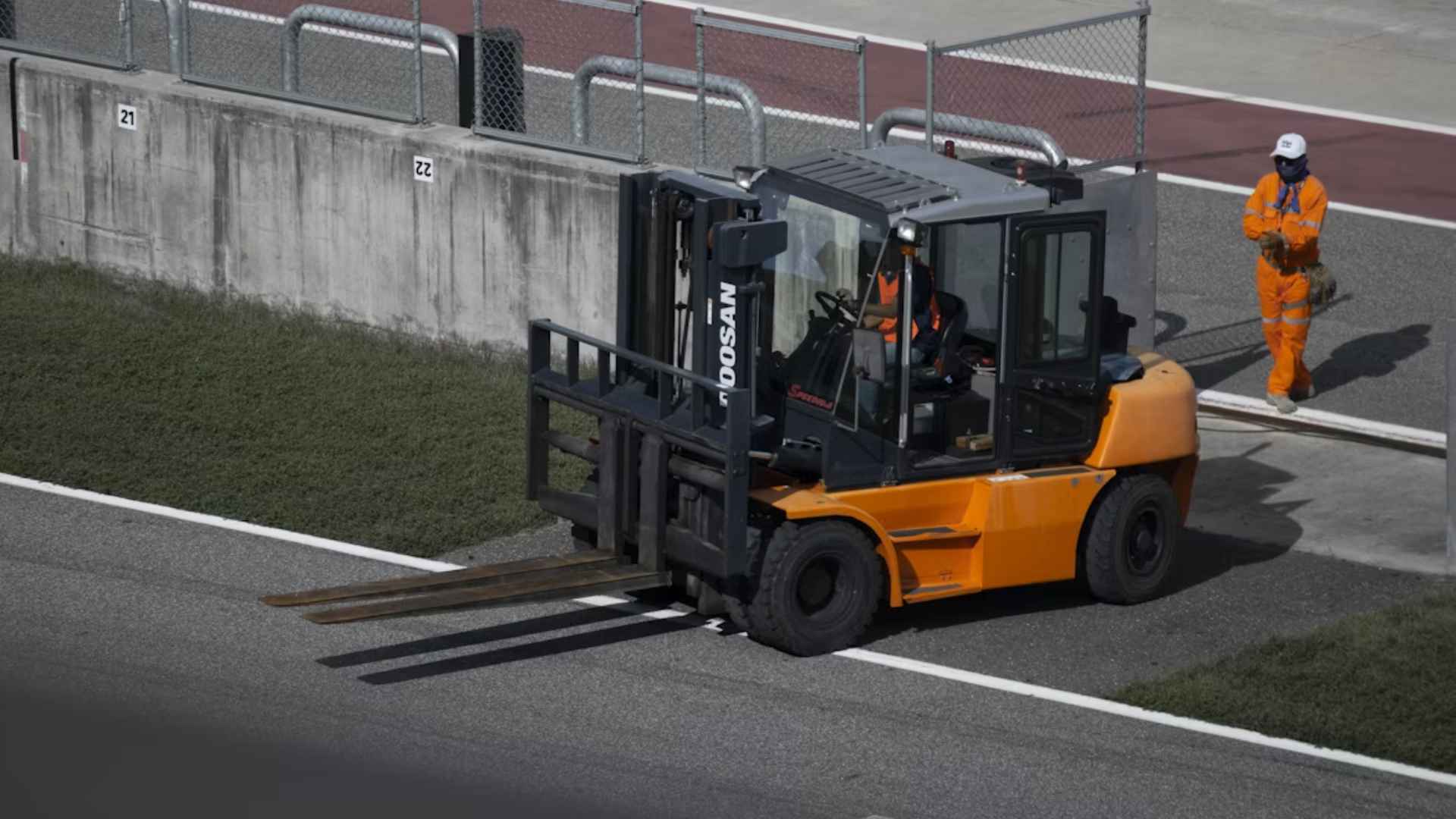
The new-versus-used decision for propane forklifts follows similar logic to other fuel types, with a few propane-specific considerations worth noting. New propane forklifts come with full manufacturer warranty coverage and current engine technology, often including improved emissions control compared to older models, which matters for indoor air quality in facilities running equipment inside regularly.
Used propane forklifts can offer real savings, but engine condition deserves particular attention during evaluation. A propane engine’s condition, including compression, fuel system performance, and overall run quality, should be tested directly rather than assumed from operating hours alone. A well-maintained used propane unit with a documented service history can be an excellent value, while a neglected unit can carry hidden engine issues that a quick test drive won’t reveal.
Available Inventory Types
Propane forklift inventory spans a range of capacities and configurations suited to different applications. Standard warehouse-capacity units, typically rated for 3,000 to 5,000 pounds, cover the majority of general material handling needs. Heavy-duty propane units rated for 8,000 pounds or more handle larger loads common in manufacturing, lumber, or industrial applications.
Beyond standard forks, propane forklifts can be configured with a range of attachments and accessories depending on the application, from side shifters for precise load positioning to specialty attachments for specific industries. Matching the right capacity and configuration to your typical load and task requirements avoids paying for capability your operation won’t actually use.
What to Evaluate Before Buying
A few questions worth working through before finalizing a propane forklift purchase, new or used:
- What environments will the equipment actually operate in? Indoor-only use with good ventilation, outdoor-only use, or a mix of both all point toward slightly different equipment and safety considerations.
- How many shifts does the operation run? Multi-shift operations benefit most from propane’s fast refueling compared to electric charging downtime.
- What capacity does your typical load actually require? Matching capacity to real, typical loads rather than occasional maximum loads keeps cost aligned with actual need.
- For used equipment, what does the service history show? A documented maintenance record matters as much for propane engines as it does for any other forklift component.
Ongoing Maintenance and Support
Propane forklifts require routine maintenance specific to their combustion engines, including fuel system checks, filter replacements, and engine service intervals that differ from electric equipment upkeep. Our resource on propane forklift maintenance and repair covers what ongoing care looks like for propane-specific components, which is worth understanding as part of the total cost of owning a propane unit over its working life.
Shipped Nationwide
JTS Forklift Service sources propane forklifts, new and used, for businesses across the country, matching equipment to your specific application, capacity needs, and budget with shipping arranged to your facility regardless of location.
Getting Started
Choosing the right propane forklift comes down to matching capacity, configuration, and condition to how your operation actually runs, not picking based on general availability alone. A conversation with JTS Forklift Service helps identify the right new or used propane forklift for your specific application, with equipment sourced and shipped wherever your business operates.
Still Have Questions?
Parts questions rarely fit a single formula, especially across a mixed fleet running different makes, models, and ages of equipment. Our full frequently asked questions page covers additional topics beyond parts, including service scheduling and maintenance planning.
For a specific part question tied to your equipment, reaching out directly through JTS Forklift Service gets you an answer based on your actual serial number and usage history, rather than a general guideline that might not apply to your specific unit. Getting the right part on the first order is almost always faster and cheaper than sorting out a mismatch after installation.
Partner with JTS Forklift Services Today!
Thanks to our services, our clients consistently report significant improvements in operational efficiency and cost savings. The benefits of partnering with JTS Forklift Service are evident, from extending the lifespan of equipment to reducing downtime.
Ready to take your forklift maintenance to the next level? Trust JTS Forklift Service for superior service and unparalleled expertise. Contact us today to schedule a consultation and ensure your equipment is in the best possible condition.
Latest Blogs
Explore our past blog posts covering topics like forklift maintenance, electric forklifts, and more! We keep it fresh with insightful content to assist businesses in excelling in material handling operations.
Forklift Downtime in Arizona’s Fulfillment Centers: What It’s Really Costing You
A fulfillment center runs on cutoff times. Orders that ship today have to leave the dock by a set hour, and the carrier does not wait. When a forklift goes down in the middle of that window, the loss is not measured in repair dollars. It shows up in missed trucks,...

How Arizona Heat Affects Forklift Cooling Systems and Radiators
The radiator is the part of a forklift cooling system that does the most visible work and gets the least attention. In Arizona, it runs against outside air that is often hotter than 100 degrees, which leaves very little room for error. A radiator that is partly...

When to Schedule Forklift Maintenance in Arizona
Knowing that a forklift needs maintenance is easy. Knowing exactly when to schedule it is the harder question, and the answer shifts depending on how many hours a unit runs and how much Arizona heat it's been exposed to. This page works as a practical scheduling...
“Customer Satisfaction is Our Number One Priority.”
Julius A.
Contact Us
Serving All of Utah
24/7 Availability