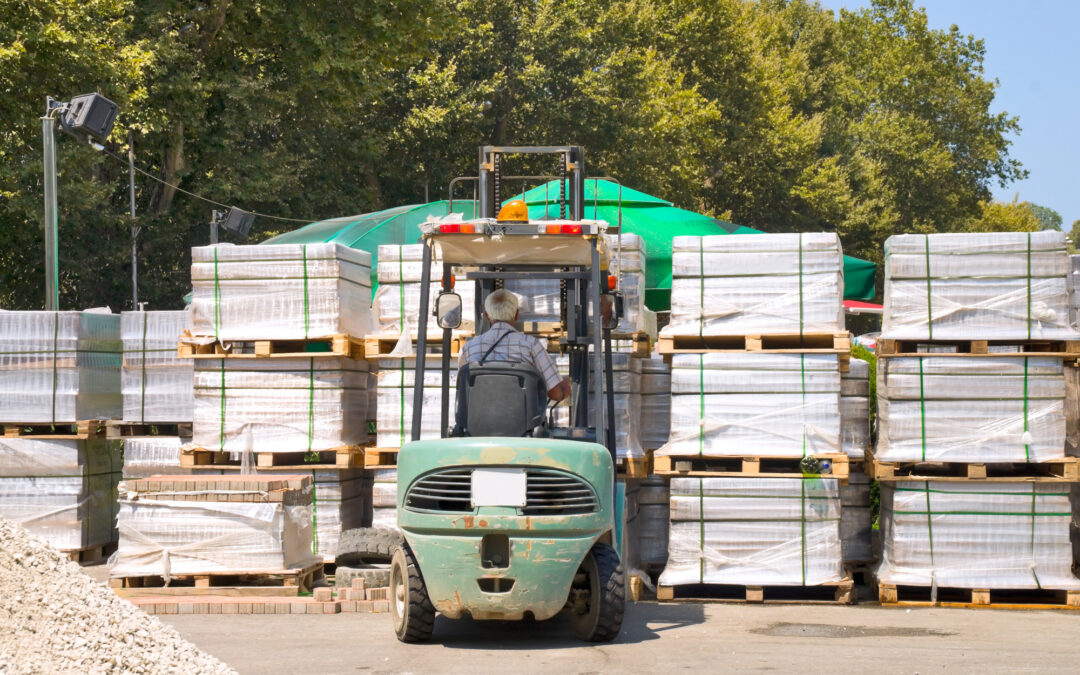
When Phoenix area temperatures hit 110 degrees or higher, the conditions that push forklifts toward overheating are everywhere. Ambient heat, hot warehouse floors, dust-clogged radiators, and batteries under constant thermal stress create conditions in which equipment that runs fine in spring can start struggling by July.
Overheating is one of the most preventable causes of forklift downtime in Arizona. JTS Forklift Service works with Arizona fleets to get equipment ready before summer peaks.
What Actually Causes Overheating in Arizona
Overheating is rarely caused by a single factor. It is typically the combination of extreme ambient heat, some level of deferred maintenance, and operating conditions that push the machine beyond what it can manage under those circumstances.
For propane and CNG forklifts, the most common culprits are a dirty or clogged radiator, low or degraded coolant, and a failing thermostat or water pump. Arizona dust packs into radiator fins faster than in most other regions, reducing cooling efficiency right when it is needed most.
For electric forklifts, overheating presents differently. Motors and controllers generate heat during operation, and batteries generate significant heat during both use and charging. When ambient temperatures are already extreme, heat dissipation becomes much harder. For more on managing forklifts in Arizona heat, see our page.
Cooling System Maintenance for Propane and CNG Forklifts
Heading into Arizona summer, inspect these cooling system components:
- Coolant level and condition. Replace degraded coolant even if it is still at the right level
- Radiator fins for dust and debris. Clean with compressed air to restore airflow
- Radiator hoses for cracks, soft spots, or deterioration
- The radiator cap requires a proper seal
- The thermostat for proper function
- The water pump for leaks or unusual noise
Arizona dust is especially effective at packing into radiator fins, so clean the radiator more frequently during summer months than you might during cooler seasons.
Battery Performance and Thermal Management for Electric Forklifts
Heat is the most significant enemy of electric forklift battery life in Arizona. To keep batteries performing through summer:
- Check water levels more frequently. Batteries lose water faster in the heat, and low water exposes plates, causing permanent damage
- Keep terminals clean and free of corrosion
- Charge in the coolest area of the facility when possible
- Avoid leaving batteries in a deeply discharged state in hot conditions
- Monitor charge times — a battery taking significantly longer to reach full charge or running out of power before the end of a normal shift may be suffering heat-related capacity loss
For more on protecting battery life in Arizona conditions, see our page.
Tire Condition and Its Role in Overheating
A forklift running on damaged or underinflated tires generates more friction and puts additional mechanical stress on the drivetrain and other systems. That extra work generates additional heat throughout the machine. Check tire condition and inflation regularly during summer.
Warning Signs to Watch For
Catching overheating early means watching for these indicators:
- Temperature gauge reading higher than the normal operating range
- Warning lights or fault codes on the dashboard
- Reduced lifting speed or power during extended use
- A burning smell near the engine or hydraulic components
- Steam or unusual smoke from the engine area
- Battery that is hot to the touch after a charge
When these signs appear, the forklift should be stopped and inspected before returning to service.
For forklift repair in Arizona, see our page. To schedule a pre-summer inspection, call JTS Forklift Service at (480) 404-5023.
GET IN TOUCH WITH JTS FORKLIFT SERVICE