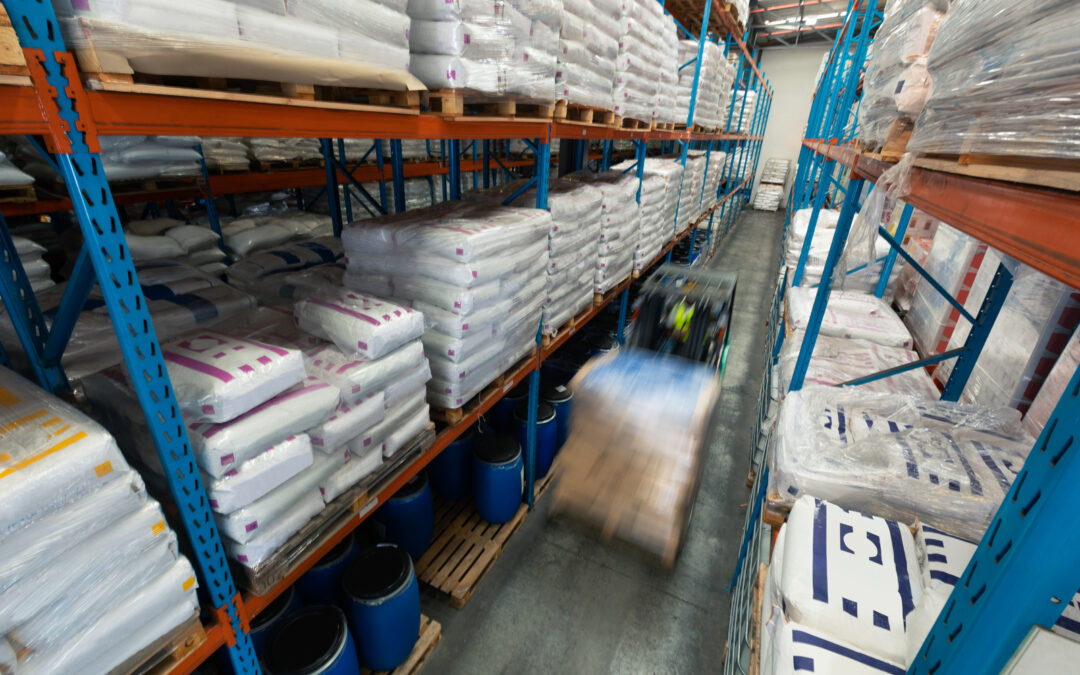
Fulfillment centers operate under constant pressure to process high volumes of inventory with precise timing. When critical material-handling equipment fails, even a brief interruption can quickly disrupt tightly choreographed workflows. Factoring in extreme environmental heat and continuous operational demand, the true cost of forklift downtime Arizona warehouses experience extends far beyond the initial repair bill.
We understand that material handling equipment plays a critical role in your daily operations. Our focus is on providing reliable forklift maintenance and repair services that help keep your equipment safe, functional, and ready when you need it. By partnering with an experienced provider like JTS Forklift Service, operations managers can build resilient fleet strategies that minimize disruptions, protect productivity, and maintain tight shipping schedules.
Why Forklift Downtime Is More Disruptive in Fulfillment Centers
Unlike standard storage facilities, fulfillment centers manage a rapid, continuous flow of inbound and outbound freight. These high-volume operations rely entirely on the continuous availability of specialized lifting equipment. A disabled forklift immediately halts the movement of active inventory, forcing the rest of the facility to absorb the sudden capacity loss.
Meeting tight shipping deadlines requires operational predictability. When equipment downtime strikes, managers must frequently reroute workflows and reassign tasks to compensate for the missing machine. This sudden shift creates immediate operational friction, transforming a simple mechanical failure into a facility-wide logistical hurdle.
Impact of Forklift Downtime in Arizona Warehouses
The direct operational impact of forklift downtime Arizona warehouses face can be measured across every department. Understanding these disruptions is the first step toward building a more resilient facility.
Shipping Delays & Missed Deadlines
A stalled machine directly threatens your facility’s ability to hit outbound shipping windows. When freight cannot be moved from the staging area to the loading dock efficiently, delivery trucks are forced to wait. These delayed outbound shipments directly damage customer satisfaction and frequently result in costly contractual penalties from logistics partners.
Labor Disruption & Productivity Loss
Equipment failures leave skilled operators idle while they wait for a functional replacement machine. This labor disruption destroys your labor efficiency metrics, as you are paying workers who are unable to execute their assigned tasks. Furthermore, inefficient task reassignment slows down secondary teams who must now work around the broken equipment.
Workflow Bottlenecks & Congestion
Fulfillment centers operate with precise spatial planning. A broken forklift sitting in a primary travel aisle immediately creates physical workflow bottlenecks and severe congestion. These stalled operations disrupt picking and staging processes, as active operators must navigate around the dead machine, slowing down the entire warehouse floor.
How Arizona’s Environment Amplifies Downtime Issues
Operating in Arizona introduces environmental factors that significantly increase the risk of forklift failure. These conditions place additional stress on mechanical components, making proactive maintenance critical.
Key environmental challenges in the region include:
- Extreme Heat: High temperatures accelerate wear on hydraulic systems, batteries, hoses, and seals. This heat-related stress can lead to premature equipment failure, particularly during peak operational hours.
- Abrasive Dust and Debris: Dust in the Southwest environment can clog filters and accelerate wear on moving parts, compromising engine and component performance.
- Expansive Facility Layouts: The large scale of many Arizona warehouses and distribution yards can complicate recovery efforts. Moving a disabled forklift across a large indoor or outdoor space presents logistical challenges, prolonging the disruption.
The Financial Impact of Forklift Downtime
The most visible expense of an equipment failure is the invoice for emergency repair services. However, the true financial damage is rooted in lost warehouse productivity and delayed shipping targets. When your facility cannot process its standard volume of freight, your overall revenue capacity drops immediately.
Increased labor costs also compound this financial strain. Operations managers frequently have to authorize costly overtime to clear the backlog of freight caused by the broken machine. To better understand the direct expenses associated with fixing your machinery, review our comprehensive breakdown of typical forklift repair costs.
Hidden Costs That Add Up Over Time
Evaluating forklift downtime costs Arizona facilities incur requires looking beyond single, isolated breakdowns. Repeated small disruptions quietly consume your maintenance budget and drag down overall operational efficiency. A machine that stalls for twenty minutes every shift gradually destroys your weekly productivity targets.
This compounding of inefficiencies is dangerous because it often becomes accepted as a normal part of daily operations. Over time, compensating for unreliable machinery places long-term operational strain on your functional equipment, leading to a vicious cycle of accelerated wear and premature failures across your entire fleet.
Strategies to Reduce Forklift Downtime in Arizona Fulfillment Centers
Combating these expensive disruptions requires a proactive, operations-focused strategy. The most effective method for minimizing fulfillment center downtime is implementing strict preventive maintenance scheduling. By servicing equipment based on actual operating hours, technicians can identify worn belts, dry seals, and failing batteries long before they cause a breakdown.
Consistent equipment monitoring and fluid checks are equally vital for surviving high-heat environments. Operations managers must also plan effectively for peak demand periods, ensuring all machinery is fully serviced before the holiday shipping season begins. You can explore these strategies in deeper detail by reading our guide on reducing forklift downtime through preventive maintenance.
Why Fast Response & Mobile Repair Are Critical
Even with exceptional preventive care, sudden mechanical failures will occasionally happen. When they do, the need for immediate, on-site service is absolute. Waiting days for a transport truck to haul your equipment to an off-site shop extends your productivity loss and exacerbates your shipping delays.
Mobile repair eliminates these logistical hurdles by bringing the technical expertise directly to your facility. Reducing wait times by utilizing 24/7 mobile service ensures that minor issues are resolved within the same shift. This rapid turnaround is essential for maintaining operational flow and protecting your critical outbound shipping schedule.
How JTS Forklift Service Supports Arizona Businesses
Because forklift downtime can disrupt productivity, we prioritize responsive service and clear communication. JTS Forklift Service serves as a dependable operational partner, delivering the technical expertise needed to keep your high-volume facility moving. Our technicians work efficiently to diagnose issues and perform repairs that support long-term equipment reliability.
We provide dedicated 24/7 mobile repair services with fast response times to minimize disruption during emergency breakdowns. Our customized preventive maintenance programs proactively address the environmental challenges unique to the Southwest. We have extensive experience supporting fulfillment operations, ensuring your fleet remains functional and compliant.
To learn more about our localized support and technical capabilities, explore our Arizona service coverage and our full range of forklift services. For continuous insights into warehouse equipment maintenance and operational efficiency, we invite you to follow our Facebook page.
FAQs: Forklift Downtime in Fulfillment Centers
What causes forklift downtime in fulfillment centers?
The most frequent causes of sudden downtime are electrical system failures, dead or degraded industrial batteries, blown hydraulic hoses, and neglected cooling systems. In high-use environments, these issues almost always stem from deferred preventive maintenance.
How can downtime be reduced in high-volume operations?
Operations leaders can drastically reduce equipment failure by shifting from reactive repairs to structured, usage-based preventive maintenance. Performing daily operator safety checks and proactively managing heat-related equipment stress prevents minor wear from escalating.
Is preventive maintenance worth the investment?
Yes. The scheduled cost of proactive maintenance is substantially lower than the combined expenses of emergency mechanic dispatch, temporary rental equipment, and the massive labor inefficiencies caused by sudden fleet disruptions.
How quickly should forklift repairs be completed?
In a fulfillment center, critical repairs must be addressed immediately to protect shipping schedules. Partnering with a mobile service provider ensures that technicians arrive on-site rapidly, frequently resolving the failure within hours rather than days.
Thanks for Reading!
The true impact of forklift downtime Arizona warehouses experience goes far beyond the simple cost of a replacement part. Delayed shipping targets, severely compromised labor efficiency, and cascading workflow bottlenecks actively destroy a facility’s profitability. Recognizing these hidden operational and financial impacts empowers managers to adopt proactive strategies that protect their critical supply chains.
JTS Forklift Service serves as your trusted, long-term maintenance partner. We deliver proactive care, localized expertise, and a rapid mobile response to keep your facility operating. If you need to stabilize your fleet and eliminate unexpected workflow disruptions, contact JTS Forklift Service today to discuss a strategic fleet maintenance plan.
GET IN TOUCH WITH JTS FORKLIFT SERVICE