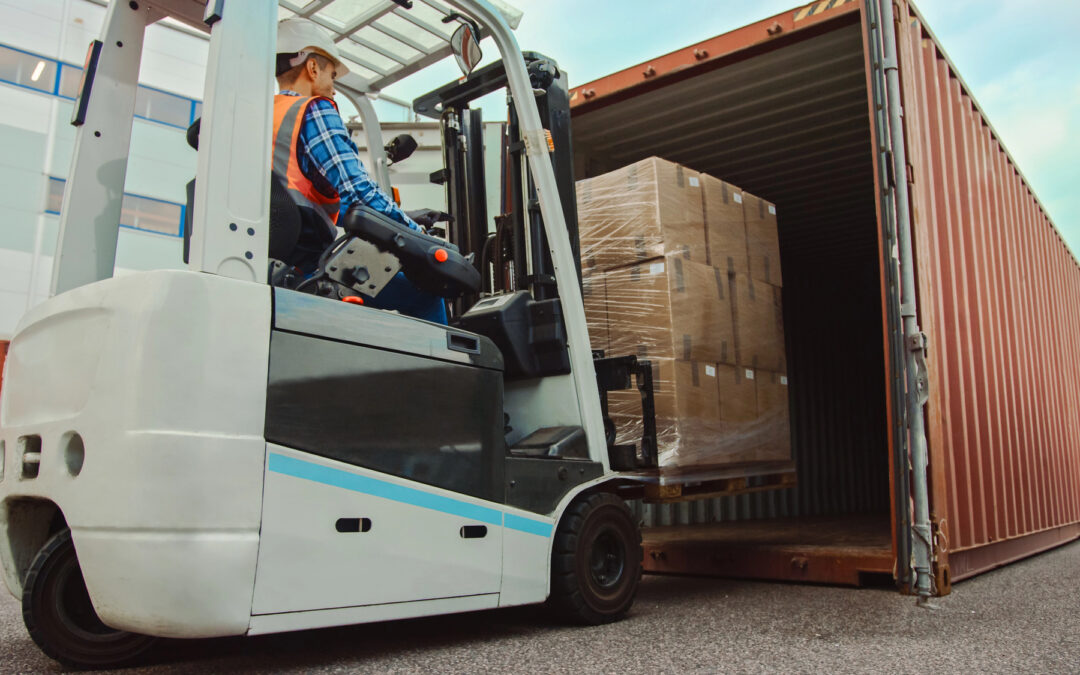
Distribution centers in Arizona are running forklifts hard. Multi-shift operations, high throughput demands, and an operating environment that accelerates wear on every mechanical system create a maintenance challenge that a reactive approach simply cannot handle effectively.
JTS Forklift Service provides fleet maintenance and mobile repair for distribution centers throughout the Phoenix metro and statewide Arizona. Here is how to build a maintenance strategy that meets the demands of high-use operations in Arizona.
Know Your Fleet’s Operating Hours
The foundation of any effective fleet maintenance strategy is knowing how hard each piece of equipment is actually working. For distribution centers running two or three shifts, a forklift can accumulate 5,000 to 6,000 operating hours per year in high-demand periods.
Service intervals tied only to calendar time will miss the mark entirely for these machines. Track operating hours for every unit and build service schedules that reflect actual use. A unit accumulating 500 hours per month needs a very different maintenance cadence than one logging 150 hours in the same period.
Build a Scheduled Preventive Maintenance Program
Scheduled preventive maintenance is what separates distribution centers with predictable uptime from those dealing with constant, disruptive repair events. A PM program built for Arizona conditions should include more frequent hydraulic fluid and filter inspections than standard manufacturer guidelines suggest, given how quickly Arizona heat degrades fluid condition.
Structure PM visits around operating hours rather than calendar dates for high-use equipment. Coordinate PM visits with your operations schedule — service providers who offer mobile technicians can often complete scheduled maintenance during shift changes or off-peak periods to minimize the impact on throughput. For more on preventive strategies built for Arizona, see our page.
Respond to Warning Signs Without Delay
In a distribution center environment, the temptation to push through a minor forklift issue until a scheduled service visit is understandable. The problem is that warning signs in Arizona heat rarely stay minor for long. A small hydraulic leak becomes a failure. A battery losing capacity degrades faster under continued heat stress.
Operators should be trained to promptly report warning signs, and the culture should support removing a machine from service when a safety or performance concern arises. Rapid response from a mobile service provider makes this practical — if a service call means a technician on-site within hours rather than days, the downside of pulling a unit is manageable.
Use Mobile Service to Keep Equipment on the Floor
Distribution centers benefit significantly from mobile forklift service that comes to the facility. For large operations with multiple units, transporting forklifts adds cost, complexity, and time. Mobile technicians who can work on equipment in place are more efficient for most maintenance and repair tasks.
Arizona’s growing service provider market means mobile forklift service is available throughout the Phoenix metro and in surrounding communities. Identifying a service partner who knows your specific fleet and can respond quickly to emergency calls is worth the investment. For our mobile repair capabilities in Arizona, see our page.
Track Repair History and Total Cost of Ownership
Distribution centers managing fleets of 20, 50, or 100 or more forklifts need visibility into the maintenance and repair costs of each unit over time. Without records, it is impossible to identify which units are reliable and which are chronic repair consumers.
Keep service records by unit, including every maintenance visit, parts replaced, and repair costs. Review this data periodically — at a minimum annually — to make informed fleet replacement decisions.
Plan for Summer Peaks Specifically
Arizona summers deserve their own planning cycle in fleet maintenance strategy. Before summer arrives, conduct a fleet inspection focused on cooling systems, hydraulic fluid condition, battery health, and tire integrity. Address deferred maintenance before heat peaks, not during.
For a full overview of our Arizona forklift maintenance capabilities, see our page. Call JTS Forklift Service at (480) 404-5023 to discuss building a maintenance strategy for your distribution center fleet.
GET IN TOUCH WITH JTS FORKLIFT SERVICE