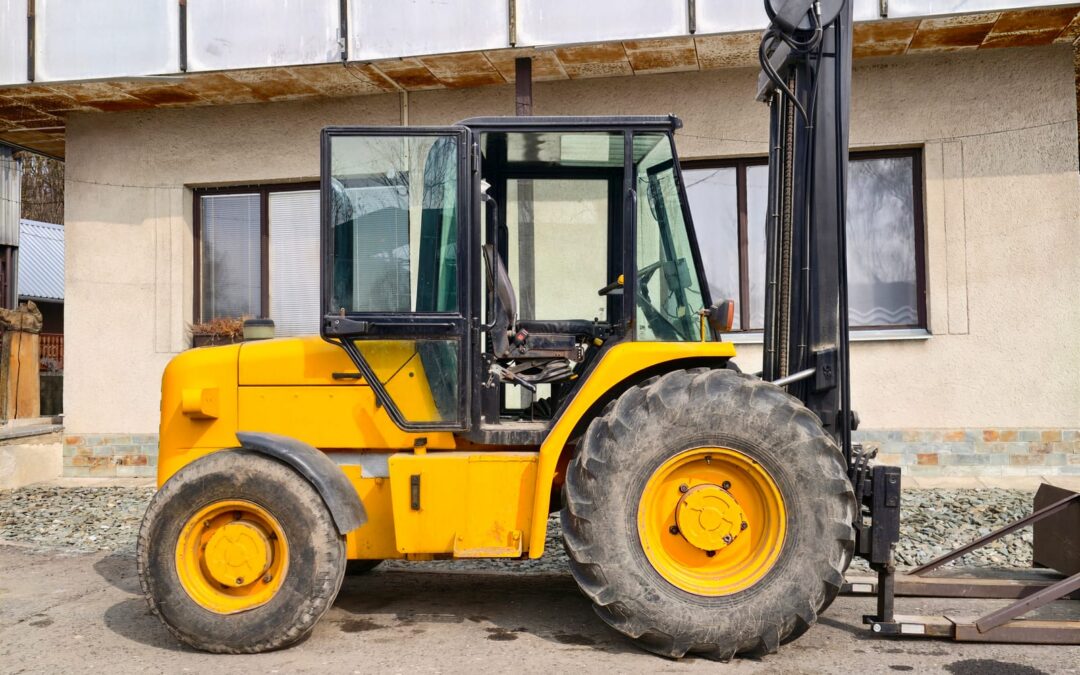
Material handling equipment is the backbone of industrial operations across the state. From busy distribution centers in Salt Lake City to rugged construction sites in southern regions, reliable machinery keeps Utah moving. When a machine shows signs of failure, ignoring the symptoms often leads to costly breakdowns.
We understand that material handling equipment plays a critical role in daily operations. Partnering with a trusted provider like JTS Forklift Service ensures your equipment remains safe, functional, and ready for demanding workloads. This guide outlines the most common warning signs that your equipment requires professional attention and explains how timely repairs protect your bottom line.
Why Early Forklift Repair Matters in Utah
Utah experiences diverse weather conditions and demanding industrial environments. Dust, extreme temperature shifts, and heavy daily usage take a toll on material handling fleets. Addressing minor mechanical issues early prevents them from escalating into catastrophic failures.
Proactive forklift repair utah businesses implement helps maintain operational efficiency. Fixing a worn belt or a small hydraulic leak today is significantly cheaper and faster than replacing an entire motor or hydraulic pump next month. Early intervention also ensures safety compliance and protects your operators from workplace accidents.
Common Warning Signs You Should Never Ignore
Equipment rarely fails without providing a few warning signs first. Warehouse managers and fleet operators should train their teams to monitor for the following symptoms during daily use.
Hydraulic Fluid Leaks and Visible Drips
Your machine relies on a complex hydraulic system to lift heavy loads. If you notice puddles of fluid forming under a parked machine, you likely have a failing seal, a cracked hose, or a damaged O-ring. Hydraulic fluid leaks compromise lifting capacity and create severe slip hazards on the warehouse floor. Addressing leaks immediately prevents further strain on the hydraulic pump.
Dashboard Warning Lights and Diagnostic Alerts
Modern electric and internal combustion forklifts feature advanced diagnostic systems. When a dashboard warning light illuminates, it indicates a specific system error. Ignoring these alerts can lead to engine damage or electrical failure. Always pull the machine from active duty and have a technician pull the diagnostic codes to identify the root cause.
Unusual Noises: Grinding, Squealing, and Knocking
A healthy machine operates with predictable sounds. New or unusual noises indicate mechanical friction.
- Grinding: Often points to worn gears or failing brakes.
- Squealing: Usually indicates a loose or worn drive belt.
- Knocking: A classic sign of internal engine trouble in internal combustion models.
If an operator reports strange noises, schedule a professional inspection before the stressed components break entirely.
Lifting and Mast Performance Problems
The primary function of your equipment is to lift heavy materials safely. If the mast moves sluggishly, pauses during lifting, or drifts downward after being raised, the machine is no longer safe to operate. Mast performance problems often stem from hydraulic fluid degradation, worn chains, or failing mast rollers.
Steering and Braking Issues
Steering a heavy industrial truck requires precision. If the steering wheel feels loose or unresponsive, the steering axle or hydraulic steering system needs immediate repair. Similarly, soft or unresponsive brakes pose a massive safety risk. Operators must be able to stop securely, especially when carrying a full load on a loading dock ramp.
Battery Performance and Charging Concerns
For electric forklift fleets, battery health is paramount. Warning signs of failing batteries include rapid power loss during a shift, a strong sulfur smell, or excessive heat during charging. If a battery fails to hold a charge, you may need targeted maintenance or cell replacement to restore operational efficiency.
Tire Wear and Traction Concerns
Tires absorb the impact of rough terrain and heavy loads. For outdoor fleets operating in Utah construction yards or gravel lots, tires wear down rapidly. Look for chunking rubber, deep cracks, or tires worn past the safety line. Operating on compromised tires reduces traction, damages the suspension, and makes the machine dangerously unstable.
Startup Difficulties and Inconsistent Operation
Internal combustion forklifts running on diesel or propane should start smoothly. If an engine cranks slowly, stalls frequently, or idles roughly, the fuel system or ignition components require attention. In electric models, inconsistent power delivery or jerky acceleration often points to failing contactors or motor controller issues.
The Risks of Delaying Forklift Repairs
Because forklift downtime can disrupt productivity, some managers hesitate to pull a functioning machine out of rotation. However, delaying necessary service creates severe risks.
Operating a damaged machine puts extreme stress on connected components. A single failing part will force other systems to overcompensate, leading to widespread mechanical damage. Furthermore, ignoring safety-related issues like weak brakes or hydraulic leaks violates safety compliance standards and endangers your workforce. When a minor issue evolves into a major breakdown, you may find yourself needing emergency forklift repair utah services to get your facility back on track.
How Preventive Service Reduces Downtime
The best way to manage repairs is to catch them before they impact your workflow. Scheduled inspections identify wear and tear on hoses, belts, and filters. Routine maintenance allows managers to order necessary parts in advance and schedule repairs during slow periods. Implementing a comprehensive forklift service and repair plan extends the overall lifespan of your fleet and keeps your operations predictable.
Working with Experienced Technicians for Mobile Repair
Equipment issues do not always happen at convenient times or locations. Transporting a broken machine to a repair shop is time-consuming and expensive. This is why having access to responsive mobile service is crucial.
Professional technicians equipped with fully stocked service vans can travel directly to your facility. Whether your operation is located in a rural industrial park or a bustling city center, utilizing dependable forklift service utah providers minimizes logistical headaches. Our technicians work efficiently to diagnose issues on-site and perform repairs that support long-term equipment reliability.
Frequently Asked Questions (FAQ)
What should I do if my forklift mast gets stuck while carrying a load?
Clear the immediate area to ensure personnel safety. Do not attempt to force the mast down or climb on the lifting mechanism. Turn off the machine and contact a professional technician immediately to safely release the hydraulic pressure and resolve the issue.
How often should I inspect my forklift tires?
Operators should perform a visual inspection of the tires before every shift as part of their standard daily checklist. Fleet managers should conduct a more thorough inspection monthly to measure tread depth and assess uneven wear patterns.
Can I ignore a warning light if the forklift seems to drive normally?
No. Warning lights are designed to detect issues before they become physically apparent to the operator. Ignoring a diagnostic alert can lead to severe engine, battery, or electrical damage.
Does cold Utah weather cause specific forklift problems?
Yes. Freezing temperatures can thicken hydraulic fluid, reduce battery runtime, and cause diesel fuel to gel. Preparing your fleet with winter-grade fluids and proper storage practices helps mitigate these seasonal repair needs.
How quickly can a mobile repair technician arrive?
Response times vary based on location and the urgency of the problem. However, utilizing a dedicated mobile service provider generally ensures rapid on-site support designed to reduce operational downtime as much as possible.
Partner with JTS for Your Forklift Repair Needs in Utah
Recognizing the warning signs of equipment failure is the first step toward maintaining a safe and productive operation. By addressing hydraulic leaks, unusual noises, and performance issues promptly, you can prevent minor problems from becoming major disruptions. JTS Forklift Service provides reliable, on-site forklift repair services across Utah, helping you reduce downtime and extend the life of your material-handling fleet. Contact us today to schedule a service call or to learn more about our preventive maintenance plans.
GET IN TOUCH WITH JTS FORKLIFT SERVICE