
Operating material-handling equipment during the winter months poses significant challenges for supply chains. Dropping temperatures, freezing moisture, and high-elevation conditions put immense strain on your entire forklift fleet. Without a proactive approach, these environmental factors can compromise equipment startup reliability, battery performance, hydraulic efficiency, and operator safety. A structured Utah winter forklift maintenance plan is essential to protect your equipment and keep your business running smoothly. At JTS Forklift Service, we understand that material handling equipment plays a critical role in your daily operations. We provide reliable support to help you navigate these seasonal challenges and keep your facility productive.
Why Winter Conditions in Utah Impact Forklift Performance
The physical environment across the state creates a perfect storm for mechanical stress and equipment wear. Facilities face freezing temperatures, heavy snow, freezing rain, and constant temperature swings. These harsh elements directly affect metal components, electrical connections, and vital operating fluids. Furthermore, elevation-related changes in air density affect engine combustion, reducing overall equipment power.
These conditions vary drastically depending on your specific operational location. Warehouses in Salt Lake City, Provo, and Ogden regularly deal with heavy lake-effect snow and corrosive road salt that tracks into the facilities. Meanwhile, equipment operating in high-elevation areas like Logan faces extreme, sustained freezes that push hydraulic systems to the limit. In contrast, St. George experiences milder winters but still sees sudden temperature drops that catch unprepared operators by surprise. If you manage fleets across these diverse regions, our Utah service operations can help you standardize your seasonal care.
Key Winter Challenges for Forklift Systems
Cold Start Challenges & Engine Performance
Starting an internal combustion forklift in sub-freezing temperatures puts extreme stress on the engine block and starter motor. Cold metal parts shrink slightly, which dramatically increases internal friction during ignition. Simultaneously, standard engine oil thickens in the cold and flows very sluggishly through the engine block. This makes the engine much harder to turn over and starves critical components of vital lubrication.
Operators must follow proper warm-up procedures before moving any heavy loads. Allowing the engine to idle for several minutes lets the oil reach its proper operating temperature and circulate fully. You should also inspect fuel systems regularly, as condensation can easily freeze in fuel lines and block combustion. Installing engine block heaters and switching to synthetic, winter-grade oils can drastically reduce cold start stress.
Battery Performance in Cold Weather
Electric forklifts face unique winter challenges that require careful monitoring. Cold temperatures severely reduce an industrial battery’s overall capacity and slow down its internal chemical reactions. A battery that comfortably lasts a full eight-hour shift in the summer might only survive six hours in a freezing warehouse. Operations must adjust their charging schedules to account for this seasonal capacity loss.
Cold weather also causes charging inefficiencies, meaning batteries take much longer to reach a full charge. You should never leave batteries in unheated environments when they are fully discharged, as they become highly susceptible to internal freezing. Always inspect battery terminals and cables for corrosion, which accelerates rapidly in cold, damp conditions. Maintain proper charging cycles, water the batteries only after charging, and store your electric equipment in a temperature-controlled area.
Hydraulic Systems & Fluid Behavior in Winter
Your forklift relies entirely on its hydraulic system to lift, tilt, and safely hold thousands of pounds of material. However, the viscosity of hydraulic fluid increases significantly as the ambient temperature drops near freezing. Thick, cold fluid forces the hydraulic pump to work much harder to push oil through the hoses and control valves. This intense resistance threatens the integrity of the entire lifting system.
This viscosity change results in a sluggish lift response, slower tilt speeds, and unusual whining noises from the pump. Pushing a cold hydraulic system too hard can easily blow a mast seal or rupture a high-pressure hose, leading to dropped loads. Operators must allow the hydraulic fluid to warm up by cycling the mast empty a few times before lifting a heavy pallet.
If you notice persistent leaks or slow operation, JTS Forklift Service offers hydraulic systems repair and maintenance to help.
Safety & Performance Risks in Winter Conditions
Tire Pressure, Traction, & Surface Conditions
Cold air is physically denser than warm air, which directly affects the air pressure inside pneumatic forklift tires. As the temperature drops, tire pressure also drops automatically, leading to dangerous under-inflation. Under-inflation compromises equipment stability, reduces load capacity, and increases the risk of a tip-over accident. You must check tire pressure frequently during the winter months to maintain a safe operating footprint.
Traction also becomes a major safety hazard when loading docks and outdoor yards freeze over. Standard forklift tires struggle to grip on icy, wet, or snow-covered surfaces, increasing the risk of slipping and collisions with facilities. Inspect tire tread depth closely at the start of every shift. Consider installing tire chains or switching to specialized winter traction tires for your heavy-duty outdoor applications.
Indoor vs Outdoor Forklift Operations in Winter
Your maintenance strategy should adapt directly to where your equipment actually operates. Indoor operations generally benefit from more stable temperatures and significantly reduced exposure to the weather. However, indoor equipment still suffers from wet, salty floors near loading docks. This tracked-in moisture causes rapid frame corrosion and creates slippery driving conditions for your operators.
Outdoor operations face a harsher, more destructive reality. Equipment left outside battles extreme cold, constant freezing moisture, and abrasive environmental debris. This intense exposure drastically increases wear on components such as mast chains, carriage rollers, and pivot pins. Moving a forklift from a freezing outdoor yard into a heated warehouse also causes heavy condensation to form on electrical components. Outdoor forklifts require far more frequent chain lubrication and rust-prevention treatments.
High Elevation Considerations for Utah Forklift Operations
Many facilities operate at high altitudes, adding another layer of mechanical complexity to your winter routines. High elevation means thinner air, which directly affects the air-to-fuel ratio in internal combustion engines. This lack of oxygen reduces engine efficiency, causing the equipment to run rich and leading to excessive carbon buildup and spark plug fouling.
Facilities operating in high-elevation areas like Logan and Park City will notice a difference in load capacity and acceleration compared to operations in lower valleys. Technicians often need to tune your forklift’s carburetor or adjust the fuel injection system specifically for high-altitude operation. Implementing a focused Utah winter forklift maintenance plan ensures your equipment operates safely in these geographic extremes.
How to Build a Utah Winter Forklift Maintenance Plan
A dependable seasonal program requires more than just checking the antifreeze levels. It demands a comprehensive, structured approach that covers all major operating systems on your equipment. Establishing strong winter maintenance habits helps prevent small, weather-related issues from turning into expensive breakdowns.
By utilizing a seasonal checklist, your operators and maintenance staff stay accountable for daily equipment health. This structured routine extends the lifespan of your forklifts and creates a much safer workplace for everyone. We strongly recommend breaking down your maintenance tasks into daily, weekly, and monthly intervals. Proper Utah winter forklift maintenance makes fleet management highly predictable, even during the busiest holiday shipping seasons.
Winter Forklift Maintenance Checklist
Integrating a structured checklist into your daily routine is the best way to prevent seasonal breakdowns. Use this scannable guide to keep your fleet in top condition all winter long.
Daily checks:
- Inspect the battery condition and clean any visible moisture or frost from the casing.
- Look closely under the forklift for visible fluid leaks before starting the engine.
- Check overall tire condition, verify tread depth, and confirm proper air pressure.
- Test all warning lights, backup alarms, and cabin heaters to ensure operator safety.
Weekly checks:
- Cycle the mast empty to test hydraulic performance and listen for pump strain.
- Examine battery cables, connectors, and terminals for early signs of acid corrosion.
- Verify that pneumatic tire pressure matches the manufacturer’s recommended cold-weather specifications exactly.
- Clean road salt and packed snow away from the radiator and steering axles.
Monthly checks:
- Check the condition and operating levels of hydraulic fluid, engine oil, and antifreeze.
- Inspect all high-pressure hydraulic hoses and mast seals for cold-weather cracking.
- Perform a moving test to verify brake performance on cold, slick warehouse floors.
- Review your maintenance logs to spot recurring issues and trends.
When to Call a Professional for Winter Forklift Issues
While your internal warehouse team can handle daily inspections, certain winter issues require immediate professional intervention. You should always call a certified technician if you experience severe hydraulic failures, such as blown cylinder seals or a drifting mast. Complex battery charging issues, electrical faults caused by condensation, and persistent starting problems also require advanced diagnostic tools.
Ignoring recurring performance issues will only lead to more expensive, catastrophic repairs down the road. Working with a professional ensures your equipment gets the right seasonal fluids, accurate engine tuning, and safe mechanical repairs. For comprehensive support, review JTS’s professional forklift services to see how we keep fleets running efficiently through the toughest winters.
24/7 Mobile Support from JTS Forklift Service
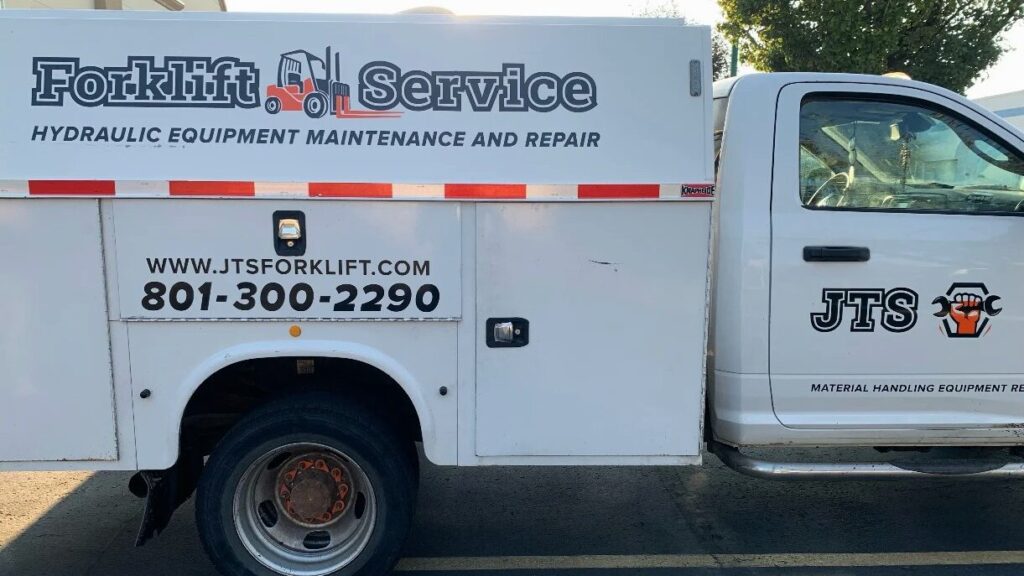
Forklift equipment issues rarely occur at a convenient time, and winter weather can make unexpected downtime even more challenging. That is exactly why JTS Forklift Service offers highly reliable mobile maintenance support to facilities across the state. Our mobile technicians provide expert on-site diagnostics in freezing conditions, bringing the repair shop directly to your loading dock.
This mobile approach guarantees much faster response times during urgent winter breakdowns. We focus on keeping your supply chain moving when severe weather threatens to slow it down. We also offer detailed preventive maintenance programs tailored to your local seasonal conditions. This proactive care drastically reduces unexpected downtime during your most critical operating hours. Professional Utah winter forklift maintenance simply works better with a dedicated partner.
You can view our complete service coverage on our service areas page. We pride ourselves on delivering trusted, no-nonsense technical support to every client. We encourage operations leaders to read our Google reviews to see exactly how we help businesses maintain reliability.
Keep Your Fleet Running This Winter
Preparing your fleet for freezing temperatures and high altitudes is a critical part of modern warehouse management. A highly proactive Utah winter forklift maintenance strategy protects your operators, prevents catastrophic equipment failures, and controls your annual repair budget. Cold weather and high elevation simply require you to adjust your maintenance strategies and stay vigilant throughout the season.
JTS Forklift Service serves as your dedicated partner for maintaining safe, highly efficient operations year-round. We deliver the technical expertise, specialized parts, and quick response you need to tackle tough seasonal challenges. Do not wait for a winter breakdown to disrupt your facility’s productivity. Contact JTS Forklift Service today to schedule your seasonal fleet inspection and secure your operational uptime.
GET IN TOUCH WITH JTS FORKLIFT SERVICE