Managing a warehouse during a Utah summer means dealing with heat that affects both your team and your equipment. When temperatures push into the high 90s outside, and indoor conditions in a non-climate-controlled facility climb well above that, the risk of heat-related illness increases, and forklifts operating in those conditions are under extra stress.
JTS Forklift Service supports Utah warehouse operations with mobile maintenance, emergency repair, and compliance inspections throughout the state.
Recognize the Heat Risk for Warehouse Workers
Warehouse work is physically demanding in any season. Add extreme heat, and the risk of heat exhaustion and heat stroke climbs quickly — especially for workers who are new to hot environments or returning after time away.
Heat exhaustion symptoms include heavy sweating, weakness, dizziness, nausea, and headache. Heat stroke is more serious and requires immediate medical attention — signs include confusion, hot dry skin, rapid pulse, and loss of consciousness. Forklift operators are at particular risk because they are seated and exposed to the heat radiating from the machine itself, on top of ambient warehouse temperatures.
Practical Cooling and Hydration Measures
Make sure cold water is accessible at multiple points throughout the warehouse, not just in the break room. Workers should be drinking water throughout their shift, not waiting until they feel thirsty.
Establish designated cool-down areas where workers can take short breaks. Adjust shift schedules when practical — heavy lifting and intensive forklift operations in outdoor staging areas are best handled during cooler parts of the day during peak summer heat.
[H2] Forklift Safety in Hot Environments
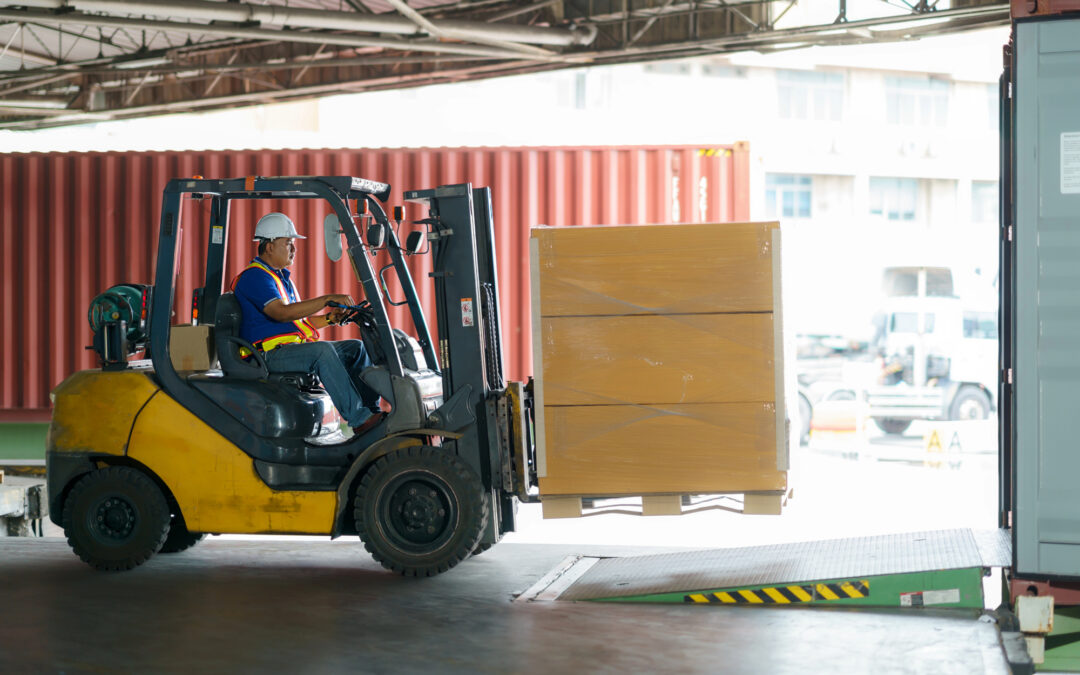
Heat affects operators and equipment simultaneously, which compounds the safety risk. Watch for operators who seem sluggish or are making atypical errors. These can be signs of heat-related impairment, not carelessness. Have a rotation protocol for long hot shifts, and take breaks seriously.
On the equipment side, heat accelerates wear on hydraulic seals, stresses electric forklift batteries, and can push internal combustion engines toward overheating. A forklift that is not properly maintained heading into summer is significantly more likely to fail during peak heat. For information on safety violations and compliance, see our page.
Forklift Inspections Matter More in Summer
Regular forklift inspections become even more important during the summer months. Pre-shift checks should include hydraulic fluid levels, cooling system fluid for propane and CNG units, tire condition, and battery charge status for electric models.
A forklift that is running hot, leaking fluid, or showing unusual performance should not continue working until it has been inspected. Pushing through a heat-related equipment issue during a busy summer shift is how a manageable maintenance problem becomes an emergency repair. JTS assists with OSHA compliance reviews throughout Utah.
Identify and Reduce Heat-Related Downtime
Track when equipment failures occur. If you notice a pattern of breakdowns during afternoon shifts in the hottest months, your preventive maintenance schedule may need to be adjusted for seasonal conditions. More frequent fluid checks, earlier filter replacements, and proactive battery service during summer can prevent mid-shift failures.
Communication and Training
Heat safety cannot be just a poster in the break room. Supervisors need to know how to recognize heat illness and be empowered to pull workers off the floor when symptoms appear. For forklift operators, training should include understanding the machine’s warning indicators when it is overheating.
For more on keeping equipment safe in Utah warehouse conditions, see our page. To schedule a pre-summer maintenance visit or discuss repair and service for your fleet, visit our page or call (801) 300-2290.
GET IN TOUCH WITH JTS FORKLIFT SERVICE