A forklift oil change looks like a small task on paper. Skip it a few times, and that small task turns into a repair bill nobody budgeted for. Delayed forklift oil changes Utah warehouses put off often lead to worn components, unplanned downtime, and repair costs that dwarf the price of routine service.
Fluids are the part of forklift maintenance that gets ignored the longest, mostly because problems build slowly and quietly. By the time a warehouse notices something is wrong, the damage is usually already done. Here’s what actually happens inside a forklift when fluid changes get pushed back too many times.
The Real Job Fluids Do Inside a Forklift
Fluids are not just there to keep parts wet. Each one carries away heat, reduces friction between metal surfaces, and traps contaminants before they cause damage. When a fluid breaks down, it stops doing all three jobs at once.
A forklift running on old, degraded fluid is not running on empty. It’s running on fluid that has lost its protective properties while still looking mostly normal. That gap between “looks fine” and “still working correctly” is where expensive damage happens.
Engine Oil Breakdown and What Happens When You Skip It
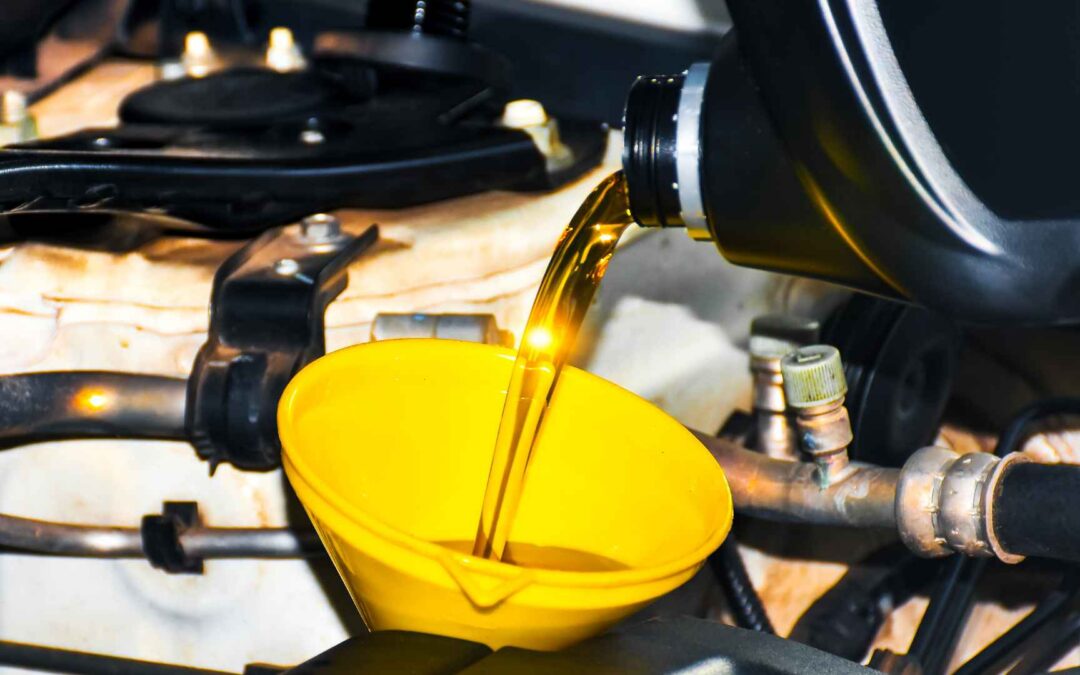
Combustion engines in propane and diesel forklifts generate heat and byproducts that engine oil is built to handle. Over time, that oil picks up soot, moisture, and acidic compounds from combustion.
Fresh oil suspends these particles and carries them to the filter. Old oil loses that ability, and particles start settling instead. That buildup shows up as sludge coating internal engine surfaces, which restricts oil flow to bearings and camshafts.
A few specific problems show up once engine oil goes too long between changes.
- Increased friction between moving parts, which accelerates wear on bearings
- Reduced oil pressure, since sludge clogs internal passages
- Oxidized oil that thickens and flows poorly when the engine is cold
- Buildup on valve components that reduces engine efficiency over time
None of these problems announce themselves right away. An engine can run for weeks or months on degraded oil before a bearing failure or overheating event forces a shutdown. At that point, the repair involves internal engine work instead of a simple fluid swap.
Hydraulic Oil Failures That Start With Old Fluid
Hydraulic oil does more than move fluid through the system. It lubricates pump components, cools the system, and protects seals from friction damage. When hydraulic oil breaks down, all of those functions weaken at once.
Old hydraulic oil oxidizes and picks up moisture, which reduces its lubricating properties. That reduction causes increased wear on pump internals and valve components. Contaminated oil also carries abrasive particles through the entire hydraulic circuit, scoring cylinder walls and damaging seals along the way.
This is one of the most expensive failure paths in forklift maintenance. A pump replacement or cylinder rebuild costs far more than routine oil changes ever would. Regular forklift fluid checks catch degraded hydraulic oil before it reaches that point.
Signs Hydraulic Oil Has Gone Too Long
Watching for early warning signs saves a lot of money down the line. A few indicators point directly to hydraulic fluid problems.
- Slower lift speed than normal, even with light loads
- Fluid that looks dark, cloudy, or has a burnt smell
- Jerky or inconsistent movement during lifting or lowering
- Visible foam in the hydraulic reservoir
Catching these signs early usually means a fluid change solves the problem. Catching them late usually means a component replacement is already unavoidable.
Transmission Fluid Gets Overlooked Until It’s Too Late
Transmission fluid handles cooling, lubrication, and hydraulic pressure for shifting components inside a forklift’s drivetrain. It works hard, and it breaks down faster than many operators expect.
Degraded transmission fluid loses its ability to maintain proper pressure for clutch engagement. That leads to slipping, delayed shifts, and increased heat inside the transmission housing. Heat is the real enemy here, since it accelerates fluid breakdown even further and creates a cycle that gets worse the longer it continues.
Once internal transmission components start wearing from old fluid, the repair is rarely simple. Clutch pack replacement or a full transmission rebuild involves labor-intensive work that a scheduled fluid change would have prevented entirely.
Coolant Neglect Leads to Overheating Damage
Coolant keeps engine temperatures stable and protects internal components from corrosion. Old coolant loses its corrosion inhibitors over time, which allows rust and scale to build up inside the cooling system.
That buildup restricts coolant flow through the radiator and engine block. Restricted flow means less effective cooling, which pushes engine temperatures higher during normal operation. In Utah’s summer heat, an engine already running hot has very little margin left before overheating becomes a real risk.
Overheating damage tends to hit expensive components first, including head gaskets and cylinder heads. A coolant flush costs a fraction of what that kind of repair runs.
Filters Are Doing More Work Than You Think
Filters and fluids work as a team, and neglecting one usually means neglecting the other. A clean filter allows fresh fluid to circulate properly, while a clogged filter forces fluid to bypass filtration entirely.
Oil filters trap metal particles and combustion byproducts before they circulate through the engine again. Hydraulic filters trap contamination that would otherwise scratch cylinder walls and damage seals. Air filters keep dust and debris out of the engine intake, which matters even more in Utah’s dustier outdoor job sites.
A clogged filter left in place long enough eventually gets bypassed by pressure relief valves built into the filtration system. That means unfiltered fluid starts circulating again, undoing the benefit of a fresh fluid change entirely.
What a Missed Fluid Interval Actually Costs
The cost difference between routine maintenance and reactive repair is not small. A fluid change takes a technician a short amount of time and uses inexpensive materials compared to component repair.
A few comparisons show how the math plays out over time.
- A scheduled oil change costs far less than an engine rebuild caused by sludge damage
- A hydraulic fluid change costs a fraction of a pump or cylinder replacement
- A coolant flush costs much less than repairing a head gasket damaged by overheating
- A transmission fluid change costs far less than a clutch pack replacement or rebuild
Beyond the repair bill itself, there’s the downtime to factor in. A fluid change takes a forklift out of service for a short window. A major component failure can take a machine out of service for days while parts are sourced and repairs are completed.
Building a Fluid Maintenance Schedule That Actually Works
Fluid intervals depend on operating hours, not the calendar. A forklift running three shifts a day needs fluid changes far more often than one running light duty a few hours a week.
A solid preventive maintenance program tracks actual hours on each unit and schedules fluid changes accordingly, rather than guessing based on time since the last service. JTS outlines specific interval guidance on its forklift maintenance schedule page, which breaks down recommended timing by fluid type and usage level.
Sticking to that kind of schedule is one of the simplest ways to avoid a much bigger repair bill later. If a forklift is already showing signs of fluid-related wear, getting ahead of it through forklift repair service before a full failure happens saves both time and money.
Fluids might be the least exciting part of forklift maintenance, but they are also the part with the biggest gap between doing it right and letting it slide. A quick check on your current schedule through JTS Forklift Service is a reasonable place to start.